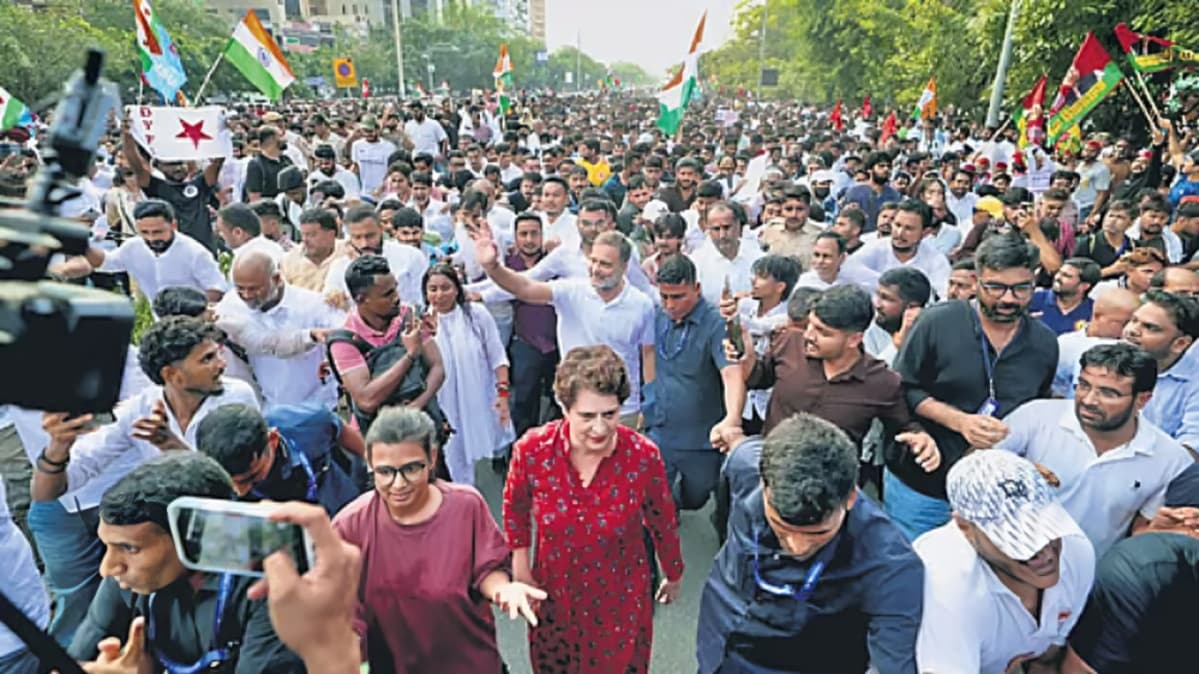
Rahul Gandhi Renews Chalo Dilli Call for November 1 Protest in Delhi
Congress leader Rahul Gandhi has renewed his appeal to citizens and students to participate in the Chalo Dilli protest march scheduled for November 1 in Delhi. The proposed demonstration aims to raise concerns over alleged voter irregularities and underline the importance of protecting India's democracy and Constitution.
Gandhi has described the planned protest as a movement that extends beyond the interests of any single political party. According to his appeal, citizens who are concerned about democratic institutions and the integrity of the electoral process should come together to express their views.
The Congress leader has encouraged people from different sections of society to take part in the march. He has also urged potential participants not to be discouraged by the possibility of police action during the demonstration.
Focus on Alleged Voter Irregularities
The planned protest is centred on allegations of irregularities in the electoral process. Rahul Gandhi and the Congress have repeatedly raised concerns about voter-related issues and the need to protect the integrity of elections.
Through the November 1 march, the party intends to bring these concerns before the public and call for greater attention to electoral transparency and democratic accountability.
However, allegations of voter irregularities must be distinguished from independently established findings. The specific claims, supporting evidence and responses from the relevant authorities would need to be examined separately to determine their accuracy.
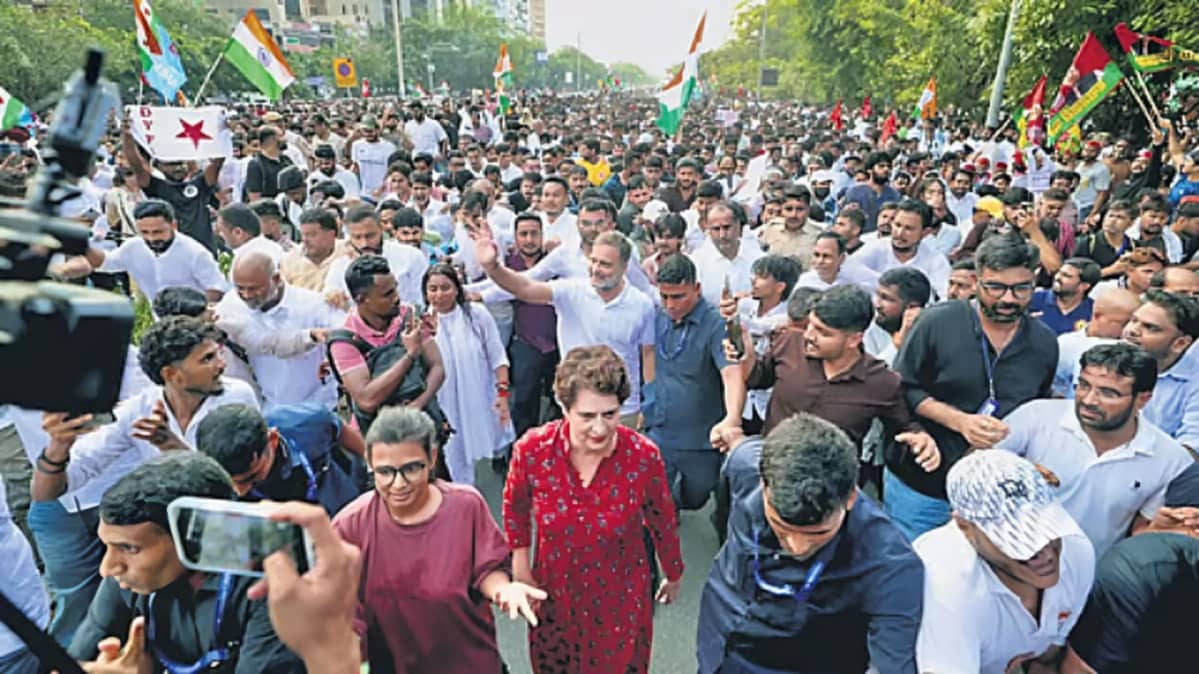
The proposed demonstration is expected to provide a platform for Congress leaders, party workers, students and other participants to express their concerns. The scale of participation and the issues raised during the march may influence the political discussion surrounding electoral processes.
Gandhi Calls for Participation Beyond Party Lines
In his appeal, Gandhi has stressed that the campaign is not limited to Congress supporters. He has urged citizens who are concerned about democracy and constitutional principles to participate, regardless of their political affiliations.
The message seeks to present the protest as a broader civic movement rather than a demonstration focused exclusively on party interests.
By reaching out to students and members of the public, Gandhi is attempting to expand participation in the campaign. Students and young voters are an important audience in discussions about electoral participation, political accountability and democratic rights.
The Congress leader's appeal also highlights the role of peaceful public demonstrations in bringing political concerns into the public domain. Such gatherings can provide opportunities for citizens to express their views, provided that participants follow applicable laws and public safety instructions.
Constitution and Democracy at the Centre of the Campaign
Gandhi has described the proposed march as an effort to protect the soul of India, linking the campaign to the country's democratic traditions and constitutional principles.
The Constitution establishes the framework for India's democratic institutions and protects fundamental rights. Electoral participation, transparent procedures and accountability are important elements of the country's representative system.
The Congress has positioned the proposed march within this wider debate about democratic safeguards. Its stated objective is to draw attention to concerns surrounding elections and encourage public engagement with questions of electoral integrity.
The protest is therefore expected to have both political and constitutional themes. Its organisers are seeking to bring together people who share concerns about the functioning of democratic institutions, while the specific demands and developments associated with the march will become clearer as further details emerge.
Appeal Not to Fear Possible Police Action
Gandhi has also urged prospective participants not to be intimidated by the possibility of police action during the demonstration. His appeal is intended to encourage people to take part despite concerns about potential restrictions or law enforcement measures.
The arrangements for public demonstrations in Delhi may depend on permissions, security requirements and instructions issued by the relevant authorities. Participants should follow lawful directions, remain peaceful and avoid actions that could endanger others.
Any restrictions, detentions or other police measures relating to the event would need to be assessed on the basis of confirmed information from the authorities and other reliable accounts.
Political Significance of the November 1 March
The Chalo Dilli call comes amid a wider political debate over electoral transparency and the responsibilities of democratic institutions. For the Congress, the planned protest offers an opportunity to mobilise supporters and draw public attention to its concerns about the electoral process.
The response from citizens, students and other political groups could shape the public discussion surrounding the demonstration. The march may also lead to further exchanges between the Congress and its political opponents over the allegations raised by the party.
At this stage, the event's outcome will depend on participation, the demands presented by organisers and any developments during the demonstration.
Rahul Gandhi has renewed his appeal for the November 1 march, urging citizens to join what he describes as an effort to protect democracy and the Constitution. The Congress is seeking broad participation, while the allegations concerning voter irregularities remain issues that should be evaluated against verified evidence and official responses.