Communist Party of India MP Sandosh Kumar P has written to Rajya Sabha Chairman CP Radhakrishnan, seeking clarity regarding the dates of the upcoming Winter Session of Parliament.
The CPI leader questioned the delay in announcing the parliamentary calendar and raised concerns about the uncertainty surrounding the commencement of the session.
The development follows similar concerns expressed by Congress regarding the announcement of the parliamentary schedule. Opposition parties have drawn attention to the importance of timely communication about parliamentary sessions.
The issue has renewed discussions about legislative planning, parliamentary accountability and the responsibilities of elected representatives in addressing matters of national importance.
Sandosh Kumar Writes to Rajya Sabha Chairman
In his communication to Rajya Sabha Chairman CP Radhakrishnan, Sandosh Kumar P sought information regarding the schedule of the Winter Session.
The CPI MP questioned why the dates had not been announced and requested clarity regarding the parliamentary calendar.
Timely information about parliamentary sessions enables members to organise their schedules, prepare questions, examine proposed legislation and identify important matters requiring discussion.
Advance notice also helps parliamentary parties coordinate their legislative priorities and prepare for debates on issues affecting different sections of society.
The complete contents of the letter and any official response from the Rajya Sabha Chairman would provide further clarity regarding the concerns raised by the CPI MP.
Congress Raises Similar Concerns
The CPI intervention comes after Congress raised concerns regarding the delay in announcing the Winter Session schedule.
Opposition parties have highlighted the importance of regular parliamentary proceedings in facilitating discussions on government policies, legislative proposals and public concerns.
Parliament provides elected representatives with an opportunity to question government decisions, examine policy implementation and participate in discussions on national developments.
Uncertainty surrounding the session dates may affect the preparation of parliamentary business and the coordination of legislative activities.
The concerns raised by Congress and the CPI have brought additional political attention to the announcement of the Winter Session calendar.
Importance of the Parliament Winter Session
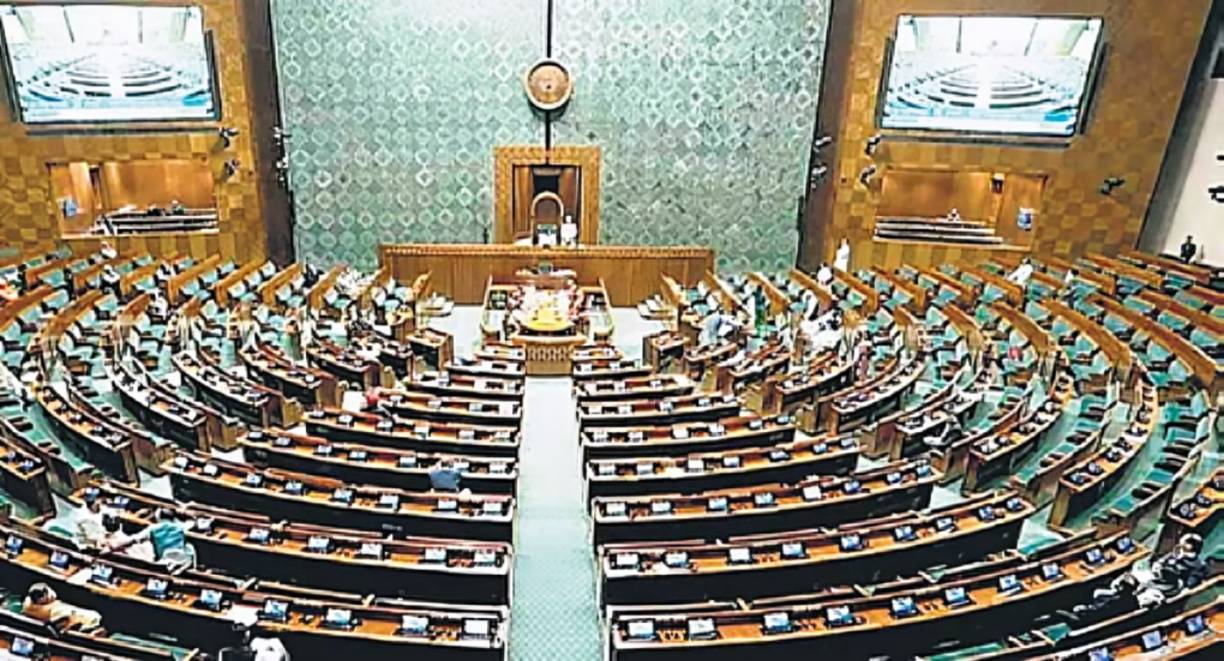
The Winter Session is one of the regular parliamentary sessions conducted in India. Parliament generally meets during the Budget Session, Monsoon Session and Winter Session.
The Winter Session usually takes place during November and December, although its exact dates and duration may vary depending on the legislative requirements and decisions of the government.
During parliamentary sessions, members of the Lok Sabha and Rajya Sabha participate in debates, discuss legislative proposals, raise questions and examine matters of public importance.
The government may also introduce new bills, seek parliamentary approval for financial matters and present policy statements during the session.
The Winter Session therefore provides an important platform for legislative discussions and democratic accountability.
Constitutional Provisions Governing Parliamentary Sessions
Article 85 of the Constitution of India deals with the summoning, prorogation and dissolution of Parliament.
Under this constitutional provision, the President summons each House of Parliament to meet at a time and place considered appropriate.
The Constitution also specifies that no more than six months shall intervene between the last sitting of Parliament in one session and the first sitting of the following session.
The government generally determines the proposed parliamentary schedule, with the formal summoning of Parliament undertaken by the President.
Although the Constitution establishes requirements regarding the interval between sessions, it does not prescribe fixed annual dates for the Winter Session.
The delay in announcing a session does not automatically establish a constitutional violation. Such an assessment would depend on the relevant dates and constitutional requirements.
Role of the Rajya Sabha Chairman
The Chairman of the Rajya Sabha is responsible for presiding over the proceedings of the Upper House and ensuring that parliamentary business is conducted in accordance with established rules and procedures.
The Vice President of India serves as the Chairman of the Rajya Sabha under the constitutional framework.
The Chairman plays an important role in maintaining parliamentary discipline, facilitating discussions and addressing procedural matters during sessions.
However, the formal summoning of Parliament is a separate constitutional process involving the President and the government.
The letter from Sandosh Kumar P seeks clarity through the office of the Rajya Sabha Chairman regarding the parliamentary schedule.
Need for Advance Parliamentary Planning
Advance announcement of parliamentary session dates can help elected representatives prepare effectively for legislative proceedings.
Members of Parliament often require time to study proposed legislation, examine government policies and gather information regarding matters affecting their constituencies and states.
Parliamentary questions, notices and other procedural submissions are also subject to applicable rules and deadlines.
A clearly communicated schedule can assist lawmakers in planning these activities and coordinating with parliamentary officials.
Government ministries and departments also need sufficient preparation time to respond to parliamentary questions and present legislative proposals.
Effective scheduling can therefore contribute to the orderly functioning of parliamentary institutions.
Parliamentary Accountability and Public Interest
Parliament serves as a central institution for democratic accountability in India. Through parliamentary debates and discussions, elected representatives can examine government policies and raise issues affecting citizens.
Question Hour provides members with opportunities to seek information from government ministries, while other parliamentary procedures allow discussions on matters of public importance.
Regular parliamentary proceedings also enable scrutiny of public expenditure, administrative decisions and legislative proposals.
The concerns expressed by opposition parties regarding the Winter Session schedule reflect the broader importance of ensuring effective parliamentary functioning.
However, the reasons for the reported delay would require clarification from the concerned government authorities.
Focus on the Legislative Agenda
The announcement of the Winter Session dates will provide greater clarity regarding the parliamentary calendar and the expected legislative business.
Political parties may use the session to raise concerns relating to economic conditions, employment, agriculture, public welfare, governance and other national issues.
The specific matters scheduled for discussion will depend on the official parliamentary agenda, notices submitted by members and decisions taken under established parliamentary procedures.
Until the agenda is released, the number of bills and major policy discussions expected during the session cannot be confirmed.
Awaiting Official Announcement on Winter Session
The communication from CPI MP Sandosh Kumar P has renewed attention to the uncertainty surrounding the Parliament Winter Session schedule.
Following concerns raised by Congress, the CPI has also sought clarity regarding the announcement of session dates.
An official communication from the concerned authorities would help address the questions raised by opposition leaders and enable lawmakers to prepare for parliamentary proceedings.
The government response, confirmed session dates and legislative agenda will be important in determining the next stage of parliamentary preparations.