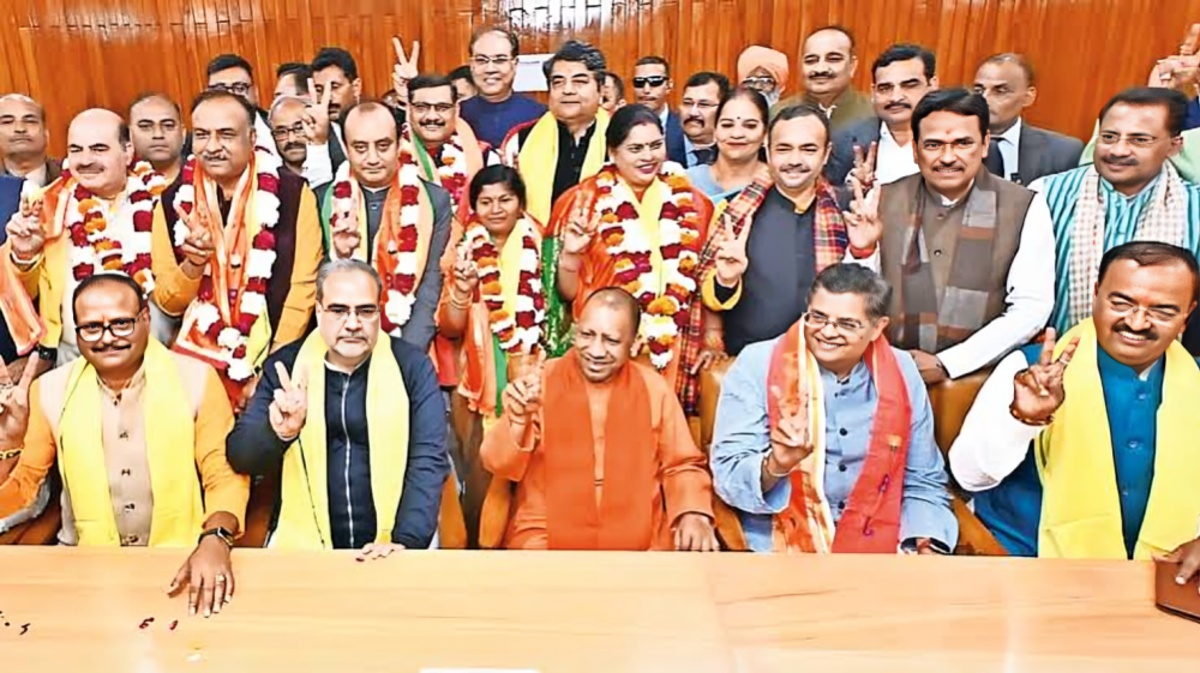
The Bharatiya Janata Party is set to complete the nomination process for its eight candidates contesting the upcoming Rajya Sabha elections from Uttar Pradesh. The candidates are scheduled to file their nomination papers at the Vidhan Bhavan in Lucknow on October 6.
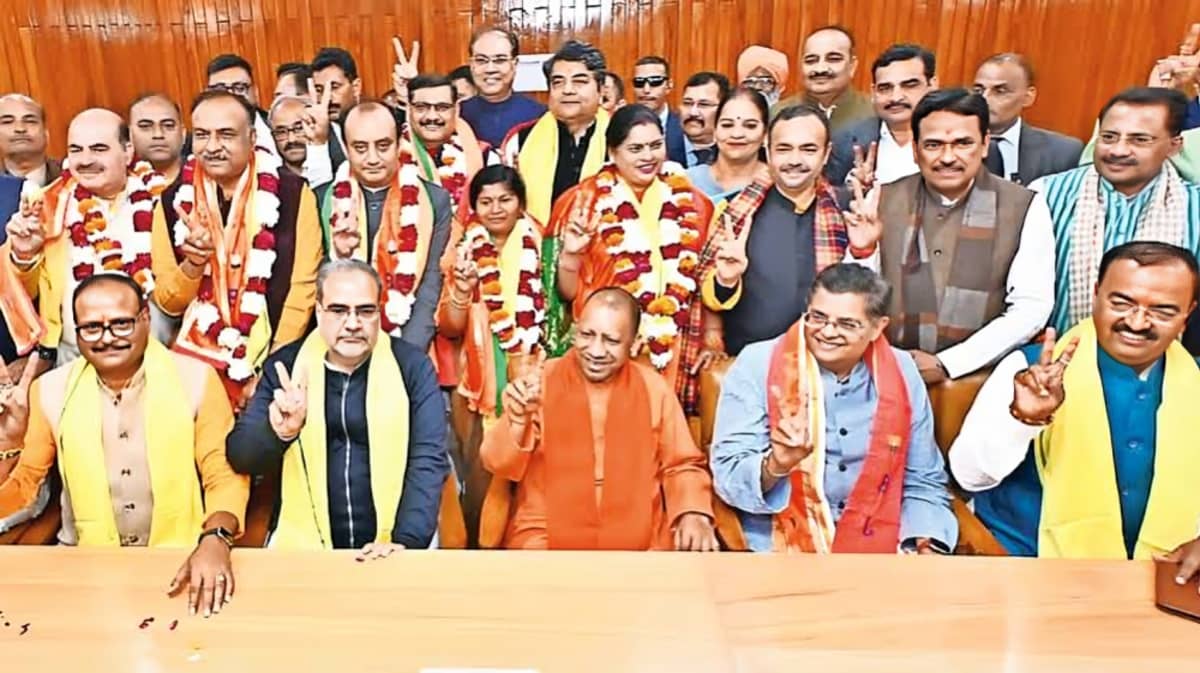
Uttar Pradesh Chief Minister Yogi Adityanath, BJP state president Pankaj Chaudhary, Deputy Chief Ministers Keshav Prasad Maurya and Brajesh Pathak, along with senior ministers of the state government, are expected to be present during the nomination process. Before filing their papers, the candidates are also scheduled to be formally felicitated at the BJP state headquarters in Lucknow.
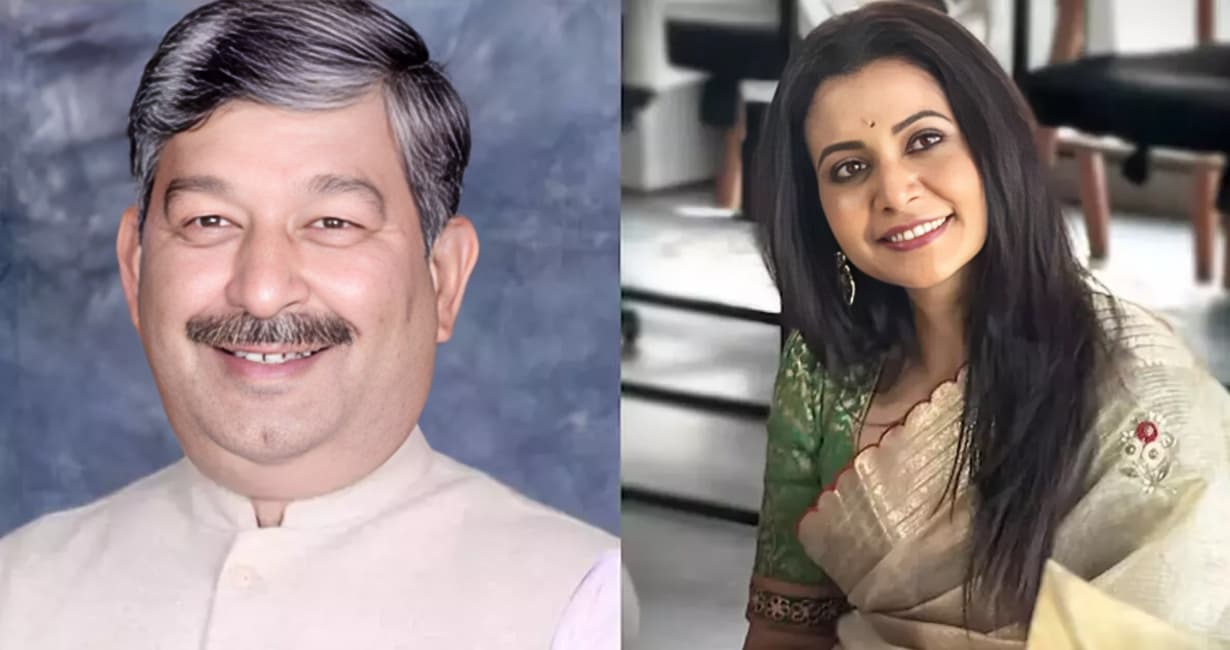
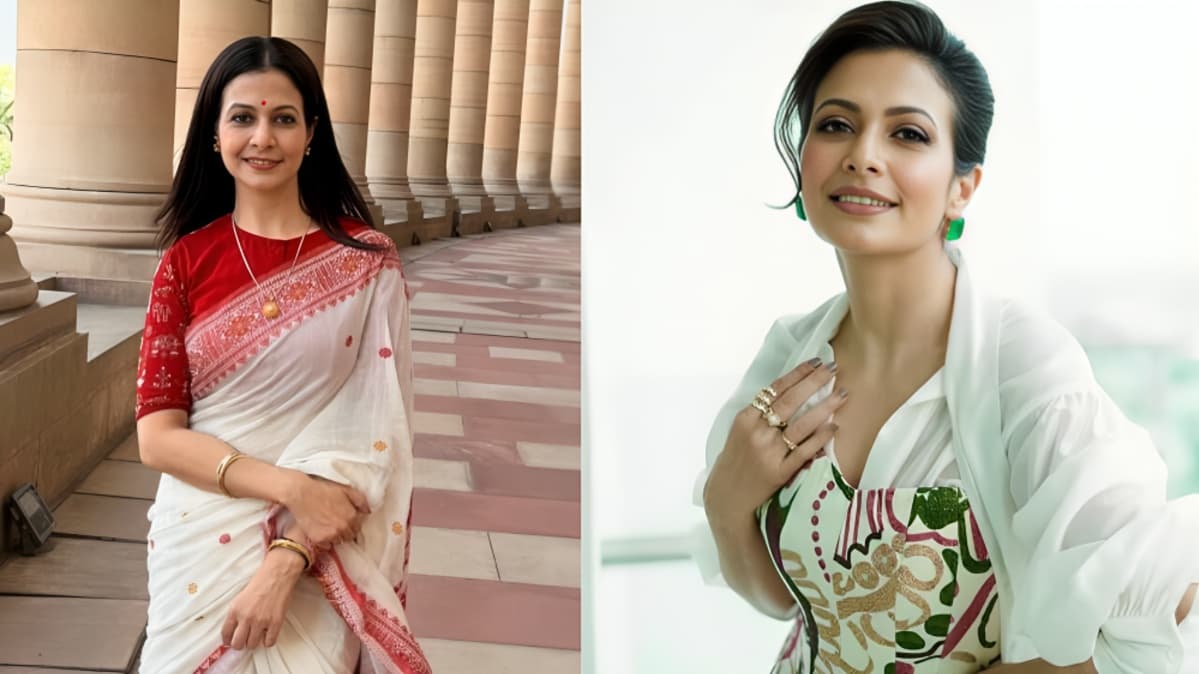
The BJP announced its list of eight candidates on October 5 for the 10 Rajya Sabha seats from Uttar Pradesh that are becoming vacant. The party has selected Dharampal Singh, Radhakant Ojha, Prakash Pal, Vidyasagar Sonkar, Gopi Krishna Pandey, Priyanka Singh Rawat, Ram Pratap Singh Chauhan and Shruti Gangwar.
The candidate selection has attracted attention because the BJP has opted for a combination of organisational leaders, state-level political figures and representatives from different social and regional backgrounds. Reports indicate that the list includes three candidates from the Other Backward Classes, two Scheduled Caste candidates and three candidates from the general category. Two of the eight nominees are women.
The BJP’s selection is also being viewed in the context of the 2027 Uttar Pradesh Assembly elections. Political parties in the state have already begun preparing their strategies for the next Assembly contest, and representation of different communities and regions remains an important factor in Uttar Pradesh politics.
Among the BJP nominees, Dharampal Singh is a senior state leader and minister in the Yogi Adityanath government. Radhakant Ojha is a senior advocate, while Prakash Pal is associated with the BJP’s Other Backward Classes organisation in Uttar Pradesh. Vidyasagar Sonkar is a former parliamentarian, and Gopi Krishna Pandey has organisational experience within the party.
Priyanka Singh Rawat, a former Lok Sabha member, is also among the nominees. Ram Pratap Singh Chauhan and Shruti Gangwar complete the BJP’s eight-member list. The selection includes two women candidates and reflects an attempt to maintain representation across different sections of the state.
The BJP has also decided not to renominate several outgoing members from Uttar Pradesh. Union ministers Hardeep Singh Puri and B L Verma are among the prominent leaders who have not been included in the new list. Other outgoing BJP members have also not received renomination. The decision has led to considerable political discussion about the party’s strategy for the Upper House and its broader organisational plans.
The Rajya Sabha election in Uttar Pradesh is particularly significant because 10 seats from the state are scheduled to go to polls. The Election Commission has fixed October 6 as the final date for filing nominations. The nomination papers will be scrutinised on October 7, while candidates can withdraw their nominations until October 9.
Polling is scheduled for October 16 from 9 am to 4 pm, with counting taking place on the same day. The election will be conducted through voting by members of the Uttar Pradesh Legislative Assembly.
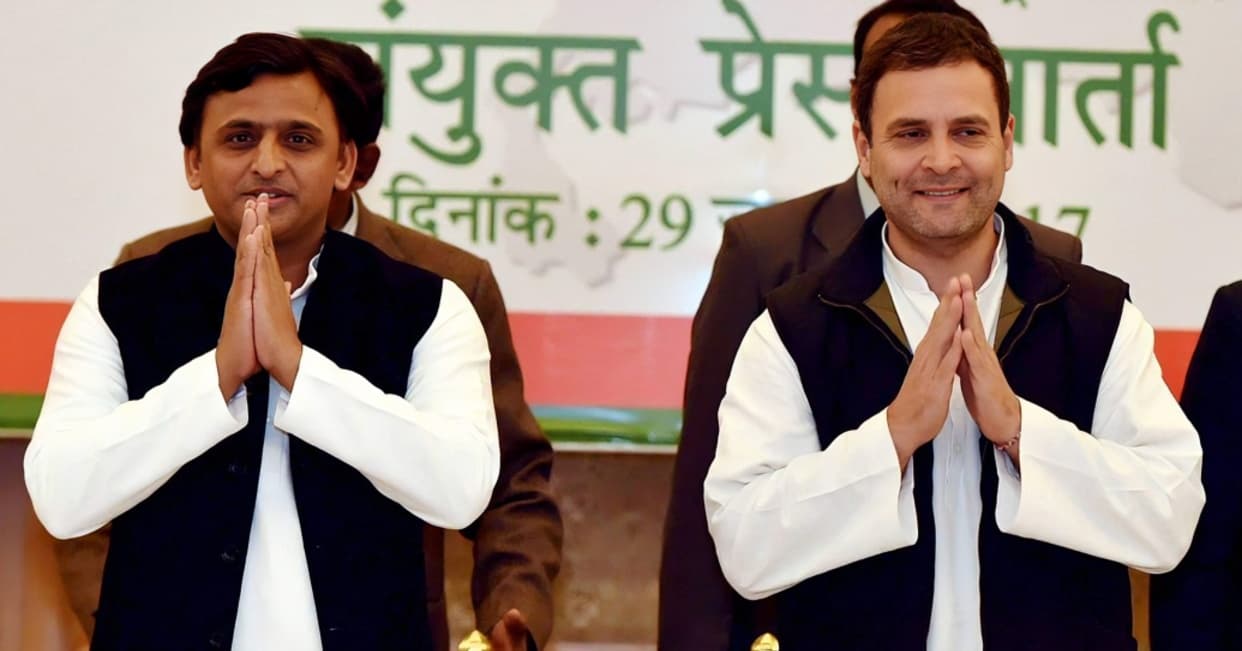
The Samajwadi Party has also announced two candidates for the Rajya Sabha election from Uttar Pradesh. The party has nominated senior leader Ram Gopal Yadav and Dhanraj Parimal Nathwani. Both candidates have filed their nomination papers, while Akhilesh Yadav has subsequently said that the party will not field a third candidate.
With the BJP fielding eight candidates for 10 available seats and the Samajwadi Party fielding two, the nomination process has become an important political development in Uttar Pradesh. The BJP’s candidate selection is being closely watched not only in connection with the Rajya Sabha election but also because of its possible implications for the 2027 Assembly elections.
The presence of Chief Minister Yogi Adityanath and the two Deputy Chief Ministers during the nomination process is expected to underline the importance the BJP attaches to the election. The party is simultaneously preparing its political organisation for the next major electoral contest in Uttar Pradesh.
The Rajya Sabha election process will move forward with scrutiny and withdrawal procedures after the nominations are filed. The final outcome will be determined through voting on October 16 if a contest is required.
Overall, the BJP’s eight-member list combines experienced political leaders, organisational representatives and candidates from different social groups. The nominations are therefore being viewed as part of both the immediate Rajya Sabha election strategy and the party’s broader preparations for the upcoming Uttar Pradesh Assembly elections.