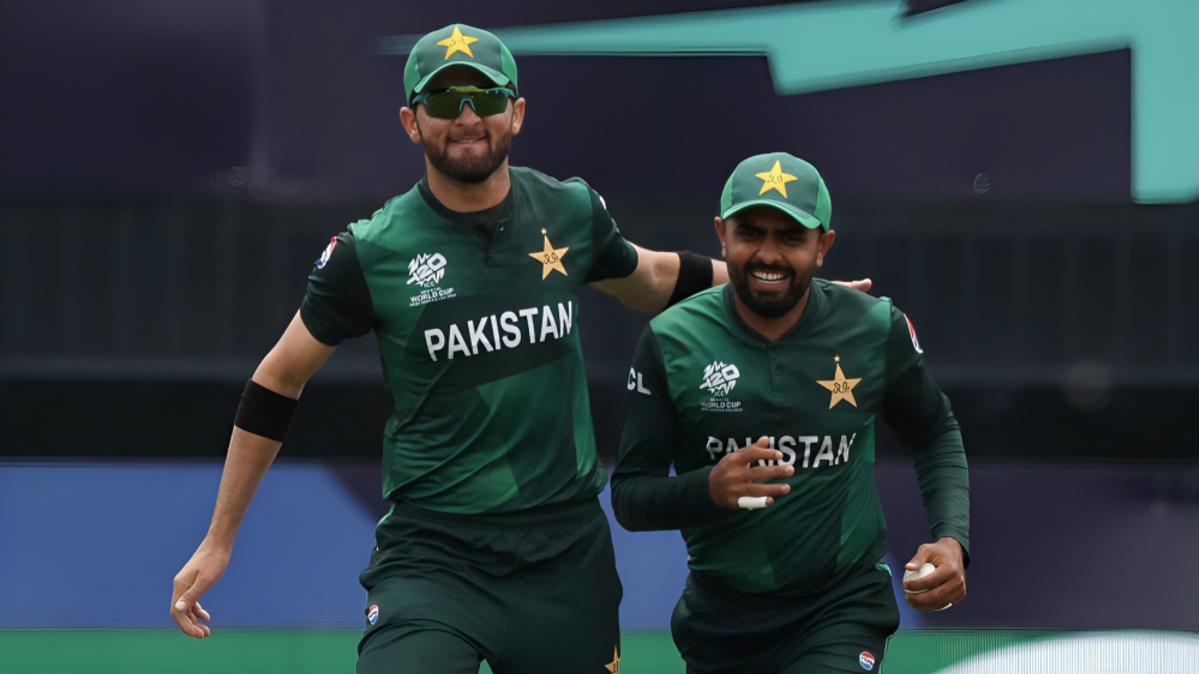
Pakistan cricket has once again come under intense scrutiny following a disappointing Test series in England, with former Pakistan batter Basit Ali making strong claims about the team's internal problems.
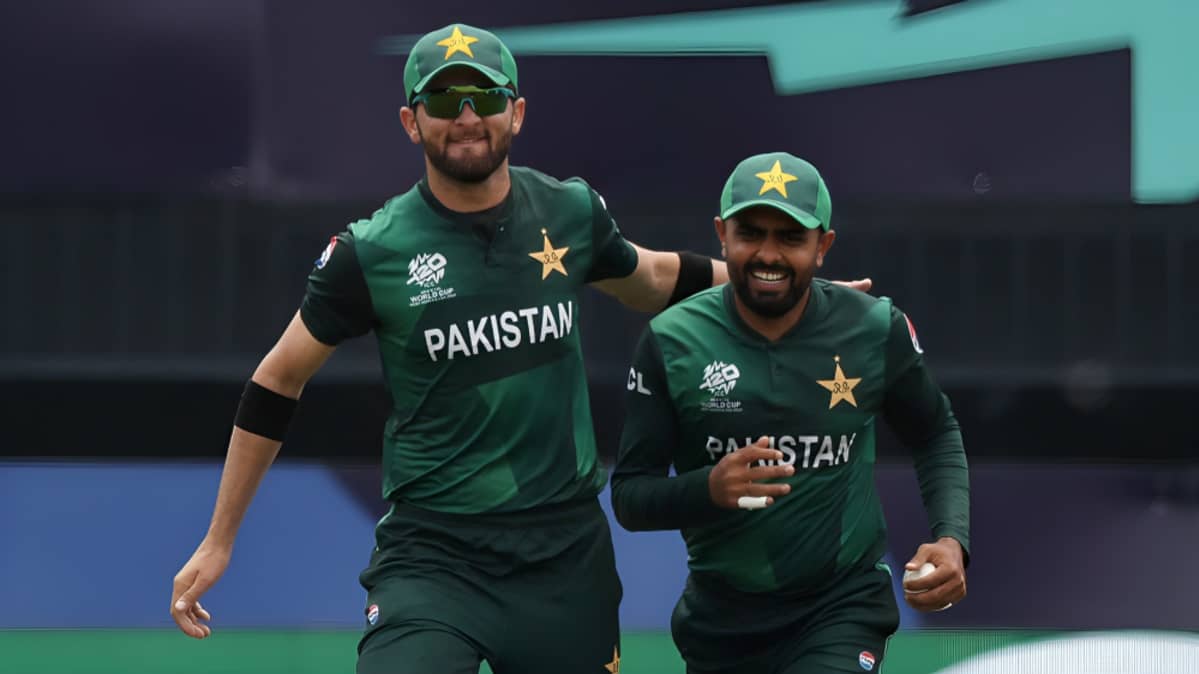
Basit Ali has attributed a significant part of Pakistan's recent decline to an alleged rift between senior players Babar Azam and Shaheen Shah Afridi. According to the former cricketer, disagreements surrounding the captaincy created tension between the two players and had a damaging effect on the national team's overall environment.
Basit's comments were made after Pakistan suffered a heavy 194 run defeat against England in the second Test at Lord's. The result gave England an unassailable 2 0 lead in the three match series. Pakistan had already suffered a heavy defeat in the opening Test, adding to concerns about the team's performance and leadership.
Basit criticised Babar's leadership and argued that the problems facing Pakistan cricket go beyond the team's recent results. He claimed that the reported disagreement between Babar and Shaheen over captaincy was a major turning point for the national side.
The former Pakistan batter said the fallout between the two senior players created consequences that could still be seen in the team's performances. His remarks have added another layer to the ongoing debate about Pakistan's leadership structure and team management.
The leadership situation in Pakistan cricket has changed several times in recent years. Babar stepped down as Pakistan's captain after the 2023 ODI World Cup. Shaheen Shah Afridi was subsequently given the T20I captaincy.
However, Pakistan's results under Shaheen were not as expected. Following a disappointing tour of New Zealand, Babar returned to the T20I leadership role, while Shaheen lost the captaincy.
Pakistan later made further leadership changes after the team's performance at the 2024 T20 World Cup. The frequent changes created uncertainty around the national team's leadership structure.
At present, Pakistan has used different captains across formats. Babar has been associated with the Test leadership role, Shaheen has handled ODI captaincy, while Salman Ali Agha has led the T20I side. The changing leadership arrangements have been accompanied by changes in coaching staff and player selections.
Basit Ali's comments have therefore attracted attention because they connect the leadership changes with the broader problems facing Pakistan cricket.
However, the claim about a rift between Babar and Shaheen remains an allegation made by Basit Ali. There has been no official confirmation from the Pakistan Cricket Board that an internal dispute between the two players directly caused the team's decline.
Pakistan's recent results have nevertheless increased pressure on the players and management.
During the England series, Pakistan struggled significantly with the bat. The team failed to score more than 200 runs in any innings during the first two Tests, while England won both matches convincingly. At Lord's, Pakistan were defeated by 194 runs, despite Saud Shakeel producing a fighting 97 in the match.
The defeat resulted in immediate changes within the Pakistan setup.
The Pakistan Cricket Board removed head coach Sarfaraz Ahmed from his position and brought white ball coach Mike Hesson into the Test setup for the third match. Bowling coach Umar Gul was also removed, while several players were sent home.
Seven players were released from the squad ahead of the third Test. The group included former captains Mohammad Rizwan and Salman Ali Agha, opener Imam ul Haq, Ali Usman, Aamer Jamal, Awais Zafar and Khurram Shahzad. Several younger players were brought into the squad as replacements.
These changes demonstrate the seriousness of the situation within Pakistan cricket.
The team has faced criticism not only for its results but also for its batting consistency, fielding and overall approach. The defeat at Lord's further increased pressure on the leadership.
Babar Azam's own performances have also attracted scrutiny.
The Pakistan batter returned to the Test team after missing the opening match of the England series because of a finger injury. He had been among Pakistan's better performers during the recent West Indies series, but his return to the England Test side did not immediately solve the team's batting problems.
Babar has also faced criticism over his captaincy decisions.
Basit Ali specifically questioned Babar's leadership ability and said that his assessment was not based solely on the recent England series. He argued that several decisions made during Babar's leadership period contributed to Pakistan's difficulties.
Shaheen Shah Afridi's situation has also changed considerably.
The left arm fast bowler was once regarded as one of Pakistan's most important leaders and was given the T20I captaincy after Babar's resignation. However, the leadership role was later returned to Babar following Pakistan's poor results.
Shaheen is now primarily associated with the white ball setup and has not been included in Pakistan's current red ball plans for the England Test series.
The repeated changes have raised questions about the stability of Pakistan cricket's long term planning.
Leadership transitions are common in international sport, but frequent changes involving the same group of senior players can create uncertainty over roles and responsibilities.
Pakistan's situation has become particularly complicated because several experienced players have been involved in leadership positions over a relatively short period.
Babar, Shaheen, Mohammad Rizwan and Shan Masood have all been part of Pakistan's changing captaincy structure in recent years.
Basit Ali believes the dispute between Babar and Shaheen over leadership was particularly damaging. His assessment, however, remains his personal opinion and should be viewed in that context.
The Pakistan Cricket Board has not officially stated that a disagreement between the two players caused the national team's decline.
The team's current difficulties also have several other possible explanations, including inconsistent batting, changes in coaching personnel, player selection issues and fluctuating performances across formats.
Pakistan will now attempt to avoid a series whitewash when it faces England in the third and final Test.
The match is scheduled to begin on September 9 in Birmingham. Mike Hesson will take charge of the Test side after replacing Sarfaraz Ahmed, while Ashley Noffke has joined the coaching setup following the departure of Umar Gul.
The third Test will therefore be important for more than just the result.
It will provide Pakistan's new-look squad with an opportunity to respond after two heavy defeats. Several younger players have been brought into the group, giving the team an opportunity to begin rebuilding.
For Babar Azam, the match will also be an important test of his leadership.
The captain will be expected to guide a significantly changed squad while also contributing with the bat. Pakistan will need greater consistency from its top order if it is to challenge England.
The wider debate surrounding Babar and Shaheen is likely to continue regardless of the result.
Both players remain important figures in Pakistan cricket, and their performances will be closely monitored as the team moves into a new phase.
The current controversy also highlights the importance of stable leadership within an international cricket team.
Pakistan has produced many talented players, but converting individual ability into consistent team success has remained a major challenge.
The reported Babar Shaheen dispute is now being discussed alongside those wider structural concerns.
For supporters, the immediate priority will be seeing the national team recover from its disappointing England campaign.
Whether Pakistan can rebuild successfully will depend on several factors, including leadership, player form, coaching decisions and team unity.
Basit Ali's comments have intensified the conversation, but they do not by themselves establish the cause of Pakistan's decline.
The national team will ultimately have to answer those questions through performances on the field.
For now, Pakistan faces a difficult rebuilding period after losing the England Test series 2 0.
The changes made by the PCB ahead of the final Test suggest that the board is already attempting a major reset.
The result of that reset will be closely watched when the teams meet in Birmingham.
The Babar Azam and Shaheen Shah Afridi story may continue to generate headlines, but Pakistan's larger challenge is to establish stability and restore consistent performances across international cricket.