
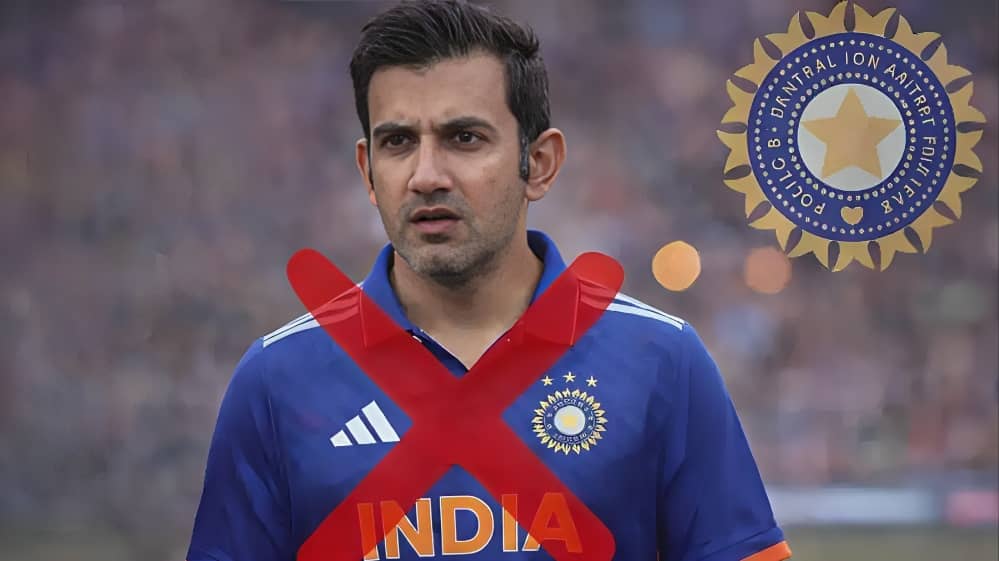
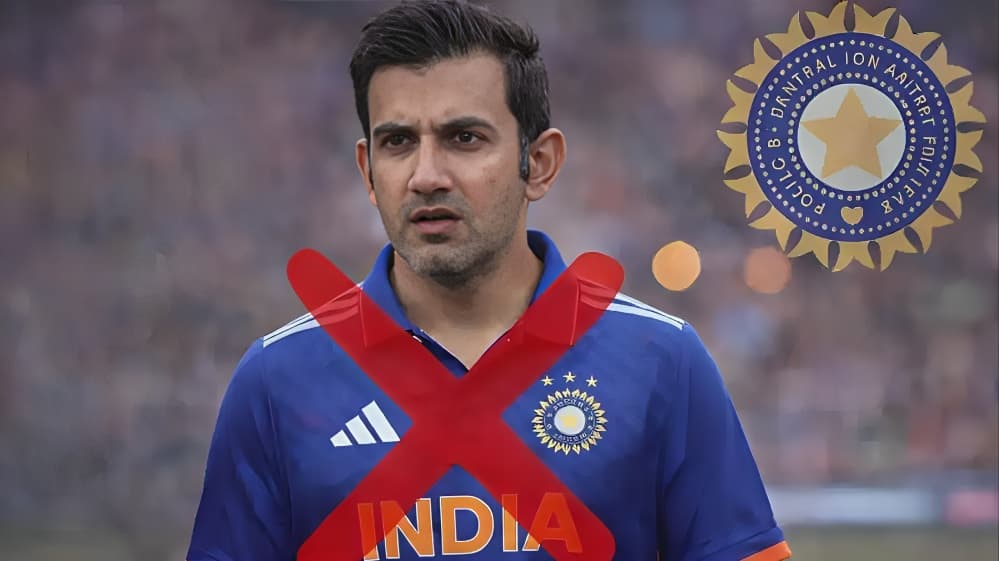
Former Indian cricketer Manoj Tiwary has sparked debate over the future of India’s head coach Gautam Gambhir, stating that the Board of Control for Cricket in India may be forced to review his position if the team does not succeed in defending its T20 World Cup title. Tiwary’s remarks come at a time when India’s performances across formats have drawn mixed reactions from fans and experts.
Gautam Gambhir took over as head coach with a strong reputation built on his leadership experience and aggressive approach to the game. Since his appointment, India have enjoyed considerable success in T20 bilateral series, remaining unbeaten and displaying a confident brand of cricket. This record has been cited as a positive sign of Gambhir’s impact, particularly in the shortest format where India are the reigning world champions.
However, India’s results in other formats have been less convincing. The team has struggled to maintain consistency in Test cricket and One Day Internationals, leading to questions about adaptability, team selection, and long term planning. According to Tiwary, success in one format alone may not be enough to secure the coach’s position, especially given the high expectations associated with Indian cricket.
In his assessment, Tiwary emphasised that the T20 World Cup holds particular importance because it represents India’s strongest format under the current coaching setup. He suggested that failure to defend the title could prompt the BCCI to reassess whether the coaching strategy is delivering results at the highest level. His comments reflect a broader sentiment that major ICC tournaments often play a decisive role in determining the future of coaching staff.
The BCCI has historically placed significant weight on performances in global events. Coaches and support staff are often evaluated based on results in World Cups rather than bilateral series alone. While unbeaten runs in bilateral contests demonstrate preparation and depth, they are ultimately seen as stepping stones toward success in marquee tournaments.
Supporters of Gambhir argue that he deserves more time to implement his vision, especially given the transitional phase the team is undergoing with several young players being integrated into the squad. They point out that building consistency across formats takes time and that early success in T20 cricket indicates progress.
Critics, however, believe that India’s struggles in Tests and ODIs cannot be overlooked. They argue that a balanced approach across formats is essential and that coaching decisions must address broader performance issues rather than focusing on a single format.
As the T20 World Cup approaches, pressure is expected to mount on both the players and the coaching staff. Gambhir’s future, as suggested by Tiwary, may ultimately depend on how India performs on the biggest stage. Until then, the debate highlights the intense scrutiny that comes with leading one of the most followed teams in world cricket.


