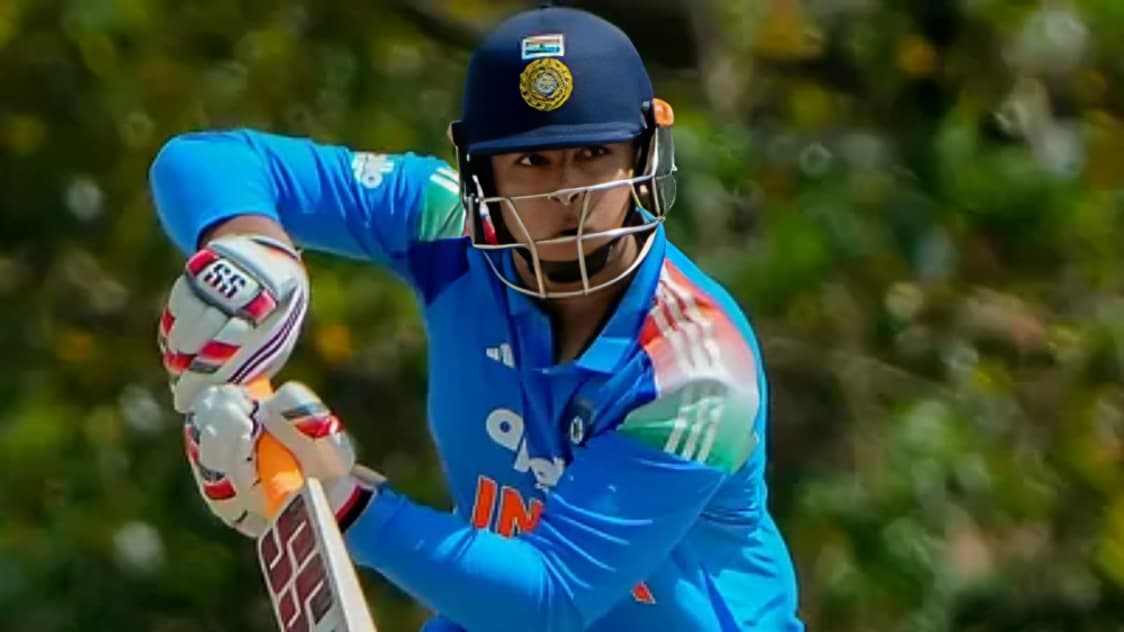
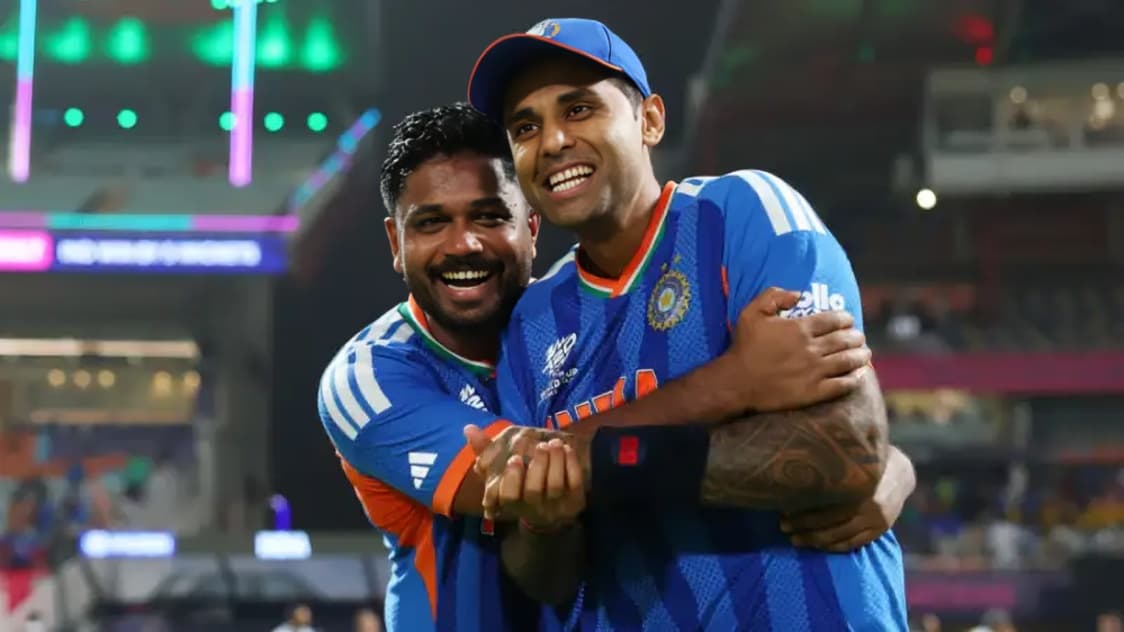
Following a significant defeat for India in an international cricket match, the co-owner of the Delhi Capitals voiced his dissatisfaction in a strong public statement, calling on the Board of Control for Cricket in India (BCCI) to consider sacking the head coach. The comments have sparked widespread discussion among fans, analysts, and former cricketers regarding coaching responsibilities and team performance.
The co-owner criticised the team’s preparation and strategy, suggesting that tactical errors and lack of effective planning contributed to the defeat. He highlighted perceived shortcomings in player management, selection, and execution, asserting that the loss reflects poorly on the coaching staff. His statements emphasized the importance of accountability in national cricket, particularly during high-stakes international competitions.
Cricket analysts have weighed in on the situation, noting that while public criticism is not uncommon in India’s passionate cricket culture, the intensity of the co-owner’s remarks is notable. Many argue that coaching in international cricket is a complex task involving numerous variables, including player form, opposition analysis, and on-field decision-making. Nonetheless, such critiques often prompt internal reviews within the BCCI and the team management.
The controversy has reignited debates about performance standards in Indian cricket. Fans on social media expressed mixed reactions, with some supporting the co-owner’s call for accountability, while others emphasised that single-match results should not define a coach’s tenure. Former players noted that while coaching strategies can be questioned, long-term planning, player development, and consistency are also essential factors in evaluating a coaching performance.
The Delhi Capitals co-owner’s comments also highlight the pressures on cricket administrators and stakeholders in Indian cricket. With the team enjoying massive support and high expectations, public scrutiny of coaching decisions has become intense, particularly following significant losses. Coaches are often tasked with balancing strategic choices, player morale, and media attention, making their roles highly demanding and subject to criticism.
BCCI officials have yet to respond officially to the co-owner’s remarks, but cricketing circles anticipate internal discussions about the performance review process and potential measures to ensure future success. Such debates underscore the importance of transparency, evaluation, and communication within the cricketing hierarchy to maintain public trust and team effectiveness.
In conclusion, the Delhi Capitals co-owner’s demand to sack India’s head coach following a heavy defeat reflects the high expectations, scrutiny, and accountability pressures in Indian cricket. The incident has generated discussions about coaching responsibilities, team management, and strategies for improvement. While the debate continues, it serves as a reminder of the stakes involved in international cricket and the ongoing efforts to maintain India’s competitive edge on the global stage.