The International Cricket Council has taken disciplinary action against India opener Yashasvi Jaiswal and Sri Lanka fast bowler Asitha Fernando following their heated exchange during the second Test in Colombo. The two players have each been fined 25 percent of their match fees after being found guilty of breaching Level 1 of the ICC Code of Conduct under Article 2.12.
The incident occurred on the opening day of the Test at the Sinhalese Sports Club in Colombo. Jaiswal had been batting aggressively and had reached 45 when Fernando dismissed him during the 17th over. After taking the wicket, Fernando gave an animated send off, leading to an exchange of words between the two players.
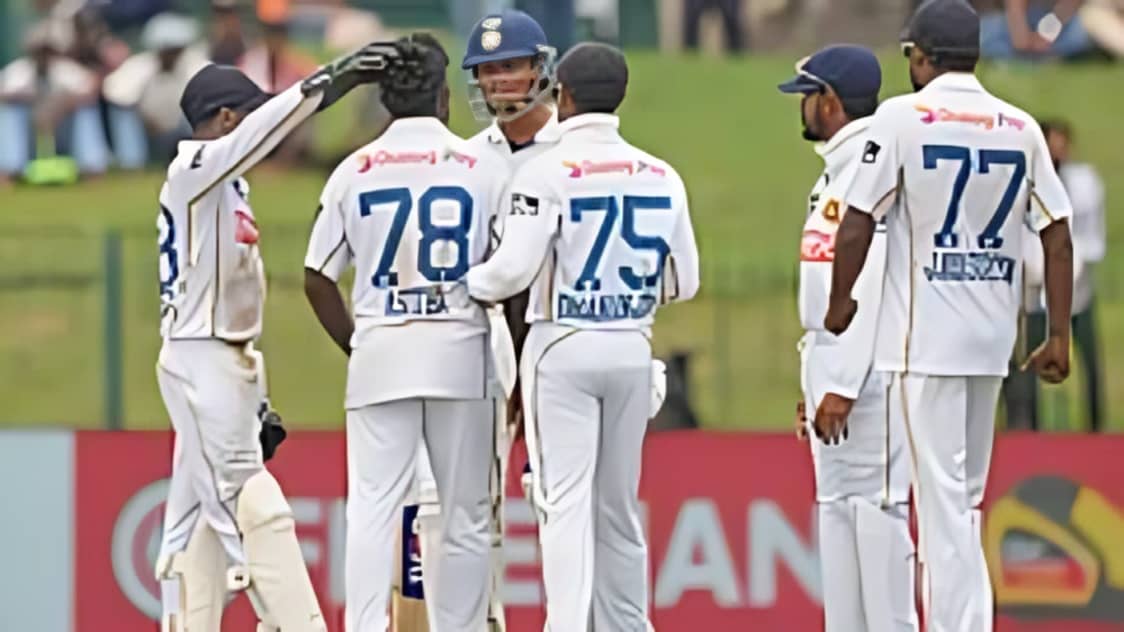
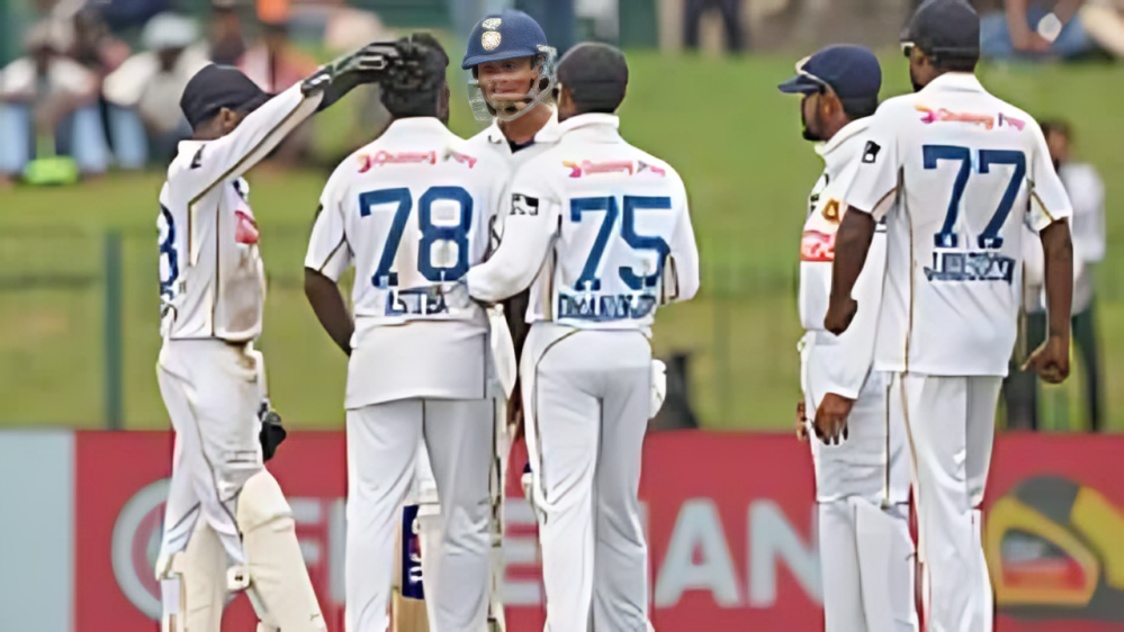
Jaiswal initially walked away from the confrontation before turning back towards the Sri Lankan bowler. The two players then moved close to one another, creating a tense situation on the field. Sri Lankan captain Dhananjaya de Silva and other players intervened before the confrontation could escalate further.
The incident immediately attracted attention because it went beyond the usual verbal exchanges sometimes seen between batters and bowlers in Test cricket. Match officials reviewed the episode under the ICC Code of Conduct, which provides a framework for dealing with inappropriate behaviour by international players and support personnel.
The ICC subsequently confirmed that both Jaiswal and Fernando had admitted the offence and accepted the proposed sanctions. As a result, there was no need for a formal hearing. Each player was fined one quarter of the match fee.
Article 2.12 of the ICC Code of Conduct concerns inappropriate physical contact with another player, player support personnel, umpire, match referee or any other person during an international match. The decision means that the governing body considered the physical proximity and contact during the confrontation sufficient to constitute a breach of the regulation.
The penalty is classified as a Level 1 offence, which is among the less serious categories under the ICC disciplinary framework. However, the sanction serves as an official warning that players are expected to maintain control and avoid physical confrontations even when emotions are running high during competitive matches.
India batting coach Sitanshu Kotak had already acknowledged that Jaiswal should have exercised greater restraint during the incident. Kotak said such situations can occur in the heat of the moment but felt that the Indian batter should not have gone so close to Fernando.
The comments from the India coaching staff came before the ICC announced the sanctions. They reflected the team's recognition that competitive intensity cannot come at the expense of discipline on the field.
The incident took place during an important Test series between India and Sri Lanka. India had entered the Colombo match after winning the opening Test in Galle by 165 runs. Sri Lanka were looking to respond strongly in the second match and level the series.
Jaiswal's dismissal was significant because he had made a brisk start to his innings. He scored 45 runs and struck nine boundaries before Fernando found the edge of his defence and broke through. The Indian opener's aggressive batting had put pressure on the Sri Lankan pace attack before the dismissal.
Fernando also continued to play an important role for Sri Lanka during the day's play. He later dismissed India captain Shubman Gill for 50, adding another important wicket to his figures.
Following the confrontation, the incident became a major talking point on social media and among cricket analysts. Some former players criticised the escalation, while others viewed it as an emotional moment that needed to be handled within the rules of the game.
The ICC's decision provides a formal conclusion to the disciplinary aspect of the incident. Both players will remain available for the ongoing Test series because the sanction was a financial penalty rather than a suspension.
The episode also highlights the ICC's continued emphasis on maintaining the spirit of cricket. The governing body's Code of Conduct is designed to discourage conduct that could damage the image of international cricket or undermine respect between players and officials.
For Jaiswal and Fernando, the matter is now officially closed from a disciplinary perspective after both accepted the sanctions. Their focus can return to the Test itself and to helping their respective teams achieve their series objectives.
The Colombo confrontation is likely to remain one of the memorable off-field moments of the series, but the ICC's action makes clear that physical contact during heated exchanges will not be overlooked. The 25 percent fines imposed on both players reinforce the expectation that international cricketers must maintain discipline even under intense competitive pressure.