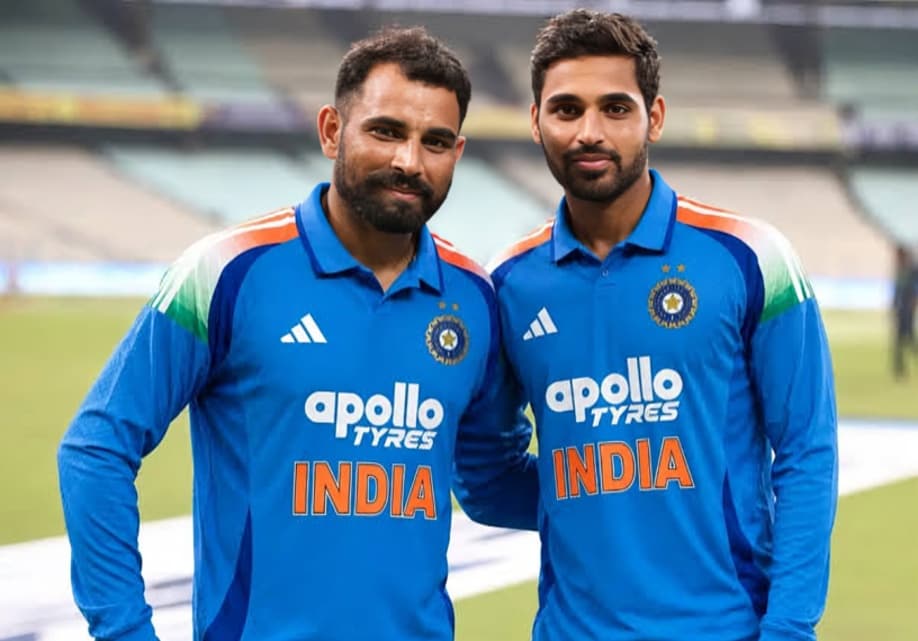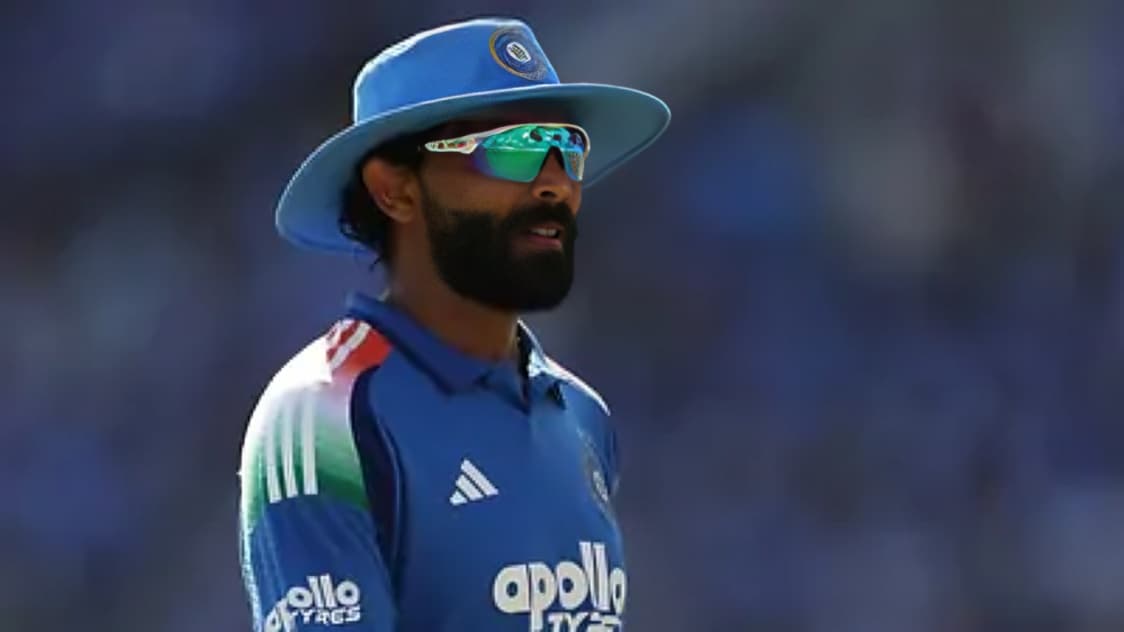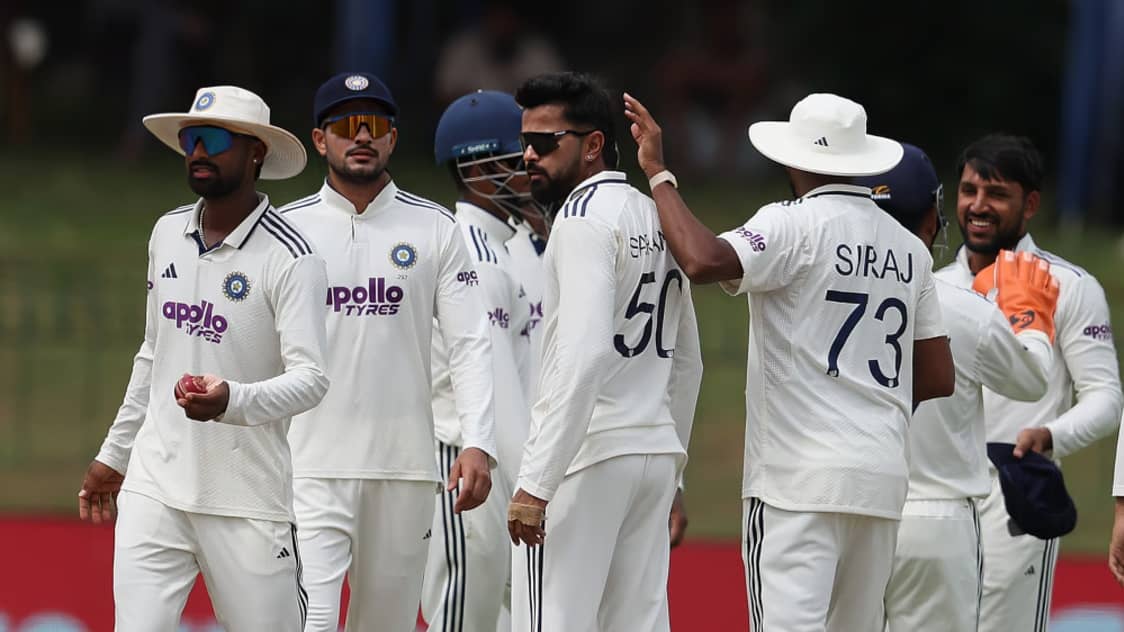
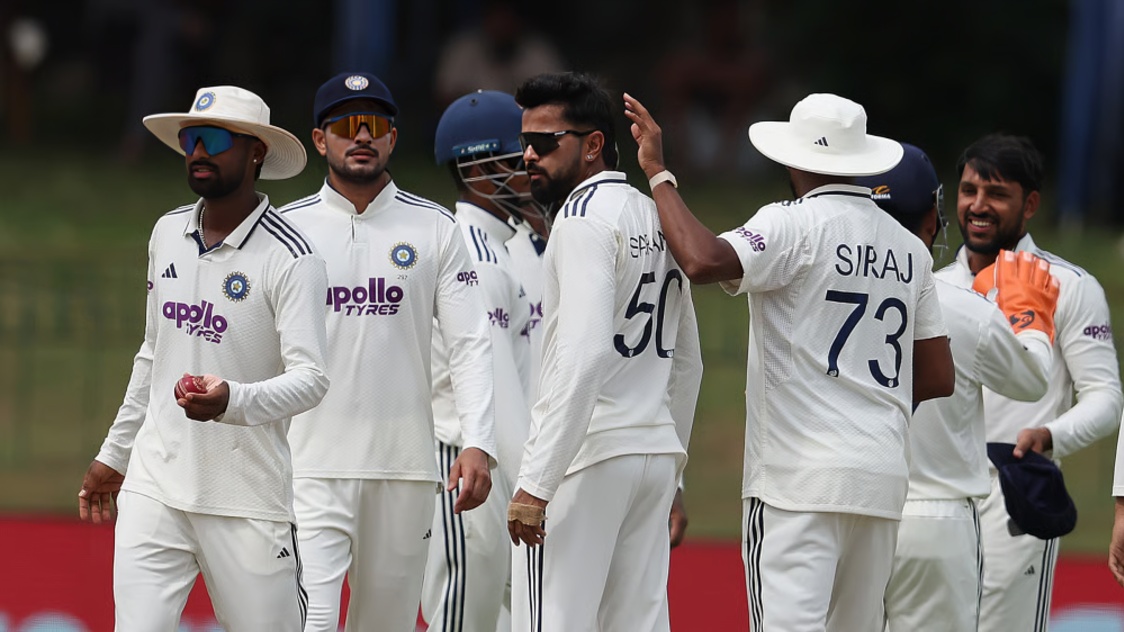
India remained in a strong position against Sri Lanka during Day 4 of the second Test in Colombo as the hosts were forced to follow on after falling well short of India's first innings total.
India had declared their first innings at 503 for 9. Sri Lanka were subsequently dismissed for 290, giving India a substantial first innings advantage of 213 runs. With the lead exceeding the follow on requirement, India opted to send Sri Lanka back to bat immediately rather than begin a second innings themselves.
The second Test is being played at the Sinhalese Sports Club in Colombo. India entered Day 4 with a clear advantage after taking control of the match through a combination of strong batting and disciplined bowling.
Sri Lanka had ended Day 3 at 265 for 8 after showing considerable resistance in their first innings. Sonal Dinusha and the lower order had helped the hosts recover from an early collapse, but Sri Lanka still needed another 39 runs to avoid the follow on when play ended on Day 3.
India completed the job early on Day 4, dismissing the remaining Sri Lankan batsmen and restricting the hosts to 290.
The first innings also saw an impressive century from Sonal Dinusha. He scored 103 from 162 deliveries and provided Sri Lanka with valuable resistance after India had made a commanding total.
For India, Prasidh Krishna and Manav Suthar were among the leading performers with the ball. Both bowlers claimed three wickets each during Sri Lanka's first innings and played a significant role in keeping the hosts under pressure.
India Enforce Follow On
Once Sri Lanka were bowled out for 290, India enforced the follow on.
The decision meant Sri Lanka had to bat again without India adding to their first innings total. India were 213 runs ahead at that stage, leaving Sri Lanka with the difficult task of overcoming the deficit while also preventing India from completing a victory.
The follow on also increased the pressure on the Sri Lankan batting lineup because the team had already spent considerable time at the crease during the first innings.
Kamindu Mendis Provides Resistance
Kamindu Mendis was one of the Sri Lankan batsmen who attempted to fight back against India's bowling attack.
He scored 55 in Sri Lanka's second innings before being dismissed, providing an important contribution as the hosts attempted to reduce India's overall advantage. His dismissal gave India another significant breakthrough at a time when Sri Lanka needed partnerships to remain competitive.
Mendis had also made 32 during Sri Lanka's first innings before being dismissed by Prasidh Krishna. His second innings contribution therefore became an important part of Sri Lanka's effort to stay in the contest.
Sri Lanka Need a Major Recovery
With India having secured a 213 run first innings lead, Sri Lanka's immediate priority was to erase the deficit and build a lead of their own.
The hosts needed their remaining batsmen to produce substantial partnerships if they were to put India under pressure in the final stages of the Test.
Sri Lanka had already demonstrated some resilience during the first innings. Sonal Dinusha and Pasindu Sooriyabandara were particularly important during the recovery after Sri Lanka lost early wickets.
Sooriyabandara scored 80 in the first innings and formed an important partnership with Mendis. His innings helped Sri Lanka avoid an even larger collapse.
However, India's bowling attack continued to create opportunities throughout the innings.
India Maintain Control
India's strong position has been built on their first innings batting performance and the effectiveness of their bowling attack.
The visitors scored 503 for 9 before declaring, setting up a substantial challenge for Sri Lanka.
The Indian batting effort provided the foundation for the team's current position. By declaring rather than continuing to bat, India gave themselves enough time to attack the Sri Lankan batting lineup.
The decision to enforce the follow on further demonstrated India's confidence in their bowling attack.
India's bowlers have been able to take wickets at regular intervals throughout the match, while the Sri Lankan lower order has been forced to spend long periods at the crease.
Weather Could Remain Important
Weather has also played a role in the Colombo Test.
Rain interrupted play during Day 3 and affected the amount of cricket possible. The possibility of further interruptions remains an important factor because India need sufficient playing time to complete the victory after enforcing the follow on.
The follow on gives India an advantage in terms of match situation, but the weather could potentially reduce the number of overs available to the bowlers.
Sri Lanka's objective is therefore not only to score enough runs to take the lead but also to use as much time as possible while attempting to prevent India from having sufficient opportunity to chase a target.
Second Test Context
The second Test is part of India's tour of Sri Lanka.
India had already won the opening Test in Galle by 165 runs, giving the visitors the advantage in the series. Sri Lanka entered the Colombo match looking to respond after their defeat in the first Test.
The absence of several experienced Sri Lankan batsmen has also affected the hosts' batting options. Kusal Mendis was unavailable because of a hamstring injury, while Dinesh Chandimal was ruled out after suffering a concussion during the first Test. Pathum Nissanka was also unavailable while recovering from wrist surgery.
These absences have placed additional responsibility on Sri Lanka's newer and less experienced players.
The performance of players such as Sonal Dinusha, Pasindu Sooriyabandara and Kamindu Mendis has therefore been important for Sri Lanka.
India Aim to Finish the Match
India's immediate objective is to take the remaining Sri Lankan wickets and secure another Test victory.
The visitors have already created a substantial advantage by making 503 for 9 and then dismissing Sri Lanka for 290.
By enforcing the follow on, India have placed themselves in a position where they can attempt to finish the match without having to bat again.
However, Sri Lanka's second innings resistance means India still need to complete the job with the ball.
The performance of India's pacers and spinners will therefore remain crucial as the match moves towards its final stages.
Prasidh Krishna has been particularly effective in the match, while Manav Suthar has also contributed important wickets. Ravindra Jadeja has provided additional support with his spin bowling.
Live Match Situation
The latest developments have changed the picture from the start of Day 4.
Sri Lanka initially needed to avoid the follow on after finishing Day 3 at 265 for 8. India then dismissed the remaining batsmen and enforced the follow on after Sri Lanka reached 290.
Sri Lanka's second innings offered some resistance, but India's continued wicket-taking kept the pressure on the hosts.
Kamindu Mendis' dismissal for 55 was another important moment as India attempted to move closer to victory.
The result will depend on whether Sri Lanka can produce a substantial second innings total or whether India's bowlers can complete the victory before the weather becomes a decisive factor.
For Sri Lanka, avoiding another heavy defeat is now the primary objective. For India, the opportunity to take a 2-0 series lead provides strong motivation to finish the Test as quickly as possible.
The Colombo Test has therefore entered a crucial stage, with India's bowlers looking to complete the job and Sri Lanka fighting to keep the match alive.