
India posted a total of 214 in the first Women One Day International against Australia, setting up a competitive contest between the two sides. After winning the toss and choosing to bat, India began cautiously but lost wickets at regular intervals as the Australian bowlers maintained consistent pressure.
Smriti Mandhana provided stability at the top of the order with a composed innings of 58 runs from 68 deliveries. She handled the early movement effectively and rotated the strike to keep the scoreboard ticking. However, Australia managed to strike at key intervals, preventing India from building a dominant partnership in the opening phase.
Captain Harmanpreet Kaur played a crucial role in the middle overs, scoring a steady 58 runs. She rebuilt the innings after early setbacks and ensured India crossed the 200 run mark. Harmanpreet also stitched together an important partnership with Kashvee Gautam, who added late momentum with a quick 42 run knock. Gautam aggressive approach in the closing overs helped India push towards a respectable total despite losing wickets at the other end.
Australia bowling attack remained disciplined throughout the innings. Ashleigh Gardner emerged as the standout performer with three wickets, breaking partnerships and maintaining pressure in the middle overs. The Australian fielding unit also contributed by restricting boundaries and capitalising on opportunities.
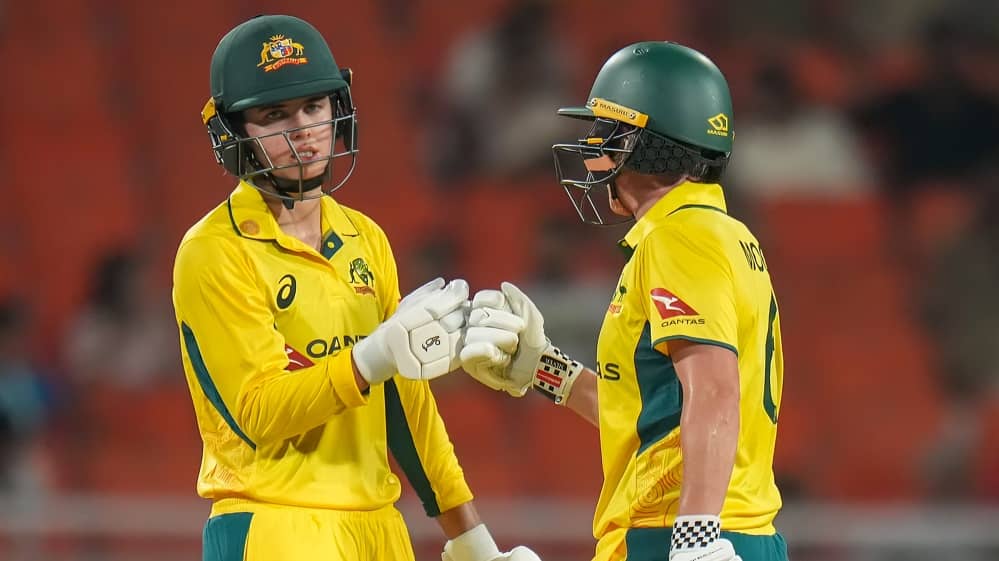
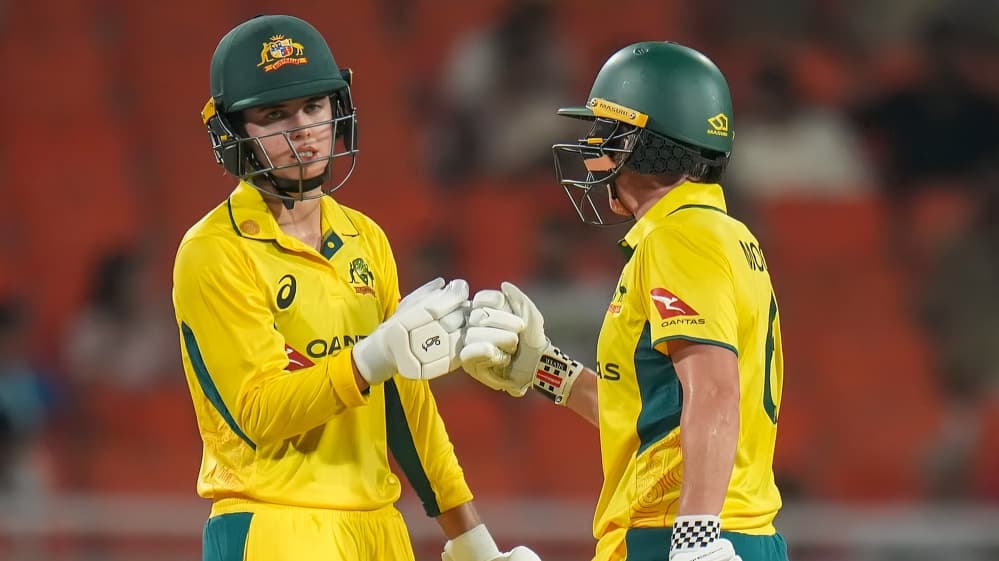
Chasing 214, Australia faced early trouble as Indian bowler Shree Charani delivered a crucial double blow. The early wickets placed pressure on Australian openers Alyssa Healy and Beth Mooney, who were tasked with stabilising the innings. Both batters looked to rebuild carefully, focusing on strike rotation and minimising risks in the initial overs of the chase.
The match reflected the competitive balance between the two teams, with bowlers playing a decisive role in shaping the contest. India total of 214 may not be imposing on a flat surface, but the early breakthroughs added intensity to the second innings. The performance of the middle order and the effectiveness of the bowling unit will remain key talking points as the series progresses.
The first Women ODI continues to highlight the growing depth in both squads. For India, contributions from experienced players alongside emerging talent underline the team evolving structure. For Australia, the ability to respond under pressure remains central to their approach in limited overs cricket.
As the game unfolds, attention remains on how the Australian middle order handles the chase and whether India bowlers can maintain pressure in the crucial middle overs. The outcome of this opening match could set the tone for the remainder of the series.


