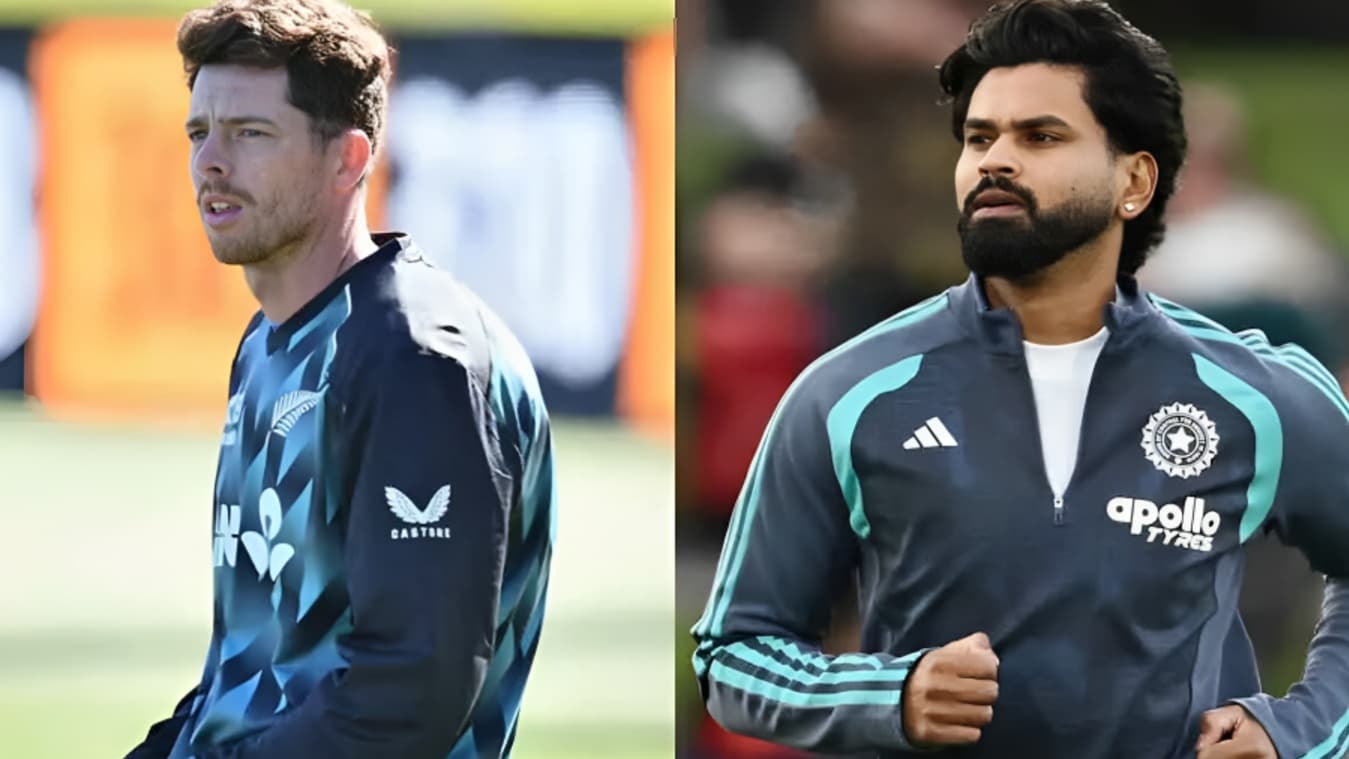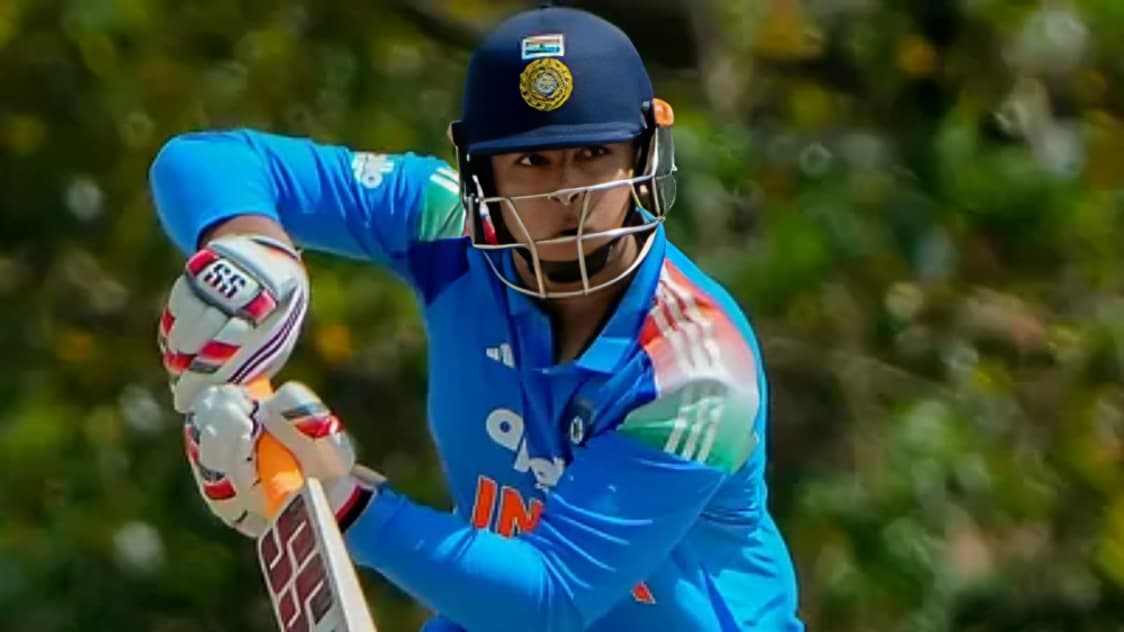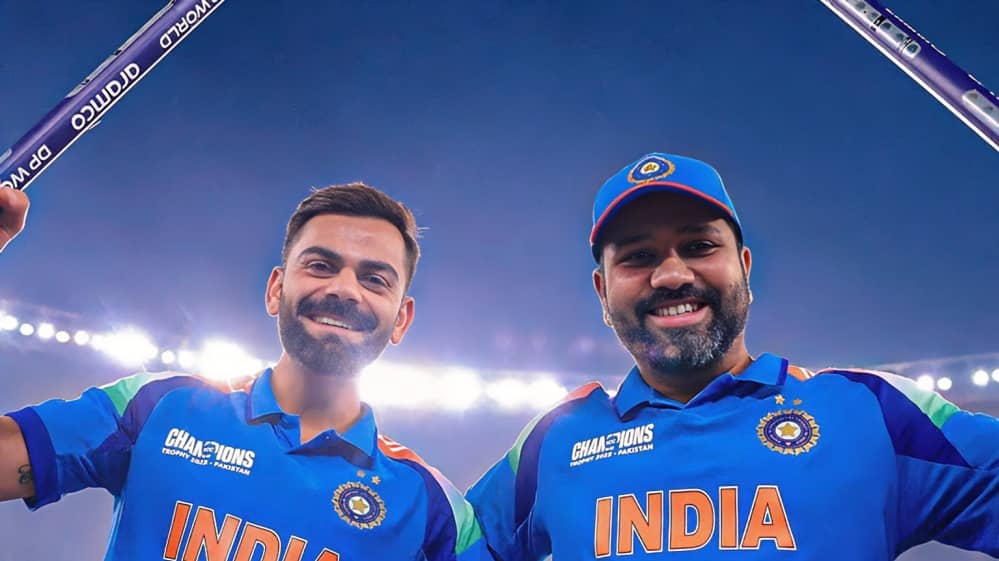
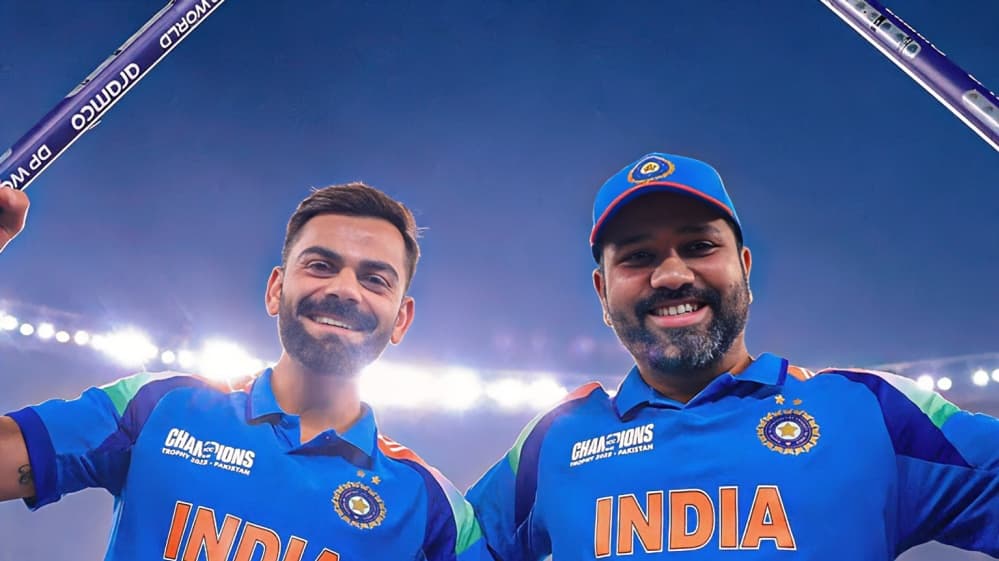
The Indian cricket team is set to undergo a major transformation in the T20 International segment of the New Zealand tour, following the retirement of senior stars Virat Kohli and Rohit Sharma from the shortest format. As a result, the T20I squad will look notably different from the One Day International team that featured earlier in the tour.
Virat Kohli and Rohit Sharma, two of India’s most experienced and successful batters, officially stepped away from T20 International cricket earlier, bringing an end to an era that defined India’s dominance in the format for more than a decade. Their absence marks a strategic shift by the team management towards building a younger, more dynamic squad in preparation for upcoming global tournaments.
Suryakumar Yadav is set to make his return to the Indian side and is expected to play a key role in the T20I setup. Known for his aggressive batting style and ability to score quickly across all areas of the field, Suryakumar has been a mainstay in India’s T20 plans over the past few years. His comeback is seen as a boost to the middle order, which will now shoulder greater responsibility in the absence of senior players.
Alongside Suryakumar, several regular T20I performers are expected to feature prominently in the series. Abhishek Sharma, who has impressed with his fearless approach at the top of the order, is likely to be given extended opportunities. Sanju Samson, another established name in the format, will also be part of the squad, providing experience and flexibility in the batting lineup.
The revamped squad reflects India’s long-term vision of developing a strong pool of players ahead of major international events. The selectors appear focused on giving younger cricketers consistent exposure at the international level, allowing them to gain experience against quality opposition such as New Zealand. This approach is aimed at ensuring depth and balance in the squad while preparing future leaders for high-pressure situations.
The change in personnel also highlights the evolving nature of Indian cricket, where workload management and format-specific specialization have become increasingly important. With Kohli and Rohit continuing to play key roles in Tests and ODIs, the team management has opted to manage their schedules carefully while transitioning leadership responsibilities in T20Is.
Fans and experts alike will be keen to see how the new-look Indian team performs in the T20I series. The upcoming matches will serve as an important test for the younger players, offering them a chance to cement their places and prove their readiness for bigger stages.
As India enters this new phase in T20 cricket, the focus will be on adaptability, aggressive intent, and consistency. The series against New Zealand is expected to provide valuable insights into the team’s future direction and its preparations for upcoming international challenges.