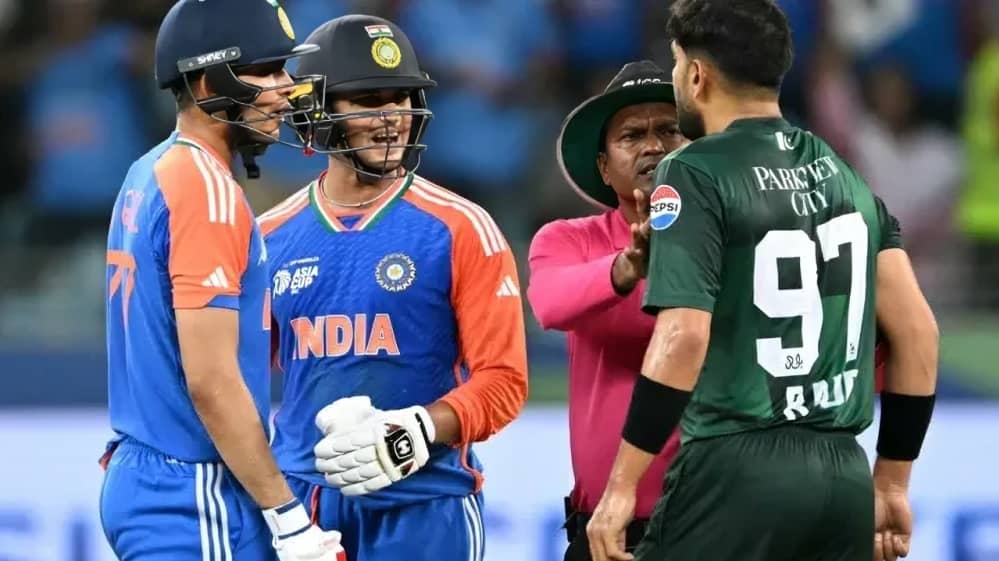
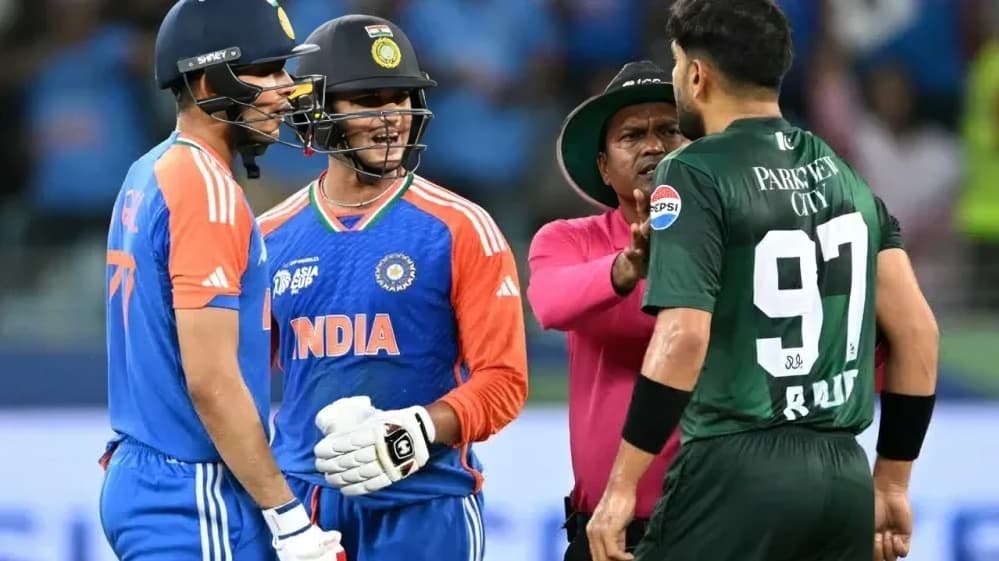
The much anticipated India vs Pakistan clash at the ICC T20 World Cup 2026 has been thrown into uncertainty following reports that Pakistan has refused to play the fixture. The development has sparked widespread debate within the cricketing world, given the significance of the match and its global viewership.
According to reports, the decision stems from the Pakistan government not granting clearance for the national team to play against India in the tournament. The match is scheduled to take place at the R Premadasa Stadium in Colombo, Sri Lanka, as part of the hybrid hosting model agreed upon earlier between cricket boards and the ICC.
Pakistan’s stance was reportedly communicated through official channels and social media statements, indicating that the team would play its remaining matches in the tournament but would not participate in the game against India. This has raised questions about the tournament’s integrity and scheduling, as the India Pakistan match is considered one of the marquee events of any ICC competition.
The International Cricket Council has stated that it has not yet received any formal notification from the Pakistan Cricket Board regarding a boycott of the fixture. ICC officials have emphasised that any such decision must be formally communicated through the board rather than through political announcements.
The ICC has also warned that unilateral withdrawal from a scheduled match could have serious long term consequences for Pakistan cricket. These may include disciplinary action, financial penalties, or impact on future tournament participation, as ICC events are governed by strict participation agreements signed by all member boards.
The current controversy comes amid an already complex tournament setup. Under the hybrid hosting arrangement finalised ahead of the 2025 Champions Trophy, Pakistan does not travel to India for ICC events, while India also does not travel to Pakistan. As a result, Pakistan’s matches are scheduled to be held in Sri Lanka or other neutral venues.
Despite this arrangement, the refusal to play India even at a neutral venue has added a new layer of tension. Cricket analysts note that such a move could place Pakistan in a difficult position diplomatically within international cricket, especially if the ICC enforces its regulations strictly.
The India Pakistan rivalry is one of the biggest draws in world cricket, generating significant commercial revenue and global interest. Any cancellation or forfeiture of the match would not only affect fans but could also impact broadcast commitments and sponsorship agreements linked to the tournament.
As of now, no official confirmation has been issued by the Pakistan Cricket Board regarding the final decision. Discussions are expected to continue between the PCB, the ICC, and other stakeholders to resolve the situation before the tournament schedule is finalised.
Until a formal announcement is made, the fate of the India vs Pakistan match at the T20 World Cup 2026 remains uncertain, with cricket fans around the world closely watching how the situation unfolds.