Mumbai is planning a major development in its cricket infrastructure with a proposal to build a new large scale stadium that could rival some of the biggest venues in the world. The move is seen as part of an effort to reinforce the city’s position as a key centre for cricket in India.
The proposed stadium is expected to be significantly larger and more modern than the existing Wankhede Stadium, which has long been associated with Mumbai’s cricketing history. While Wankhede remains an iconic venue, officials are considering shifting major cricketing events to a new facility that can accommodate larger crowds and offer advanced amenities.
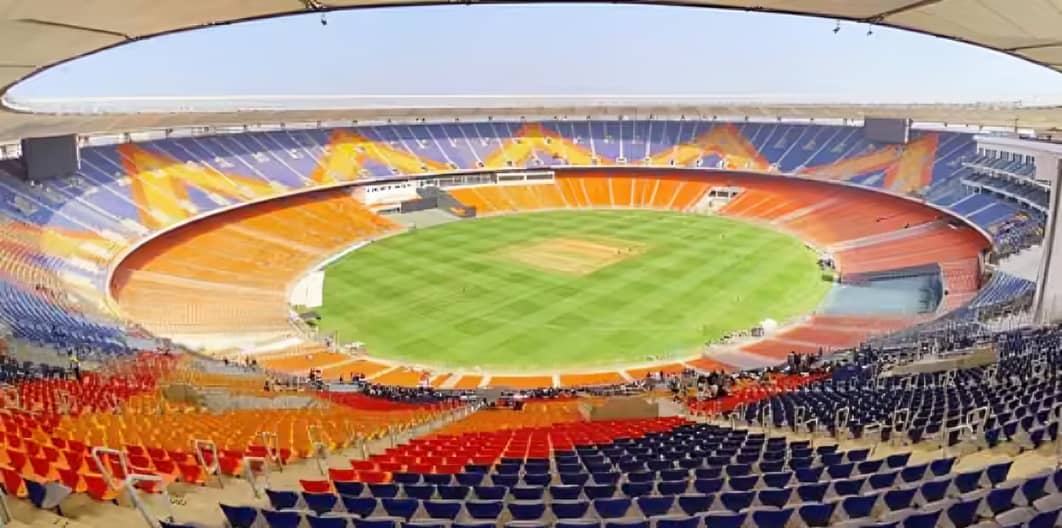
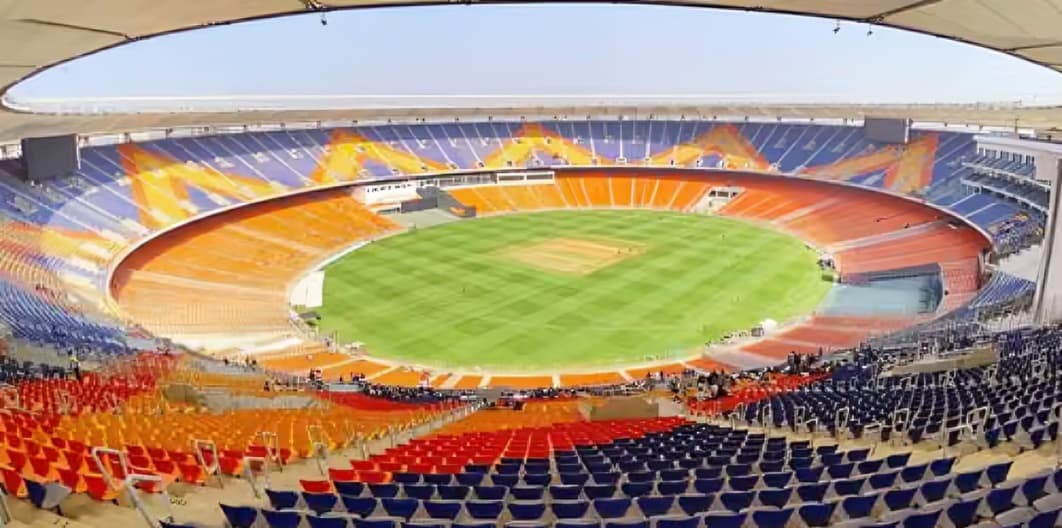
The initiative is also viewed in the context of competition with the Narendra Modi Stadium in Ahmedabad, which is currently one of the largest cricket stadiums in the world. By developing a comparable or even larger venue, Mumbai aims to attract major international matches, tournaments, and events.
Plans for the new stadium include the creation of a comprehensive cricketing complex equipped with modern infrastructure. This may include improved seating capacity, better training facilities, and advanced technology to enhance the viewing experience for spectators. The project is expected to meet international standards and cater to the growing demand for high quality sports venues.
Experts believe that such a development could have multiple benefits for the city. In addition to boosting sports infrastructure, it may contribute to economic growth by attracting tourism and creating employment opportunities. Large sporting events often generate significant revenue and help promote the host city on a global stage.
At the same time, the proposal has sparked discussions about the future of Wankhede Stadium. As one of India’s most historic cricket venues, Wankhede holds a special place in the country’s sporting history. Authorities are likely to consider ways to preserve its legacy even as new infrastructure is developed.
The project is still in the planning stage, and further details regarding location, investment, and timelines are expected to be announced in the coming months. Stakeholders, including sports authorities and government bodies, will play a key role in shaping the final outcome.
Overall, Mumbai’s plan to build a new cricket stadium reflects the evolving landscape of sports infrastructure in India. With increasing interest in cricket and the need for world class facilities, cities are investing in modern venues to host large scale events. If implemented successfully, the project could position Mumbai as a leading destination for international cricket once again.