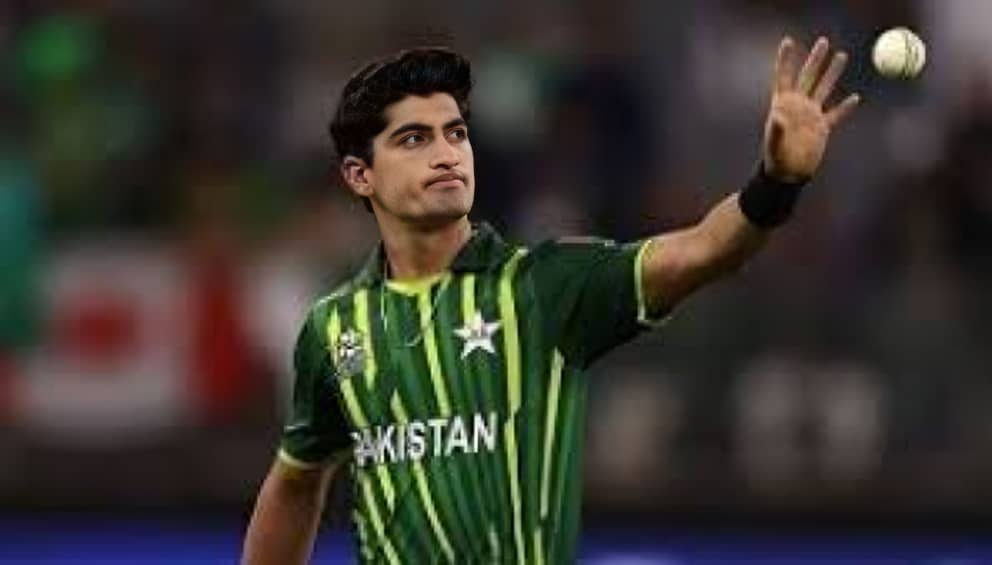
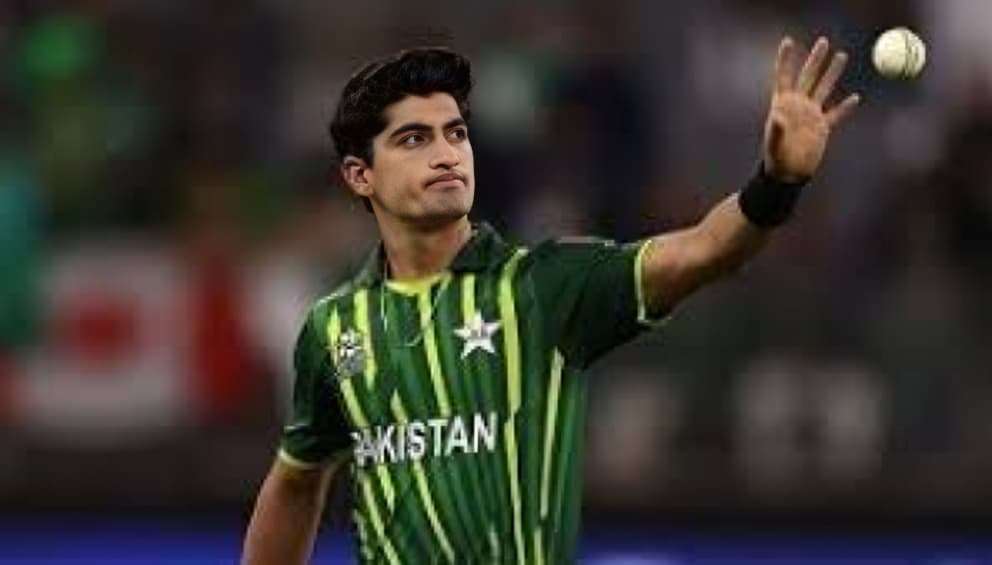
Naseem Shah was at the center of a controversy following a social media post that reportedly drew attention from cricket authorities. The situation led to discussions within the Pakistan Cricket Board regarding possible disciplinary action, highlighting the importance of conduct both on and off the field.
According to statements made by Basit Ali, the matter was reviewed by a disciplinary committee, which reportedly recommended a suspension for the player. The suggested penalty was said to be significant, reflecting the seriousness with which such matters are treated by cricket governing bodies. However, the final decision differed from the initial recommendation.
Mohsin Naqvi is reported to have played a key role in the outcome of the case. Instead of implementing a suspension, the authorities opted for a financial penalty. Reports indicate that a fine was imposed, allowing the player to continue his participation in cricket activities without interruption.
The incident has drawn attention to the processes followed by cricket boards when dealing with disciplinary issues. Social media activity by players has increasingly become an area of focus, as it can influence public perception and raise concerns regarding professionalism. Governing bodies often establish guidelines to ensure that players maintain appropriate conduct in all forms of communication.
Naseem Shah, known for his performances as a fast bowler, has been an important part of Pakistan’s cricket setup. His career has seen steady progress, with notable contributions in international matches. Situations such as this highlight the challenges faced by athletes in balancing public engagement with professional responsibilities.
Experts note that disciplinary decisions are typically based on multiple factors, including the nature of the incident, its impact, and the player’s overall conduct. While strict action may be recommended in some cases, authorities may also consider alternative measures such as fines or warnings. These decisions aim to address the issue while allowing players to continue their careers.
The role of cricket boards extends beyond managing matches and tournaments. Ensuring discipline and maintaining the integrity of the sport are key responsibilities. Incidents involving players often lead to discussions about the effectiveness of existing guidelines and the need for clear communication of expectations.
The reported intervention by senior officials has also sparked debate about decision making processes within sports administration. Transparency and consistency are considered important factors in maintaining trust among players and the public. Clear explanations of decisions can help address concerns and provide clarity.
Social media has become an integral part of modern sports, allowing players to connect with fans and share updates. However, it also requires careful management to avoid controversies. Players are often advised to be mindful of their posts and to follow established guidelines.
Overall, the situation involving Naseem Shah highlights the evolving nature of disciplinary matters in cricket. It underscores the need for balanced decisions that uphold standards while supporting players’ careers. As the sport continues to adapt to new challenges, such cases provide insights into how governance and accountability are maintained.