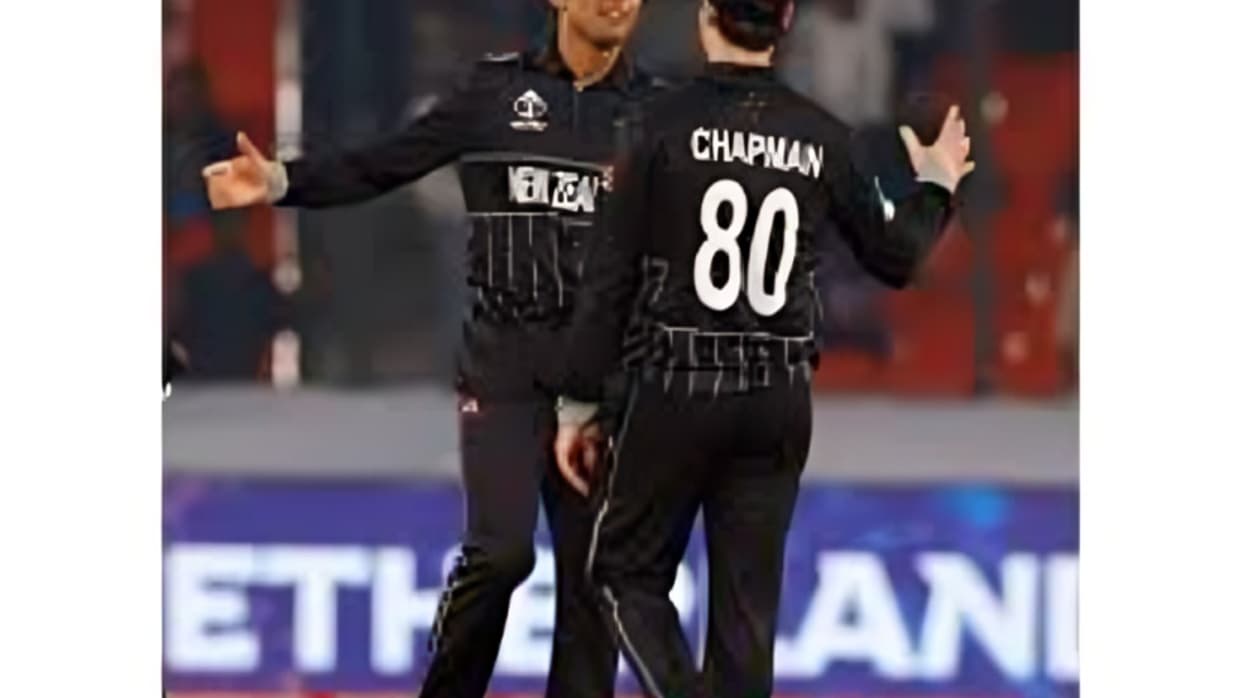
New Zealand have suffered a significant setback ahead of their five-match One-Day International series against India, with key players Mark Chapman and Rachin Ravindra ruled out due to injuries. The decision leaves the Black Caps without two important batting options as they prepare to face India in a home series beginning on November 4, 2026.
New Zealand Cricket confirmed on November 2 that both players would miss the entire ODI series as they continue their recovery. Chapman is dealing with a left hamstring injury, while Ravindra is recovering from a problem involving his right shoulder. The team management has decided not to rush either player back into action before they are fully fit.
NZC+1
Mark Chapman needs more time to recover
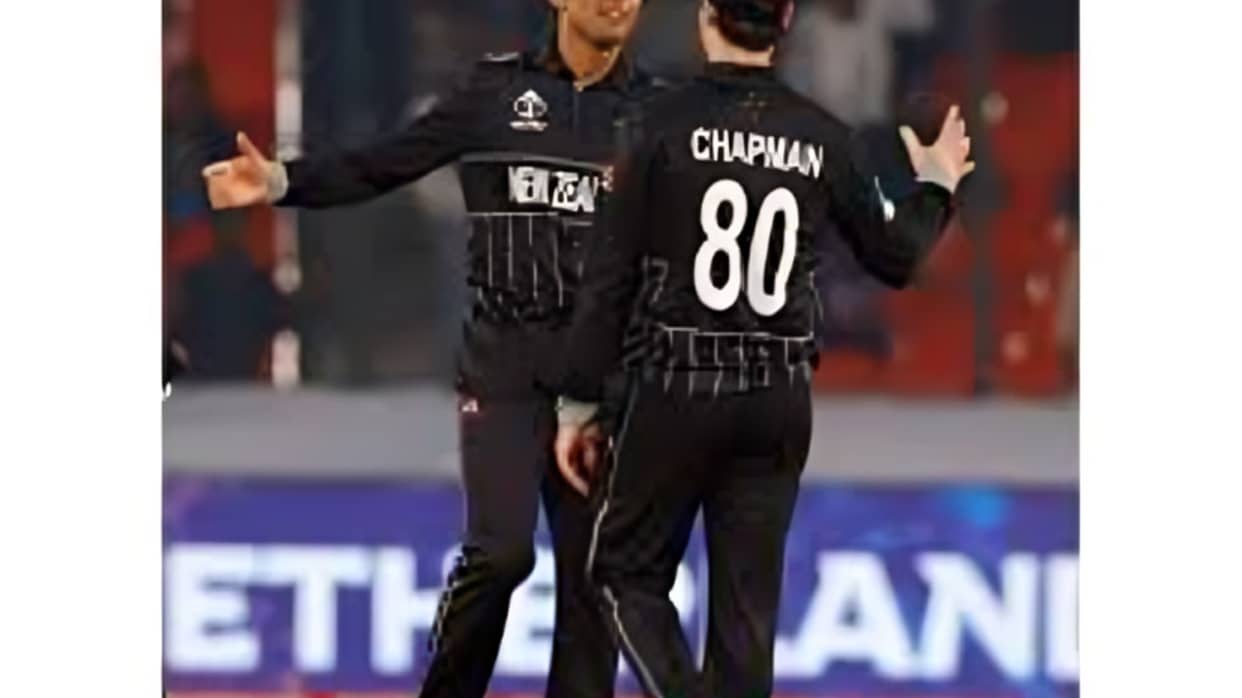
Chapman sustained a left hamstring injury while playing in the European T20 Premier League. A recent MRI scan showed that the injury would require another two weeks of rehabilitation before he could return to the field at full fitness.
The additional recovery period means Chapman will miss all five matches against India. His absence is a concern for New Zealand because he offers an experienced batting option in the middle order. The team will now have to adjust its batting combinations and identify players who can take responsibility in his absence.
New Zealand head coach Rob Walter said Chapman was disappointed to miss the series but was working hard to recover. The management is expected to monitor his rehabilitation before considering him for future matches.
NZC+1
Rachin Ravindra ruled out with shoulder problem
Rachin Ravindra has also been ruled out after failing to recover sufficiently from a right shoulder injury. The all-rounder needs additional time before he can field at full capacity.
New Zealand are particularly cautious about Ravindra’s recovery because a two-match Test series against India is scheduled later in the month. The team management does not want to take unnecessary risks that could worsen the injury or affect his availability for the longer format.
Walter explained that Ravindra’s shoulder had not recovered enough for him to field comfortably in white-ball cricket. The decision to leave him out of the ODI series is therefore part of the team's effort to prioritise his fitness and long-term availability.
ICC+1
New Zealand announce squad changes
Following the withdrawals, New Zealand Cricket has made changes to the squad for different stages of the five-match series.
Wicketkeeper-batter Tim Seifert, who was initially selected for the fourth and fifth ODIs, will now be available for all five matches. His inclusion throughout the series gives New Zealand another batting option and additional wicketkeeping cover.
Henry Nicholls has been added to the squad for the first three ODIs. Nicholls joins the team after scoring a century in domestic List A cricket, strengthening the available batting options for the opening part of the series.
Dean Foxcroft has been included for the fourth and fifth matches. He will join the squad after completing his commitments with New Zealand A in the red-ball series against India A. Foxcroft has also featured in recent ODI cricket for New Zealand, giving the team another option for the closing matches.
The changes are intended to help New Zealand maintain balance across the series despite losing two established players.
NZC+1
Matt Henry's fitness also under observation
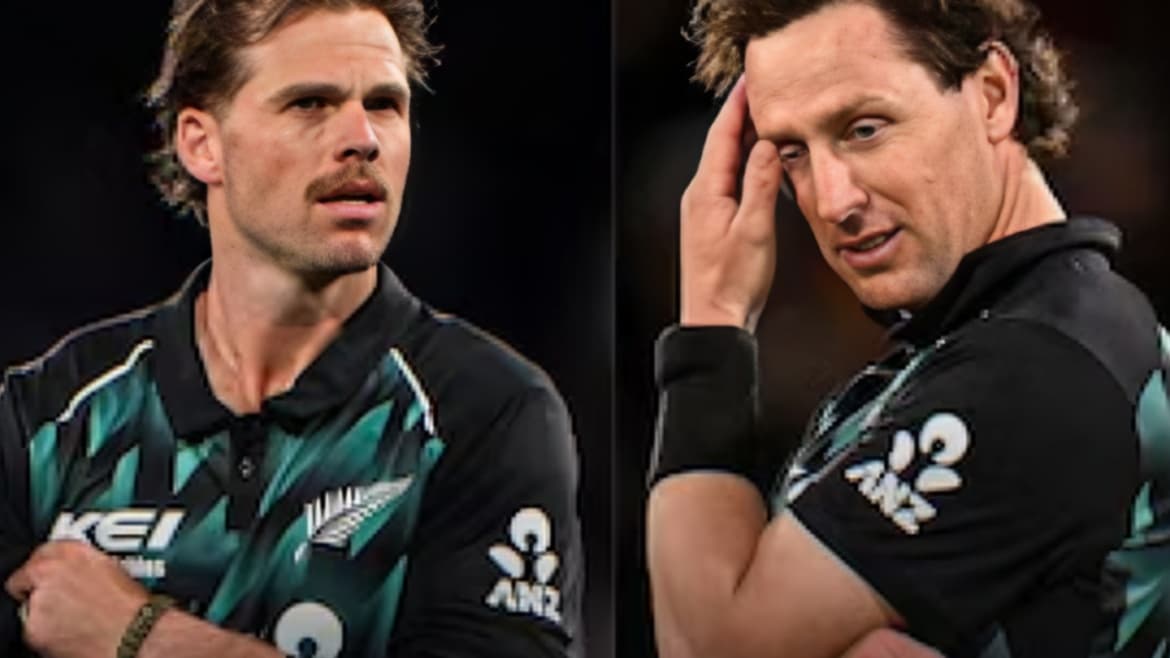
New Zealand are also monitoring the fitness of fast bowler Matt Henry. He is expected to join the squad, but the team management will assess his readiness before confirming his participation.
Henry's availability is another factor the team will need to consider while finalising its playing combination. The bowling group may have to take on additional responsibility if he is not ready for the opening match.
Head coach Rob Walter acknowledged that losing Chapman and Ravindra was disappointing. However, he expressed confidence in the players brought into the squad and their ability to contribute during the series.
NZC+1
India series begins in Auckland
The first ODI between New Zealand and India is scheduled to take place in Auckland on November 4. The second match will be played in Wellington on November 7, followed by the third in Hamilton on November 10. The final two ODIs are scheduled for Mount Maunganui on November 13 and November 15.
With two key players unavailable, New Zealand will have to make adjustments to their batting line-up and overall team strategy. India will look to take advantage of the situation, while the hosts will aim to remain competitive with the revised squad.
The injury setbacks also underline the importance of managing player fitness during a busy international schedule. New Zealand's decision to give Chapman and Ravindra additional recovery time reflects the team's focus on ensuring that both players return only when they are ready for competitive cricket.