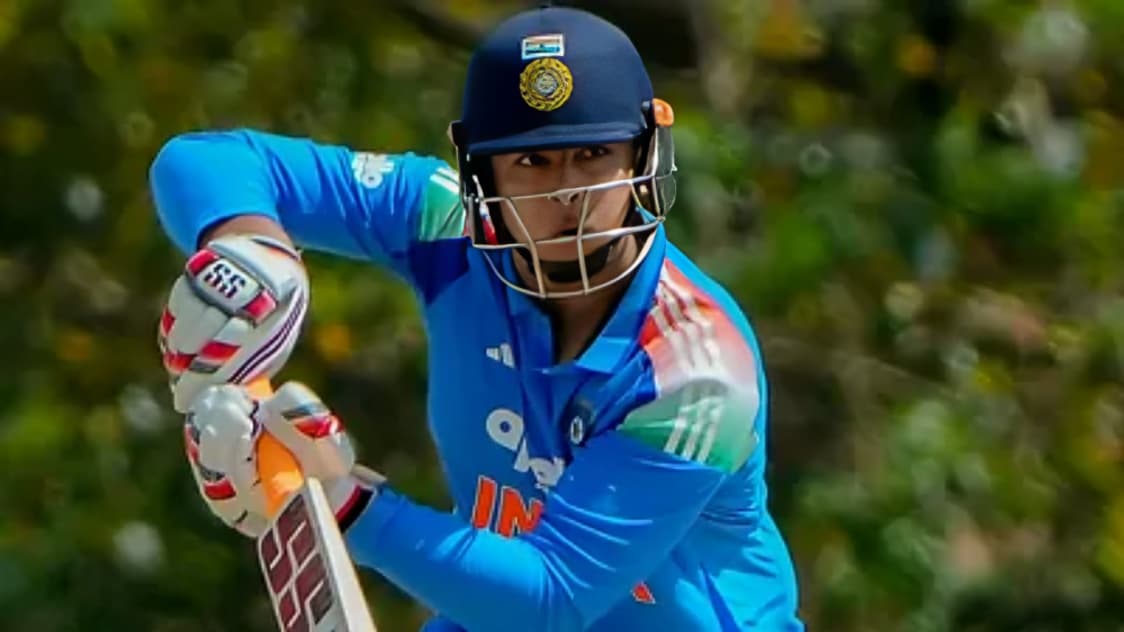
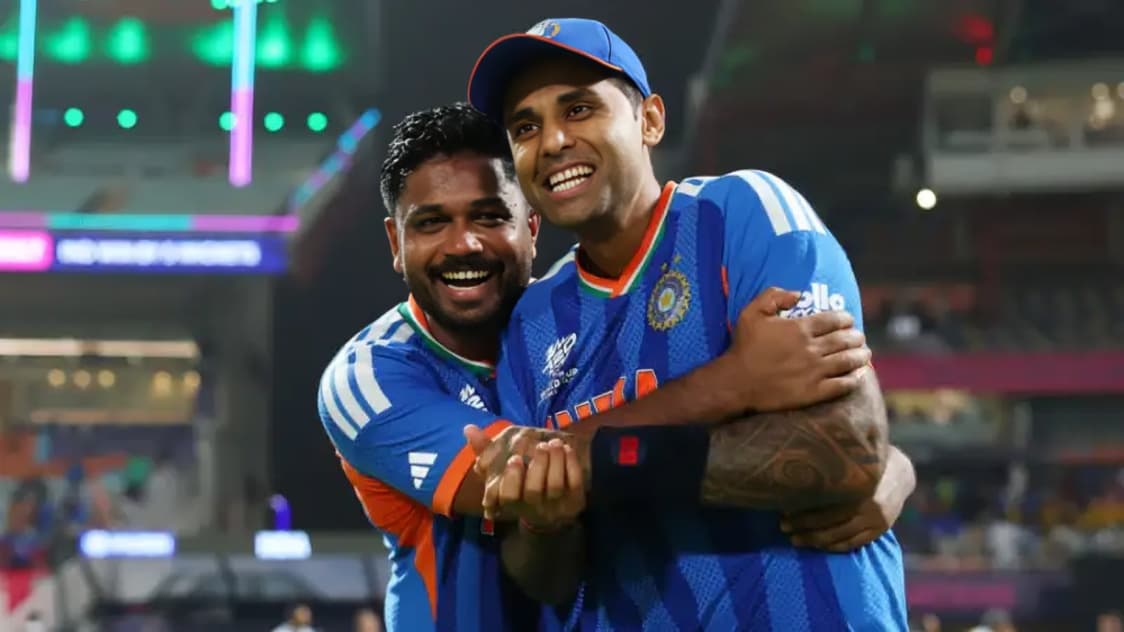
Ravichandran Ashwin has shared his views on the growing discussion around the early inclusion of young cricketer Vaibhav Sooryavanshi in the Indian national team. The experienced off spinner emphasized that the player should be allowed to develop at his own pace rather than being fast tracked into international cricket.
Ashwin highlighted that Vaibhav Sooryavanshi is still in his mid teens, a stage where players typically focus on building their skills and gaining experience in domestic and age group cricket. According to him, rushing a player into the international arena without adequate preparation could place unnecessary pressure on the individual and potentially impact long term performance.
The discussion around early debuts has gained attention following recent developments in domestic and franchise cricket, where young players are being identified and promoted at an early age. While this approach can provide opportunities, it also raises questions about readiness and sustainability. Ashwin’s comments reflect a broader perspective on player development and career management.
He pointed out that international cricket demands a high level of physical and mental readiness. Players are required to adapt to different conditions, handle expectations, and perform consistently against top level competition. Achieving this level of preparedness takes time and structured training.
Vaibhav Sooryavanshi has been recognized as a promising talent, drawing attention for his performances at a young age. His potential has led to discussions about his future prospects, including the possibility of representing India. However, Ashwin’s remarks suggest that patience is essential in nurturing such talent.
Cricket experts often stress the importance of a strong foundation in domestic cricket before moving to the international stage. Playing in various formats and conditions helps players develop the skills needed to succeed at higher levels. Gradual progression also allows them to gain confidence and experience without facing excessive pressure.
Ashwin’s views also highlight the role of selectors and team management in making decisions about player inclusion. Balancing immediate performance needs with long term development is a key challenge in modern cricket. Ensuring that young players are introduced at the right time is considered crucial for their success.
The increasing visibility of young talent through leagues and tournaments has changed the landscape of cricket. While opportunities have expanded, so have expectations. Managing these expectations is important to protect players from burnout and maintain their focus on improvement.
Fans and analysts have responded to Ashwin’s comments with discussions about the best approach to developing young cricketers. Many agree that while talent should be recognized, it should also be supported with proper guidance and time.
The Indian cricket system has produced several players who have progressed through structured pathways before achieving success at the international level. This model continues to be seen as effective in ensuring consistent performance and career longevity.
Overall, Ravichandran Ashwin’s remarks underline the importance of patience and planning in cricket development. His perspective adds to the ongoing conversation about how young players should be integrated into the national team setup.
As Vaibhav Sooryavanshi continues his journey, attention will remain on his growth and performances. Decisions regarding his future will likely be made based on his readiness and the requirements of the team, ensuring a balanced approach to his development.