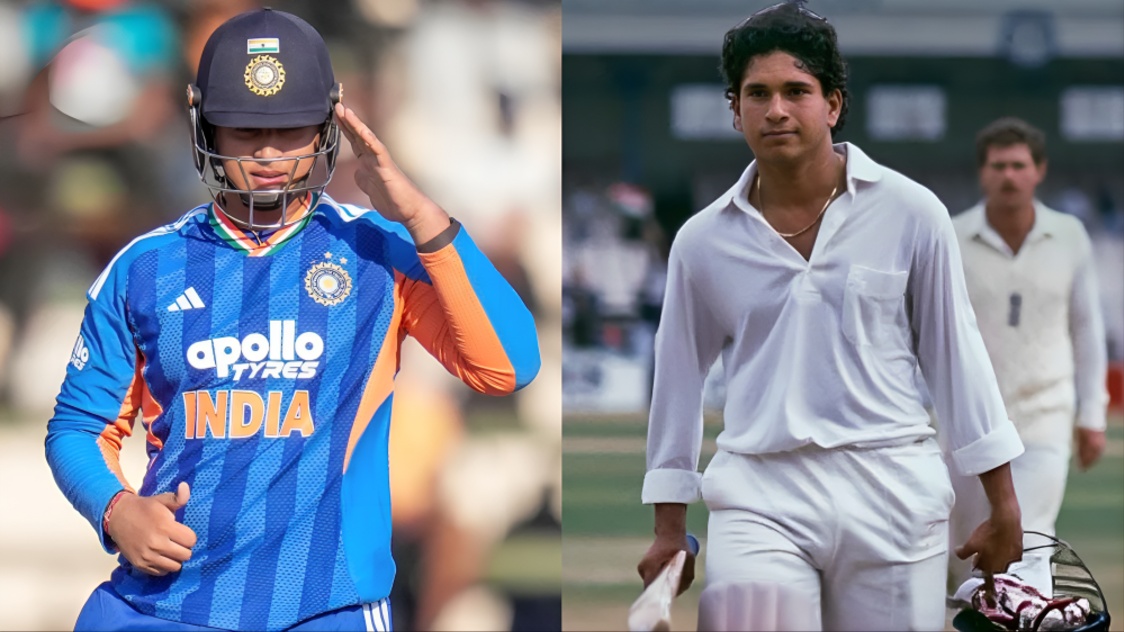
Teenage cricketer Vaibhav Sooryavanshi continues to attract attention in Indian cricket, with East Zone coach Ratan Singh expressing confidence in his potential to bring a new dimension to red-ball cricket. In an exclusive interview with Sports Now, Singh discussed the youngster’s growing influence and compared the excitement surrounding him with the fanfare witnessed during Sachin Tendulkar’s rise.
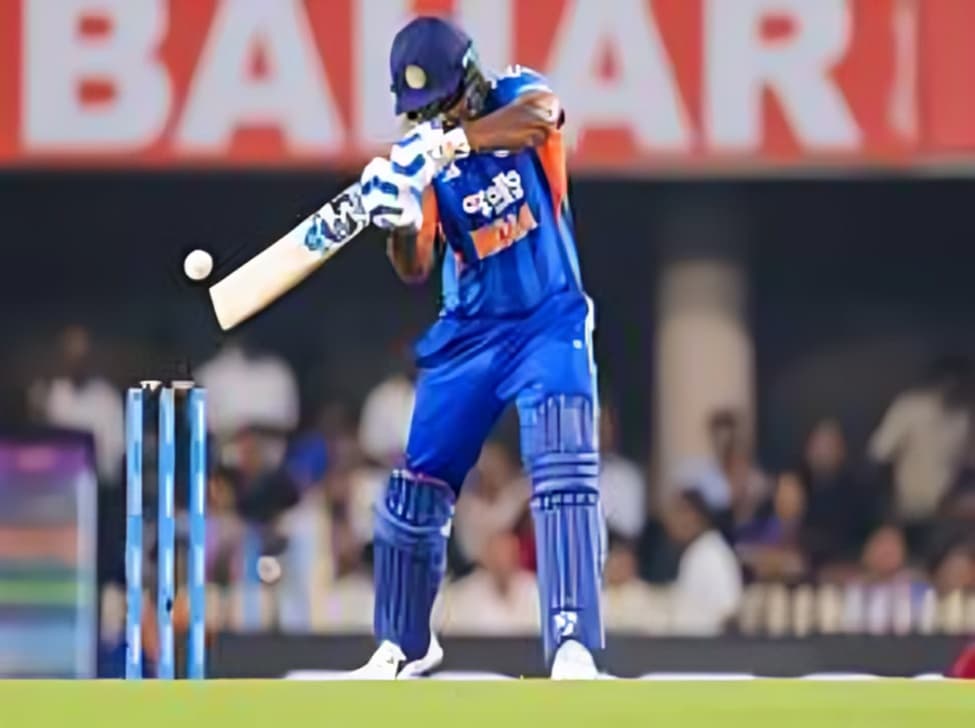
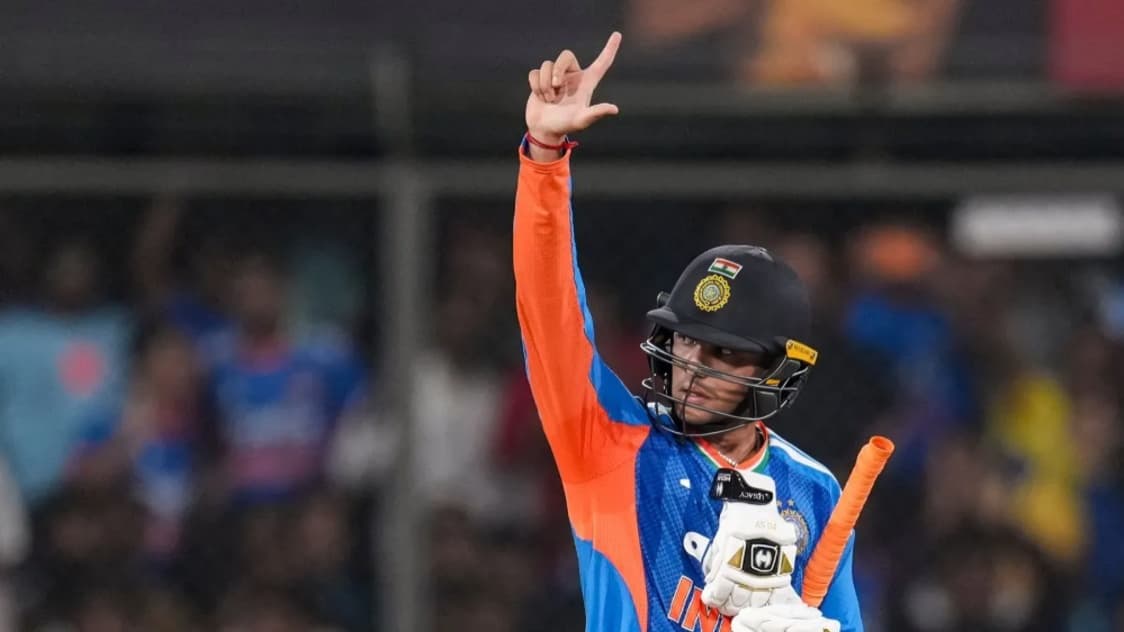
Sooryavanshi has emerged as one of the most closely followed young batters in Indian cricket. His aggressive approach in limited-overs formats has attracted widespread attention, while his performances in domestic red-ball cricket have added another dimension to discussions about his future.
Singh’s comments reflect the growing interest in how the teenager can develop his game for the longer format, where patience, technique and concentration are as important as attacking ability.
Ratan Singh Sees the Potential for Change in Red-Ball Cricket
According to the interview headline published by Sports Now, Singh believes Sooryavanshi could change the way red-ball cricket is played. His assessment comes at a time when the young batter is attracting attention beyond the formats in which he first became widely known.
Red-ball cricket requires players to adapt to changing pitch conditions, manage long spells from bowlers and build innings over several sessions. Unlike T20 cricket, where batters have limited time to score, longer-format cricket often demands careful decision-making and the ability to maintain concentration over extended periods.
Sooryavanshi’s attacking style has prompted interest in how he might combine his natural stroke play with the discipline required in first-class cricket. His progress in the format will depend on continued opportunities, technical development and experience against different bowling attacks.
Singh’s confidence highlights the expectations surrounding the teenager. However, the coach’s prediction should be understood as an assessment of Sooryavanshi’s potential rather than a guarantee of future achievements.
Fan Excitement Compared With Sachin Tendulkar’s Rise
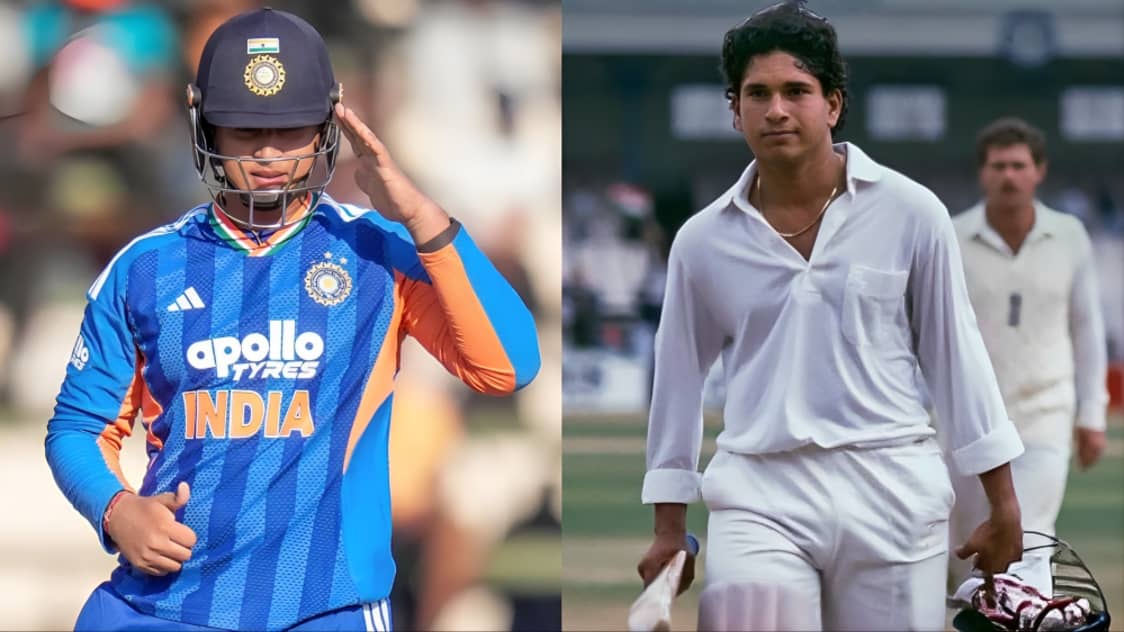
One of the notable aspects of Singh’s comments was his comparison between the public interest in Sooryavanshi and the excitement surrounding Sachin Tendulkar during his early career.
Tendulkar made his international debut for India in 1989 as a teenager and went on to become one of the most celebrated cricketers in the sport’s history. His performances across Test and one-day international cricket made him a major figure in Indian sport for more than two decades.
Sooryavanshi is now attracting a high level of attention at a young age, with fans following his performances in domestic tournaments and franchise cricket. The comparison made by Singh relates to the enthusiasm surrounding the young batter; it does not mean that their careers or achievements are identical.
The circumstances surrounding modern cricket are also different. Today's players receive immediate exposure through television, digital platforms and social media. Strong performances in a major tournament can quickly bring a young cricketer national attention.
Sooryavanshi’s popularity during the Duleep Trophy demonstrated that interest in him extends beyond the Indian Premier League. Reports from the tournament described large crowds gathering to watch him play and seek autographs during East Zone’s final against South Zone in Chennai.
Duleep Trophy Provides a Test of His Red-Ball Skills
The Duleep Trophy has provided an important opportunity for Sooryavanshi to gain experience in domestic red-ball cricket. The tournament brings together players representing different zones and gives emerging cricketers a platform to compete against established domestic talent.
Sooryavanshi was named vice-captain of East Zone for the 2026 Duleep Trophy. His selection marked an important step in his development in zonal red-ball cricket.
His performances during the tournament attracted attention. He scored 92 against Central Zone in the semi-final and followed it with 40 in the second innings, helping East Zone reach the final. Those contributions offered a glimpse of his ability to score runs in the longer format, although consistent performances across a sustained period will be necessary to establish himself as a dependable first-class batter.
The experience is significant because success in T20 cricket does not automatically translate into success in Tests. Batters must learn to leave deliveries, defend patiently, judge movement off the pitch and select the right moments to attack. Playing more first-class cricket can help Sooryavanshi strengthen these skills.
Balancing Aggression With Patience
Sooryavanshi’s attacking approach has been one of the defining features of his rise. In shorter formats, his ability to score quickly and put bowlers under pressure has helped him gain recognition.
Red-ball cricket, however, requires a broader range of batting skills. A player may need to defend for long periods before capitalising on scoring opportunities. Conditions can change during an innings, and bowlers can repeatedly target weaknesses over several spells.
For Sooryavanshi, the challenge will be to retain his natural attacking instincts while developing the judgement required for longer innings. An aggressive batter can still succeed in Test cricket, but sustained performance depends on knowing when to attack and when to preserve a wicket.
The Duleep Trophy and other first-class competitions can provide valuable experience in these areas. Regular participation will also allow selectors and coaches to assess how effectively the young batter adapts to different conditions and match situations.
Why the Attention Matters for Indian Cricket
The attention surrounding Sooryavanshi reflects the public interest in young Indian batting talent. His progress is being followed not only because of his performances in franchise cricket but also because of the possibility that he could become a significant player across formats.
Ratan Singh’s comments add to the discussion about the teenager’s long-term prospects. His optimism highlights the excitement generated by Sooryavanshi’s performances, while the comparison with Tendulkar illustrates the scale of public interest he has attracted.
Nevertheless, comparisons with legendary players can also create expectations that young cricketers must manage throughout their development. Tendulkar’s career was built over many years of international competition, and Sooryavanshi is still at an early stage of his journey.
The most important measure of his progress will be his performances over time, particularly in first-class cricket, where consistency and technical adaptability are essential.
The Road Ahead for Vaibhav Sooryavanshi
Sooryavanshi’s development in red-ball cricket will remain an important storyline as he gains further domestic experience. His performances in the Duleep Trophy have provided encouraging signs, but sustained success will require continued improvement and opportunities at higher levels.
Singh’s remarks have brought fresh attention to the possibility of Sooryavanshi influencing the future of the longer format. For now, the teenager’s challenge is to build on his existing strengths while adapting to the demands of four-day and five-day cricket.
With his attacking batting style, growing audience and experience in domestic competition, Sooryavanshi remains a player to watch. Whether he ultimately changes the way red-ball cricket is played will depend on how his talent develops over the coming years.