
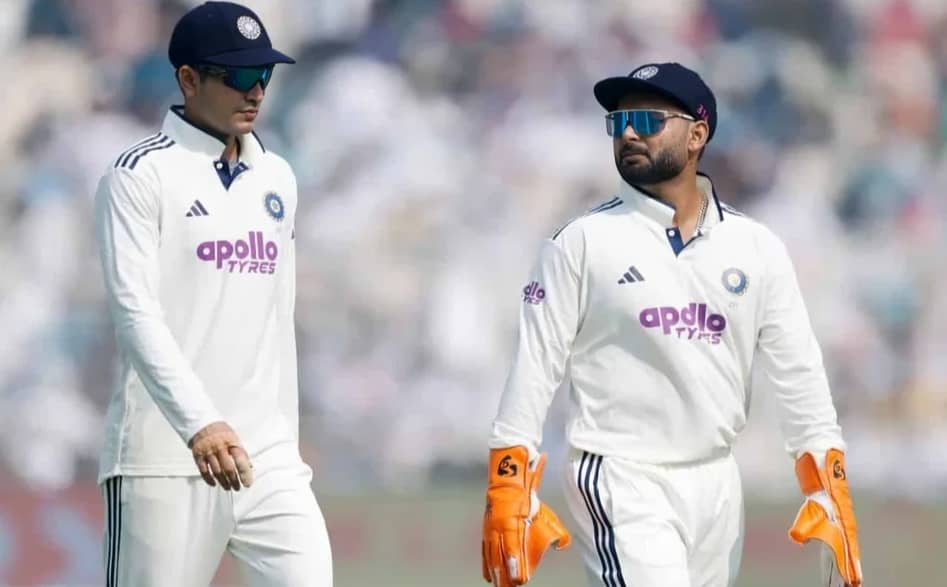
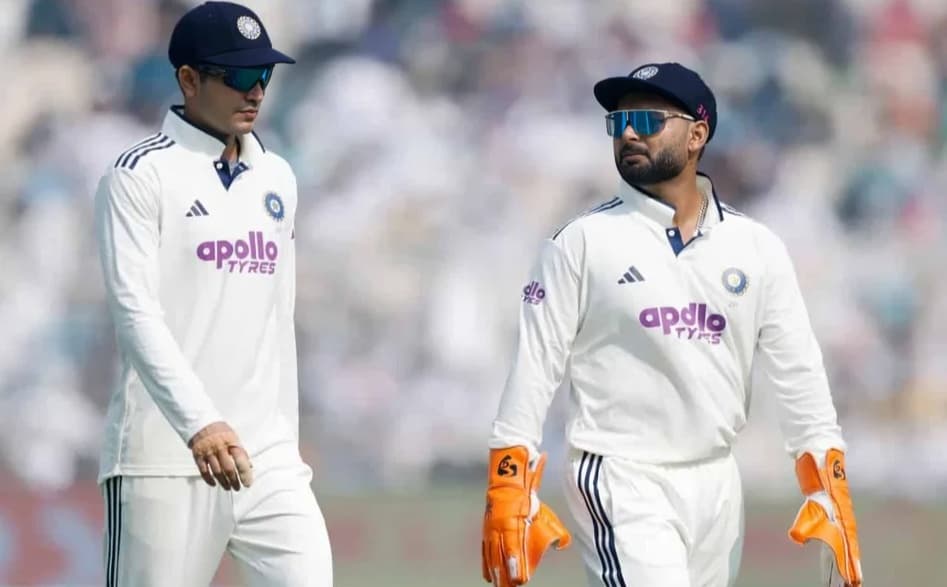
Rishabh Pant has been named India’s captain for the 2nd Test against South Africa, with Shubman Gill not assuming the leadership role. This decision has generated discussion among fans and cricket analysts, with many questioning the choice despite Gill’s strong performances and potential. Team management clarified that Pant’s prior experience and understanding of Test cricket leadership were pivotal in the selection.
Pant has previously captained India in several Test matches, demonstrating his ability to make tactical decisions, motivate the team, and handle pressure during crucial moments. His familiarity with the squad, field placements, and match situations allows for seamless decision-making, which is especially important in challenging overseas conditions. The management emphasized that continuity in leadership ensures stability, particularly when the series is closely contested and requires strategic consistency.
Shubman Gill, though a promising young batsman with significant talent and temperament, was considered better suited to focus on his batting and consolidating his form rather than taking on captaincy responsibilities. Balancing leadership duties with performance is often challenging for emerging players, and the management prefers allowing Gill to continue developing as a key batsman for India. His role remains vital, and he is expected to contribute significantly with the bat while gaining experience under Pant’s captaincy.
Cricket experts note that the decision reflects a broader strategy of nurturing leadership talent while maintaining a balance between experience and emerging skills. Pant’s aggressive yet thoughtful approach to captaincy has been tested in previous series, and his ability to adapt to opposition tactics and in-match situations makes him the preferred choice. Gill’s development continues under guidance, ensuring that he can assume leadership responsibilities more confidently in the future.
The choice of captain also has tactical implications for the match. Pant’s understanding of South Africa’s batting and bowling strengths enables India to plan field placements, bowling changes, and game strategies more effectively. As the team seeks early breakthroughs and aims to gain an advantage in the series, Pant’s decision-making skills will be crucial in managing both pace and spin attacks.
Fans and commentators have debated the decision, with opinions varying on whether giving Gill captaincy experience earlier would benefit him in the long term. However, the management’s priority is to ensure optimal team performance while gradually grooming younger players for future leadership roles. Pant’s proven ability to motivate teammates, make quick decisions, and handle pressure situations aligns with India’s strategy for the ongoing series.
In conclusion, Rishabh Pant’s appointment as India’s captain for the 2nd Test against South Africa underscores the team management’s emphasis on experience, tactical knowledge, and stability. While Shubman Gill continues to grow as a key batsman, Pant’s leadership is expected to provide India with a strategic advantage in the series. The decision highlights the balance between nurturing emerging talent and relying on proven leadership for crucial matches in high-stakes cricket.


