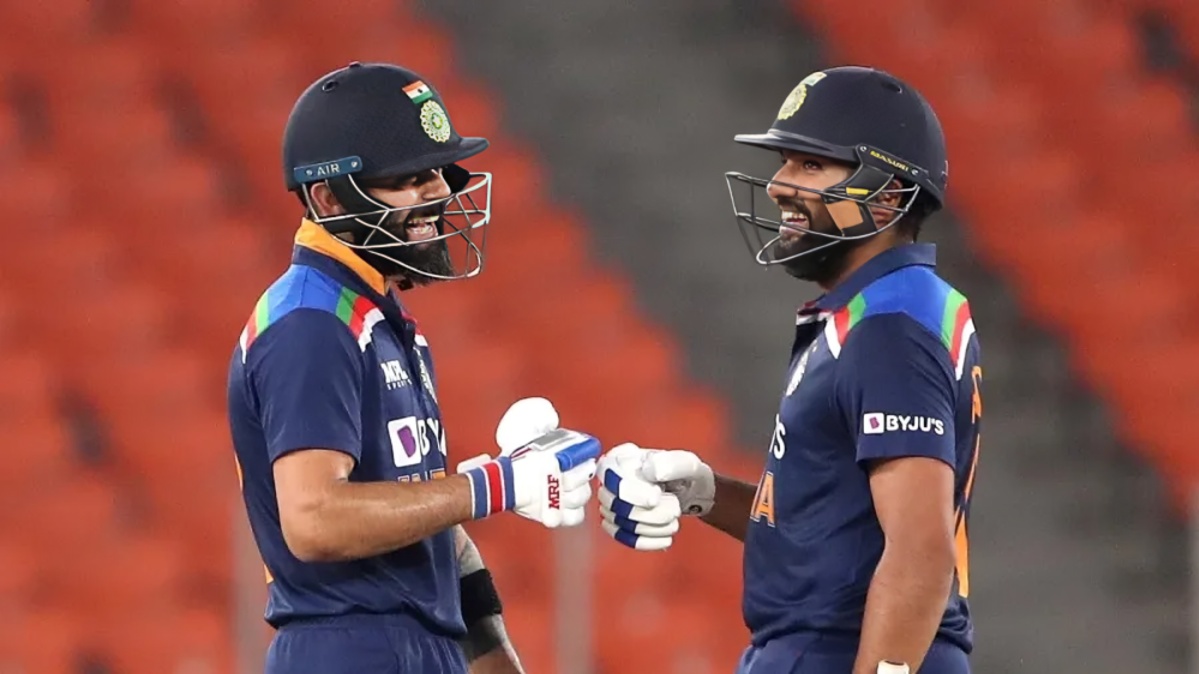
Rohit Sharma has spoken highly of Virat Kohli’s contribution to Indian Test cricket, highlighting the former captain’s influence during an important period in the team’s red-ball history.
Kohli took over as India’s permanent Test captain during the 2014 to 2015 Australia tour and went on to lead the national team for several years. His tenure lasted until January 2022, making him one of the longest-serving Test captains in Indian cricket.
According to the International Cricket Council, Kohli captained India in 68 Test matches and registered 40 victories. Those 40 wins remain the highest number recorded by an Indian Test captain, making Kohli statistically the most successful Test captain in the history of the Indian men's team.
Kohli’s leadership period was also associated with a significant change in India’s approach to Test cricket. The team developed a strong emphasis on fitness, fast bowling and competitiveness in overseas conditions. India became a consistent presence near the top of the ICC Test rankings during his captaincy.
One of the biggest achievements of Kohli’s captaincy came during the 2018 to 2019 Border Gavaskar Trophy in Australia. India defeated Australia in the four-Test series, becoming the first Indian team to win a Test series in Australia. Kohli was captain for the first Test in Adelaide before missing the remainder of the series following the birth of his first child. Ajinkya Rahane led India in the remaining matches.
India also reached the final of the inaugural ICC World Test Championship under Kohli’s leadership. Although New Zealand won that final in Southampton in 2021, reaching the title match represented another significant achievement during the period.
Kohli’s contribution was not limited to captaincy. He was also a prolific Test batter during his time as captain. The ICC records that he scored 5,864 runs in 68 Tests as captain at an average of 54.80. He scored 20 of his 27 Test centuries as India captain.
Rohit Sharma has previously spoken about the role Kohli played in his own Test career. In 2024, Rohit recalled how Kohli and former head coach Ravi Shastri backed the decision to promote him to the opening position in Test cricket.
Rohit made his Test debut in 2013 but initially struggled to establish himself as a regular in the longest format. His career changed significantly when he began opening for India in 2019. He scored 176 against South Africa in Visakhapatnam in his first Test as an opener and subsequently became an important part of India’s Test batting line-up.
Rohit credited Kohli and Shastri for trusting him with the opportunity to open. He explained that the decision required considerable confidence from the team management and that he was determined to make the most of the opportunity.
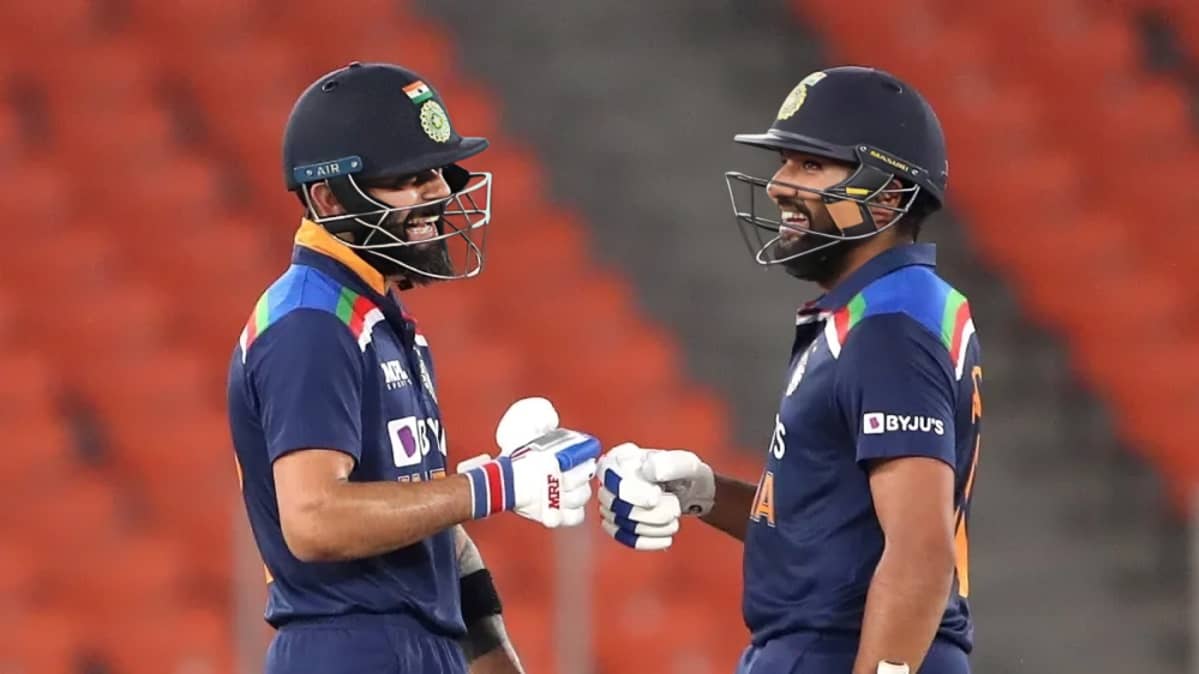
The relationship between Kohli and Rohit has also continued beyond their respective captaincy periods. Both players have occupied leadership roles for India at different times, with Kohli leading the Test side and Rohit later becoming India’s all-format captain.
Kohli recently reflected on his conversations with Rohit in an interview with JioStar ahead of India’s ODI series against the West Indies. He said their discussions over the years had focused on how to take Indian cricket forward and how the team could benefit from their combined experience.
Kohli explained that when he was captain, he would exchange ideas with Rohit, while Rohit followed a similar approach after becoming captain. He also mentioned former captain MS Dhoni in the context of these leadership discussions.
The two senior batters are now in a different phase of their international careers. Both Kohli and Rohit have retired from Test and T20 International cricket and continue to represent India in the ODI format.
Their experience remains relevant as India prepares for the 2027 ODI World Cup in South Africa, Zimbabwe and Namibia. Shubman Gill is currently leading the Indian ODI side, while Kohli and Rohit remain experienced members of the squad.
India’s transition from one leadership generation to another has made the contributions of Kohli and Rohit a recurring subject of discussion. Kohli’s Test captaincy preceded Rohit’s period as India’s all-format captain, while both players have contributed significantly as senior batters.
Kohli’s Test captaincy is particularly notable because of the results India achieved away from home. During his tenure, India recorded its first Test series victory in Australia and remained among the leading teams in the ICC Test rankings. India also won all 11 of its home Test series under Kohli’s captaincy.
The fast-bowling resources developed during this period also became an important feature of India’s Test team. Players such as Jasprit Bumrah, Mohammed Shami, Ishant Sharma and Umesh Yadav formed part of a pace group capable of operating effectively in different conditions.
Kohli’s leadership also coincided with an increased emphasis on physical fitness within the Indian team. His approach to preparation and intensity became closely associated with the team’s Test identity during his captaincy.
While captaincy records provide one way of assessing Kohli’s tenure, Rohit’s comments also highlight the interpersonal side of leadership. The former captains have shared the Indian dressing room for many years and have experienced several different phases of the team together.
Their relationship has included periods as teammates, senior players, captains and former captains. More recently, both have returned to the ODI setup as experienced players while Shubman Gill leads the side.
Kohli’s Test career eventually ended in May 2025 when he announced his retirement from the longest format. He finished with 9,230 Test runs, 30 centuries and 31 fifties in 123 matches. The ICC described him as India’s most successful Test captain while documenting the major records from his red-ball career.
Rohit also retired from Test cricket in 2025, bringing an end to his red-ball international career. Their departures marked the end of an important period for Indian Test cricket, during which both players were central figures in the batting order and leadership group.
Today, the focus has shifted toward India's next generation, but the influence of Kohli’s Test captaincy continues to be discussed. His 40 Test victories, 68 matches as captain, overseas series success and role in establishing India as a strong Test side remain important parts of his leadership record.
Rohit Sharma’s praise therefore adds to the recognition of Kohli’s contribution from within the Indian cricket setup. Their careers have overlapped for more than a decade, and their leadership periods have played different but connected roles in India’s transition across formats.
As India prepares for the 2027 ODI World Cup, the two former captains are now contributing as senior members rather than as leaders of the Test or T20I sides. Their experience continues to be part of the wider Indian cricket environment, while the current leadership responsibilities rest with a new generation.