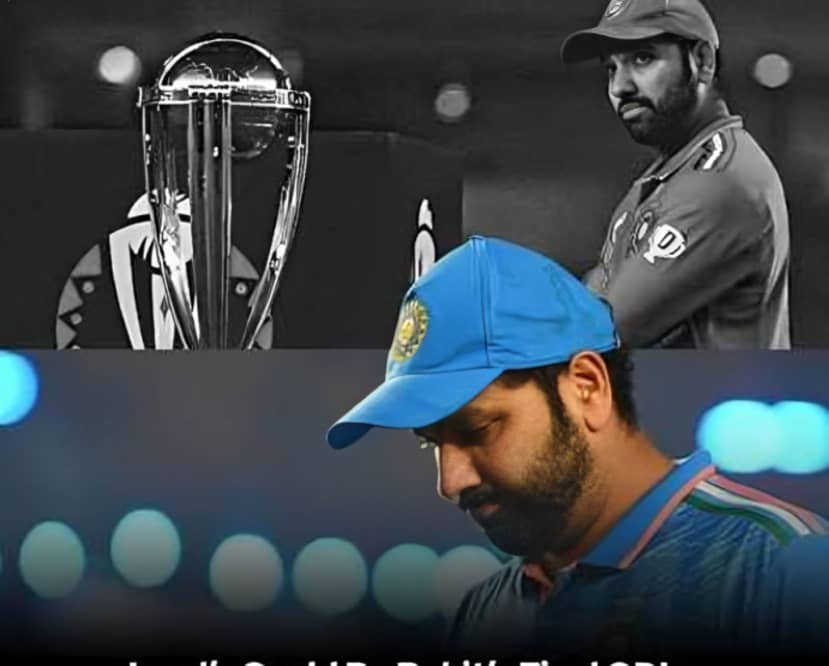
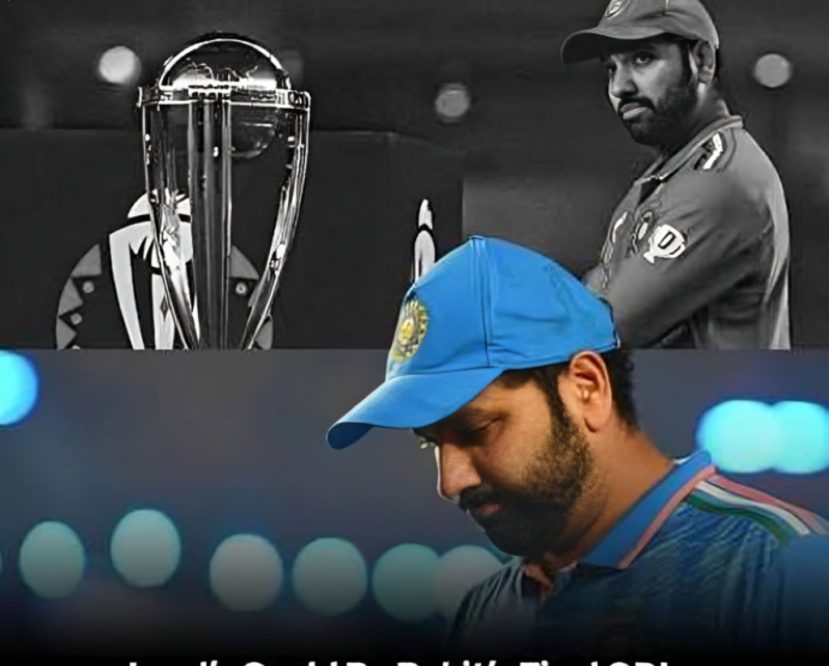
Rohit Sharma’s future in One Day International cricket has once again become a major talking point as Indian cricket prepares for the 2027 ODI World Cup.
The former India captain remains one of the most experienced players in the national team, but questions over his long term place in the ODI setup have increased following reports about the selectors’ plans.
According to recent media reports, Rohit was informed during India’s 2026 England tour that he was not part of the selectors’ plans for the 2027 ODI World Cup. The report claimed that the message left the veteran batter unhappy and that he was prepared to consider retirement from the format. However, these details remain based on media reports and have not been publicly confirmed by Rohit himself.
The situation reportedly changed after Rohit produced a memorable performance in the third ODI against England at Lord’s. His century in that match strengthened the argument that he could still contribute at the highest level and created further discussion about whether India should continue with him as part of its ODI plans.
Rohit had already retired from Test cricket and T20I cricket, leaving ODI cricket as his only remaining international format. His future in the 50 over game has therefore attracted considerable attention, particularly with the next ODI World Cup scheduled for 2027.
The BCCI is now examining the broader structure of the Indian ODI team. Recent reports indicate that the board has been discussing the roadmap towards the 2027 World Cup, including leadership succession, player performance and the future of senior members of the squad.
Rohit’s situation is particularly complicated because of his experience and record. He has played a central role in Indian cricket for more than a decade and has been one of the country’s most successful ODI batters. His leadership also played a major role during India's run to the 2023 ODI World Cup final.
At the same time, selectors must consider the future of the team several years before the next World Cup. Building a squad for a major tournament requires planning for player fitness, form, age, workload and the development of younger alternatives.
This has reportedly created different considerations for Rohit, Virat Kohli and Ravindra Jadeja. All three have significant experience in international cricket, but their individual situations and roles within the ODI team are not necessarily identical.
Kohli continues to be an important part of India’s ODI batting plans, while Jadeja offers experience as an all rounder. Rohit’s position has attracted greater uncertainty because of questions surrounding his future availability and the selectors’ long term planning.
Reports in July had already suggested uncertainty about Rohit’s ODI career. At that time, speculation grew that the Lord’s ODI against England could be his final appearance for India. BCCI Secretary Devajit Saikia subsequently dismissed retirement speculation, indicating that there was no official confirmation that Rohit would retire from ODI cricket.
That public position is important when assessing the latest reports. While reports may describe conversations between players, selectors and officials, a player’s retirement can only be treated as confirmed when the player or the relevant cricket authority officially announces it.
Rohit’s century at Lord’s also changed the sporting discussion. A player facing questions about his future responded with a major innings in a high profile international match. The performance demonstrated that he remained capable of producing significant contributions against strong opposition.
However, one innings alone cannot determine a player’s place in a future World Cup squad. The selectors are likely to consider performances across multiple matches, fitness, consistency and the development of the wider ODI team before making long term decisions.
India’s preparation for the 2027 World Cup will involve identifying a balanced squad capable of competing over an entire tournament. The team will need reliable opening options, a strong middle order, quality all rounders, wicketkeeping depth and a varied bowling attack.
The transition between experienced players and younger members will therefore be one of the central issues for the selection committee. Retaining senior players can provide stability and experience, while introducing younger players can help establish the core of the team for the future.
Rohit’s experience could be particularly valuable in that transition. He has played in multiple World Cups and understands the demands of international tournaments. His knowledge of conditions, opposition and tournament preparation could benefit younger players.
However, the selectors must also make decisions based on the team’s future requirements rather than reputation alone. If younger players demonstrate consistent performances, the selection committee may have to determine how best to integrate them into the ODI setup.
The recent discussions therefore appear to be part of a larger review rather than an immediate decision on Rohit’s retirement. The BCCI is looking at India’s ODI roadmap and the structure required for the 2027 World Cup.
Another important factor is leadership. Rohit previously led India in the ODI format, while Shubman Gill has emerged as a key figure in India’s current leadership structure. The transition from one generation to another will require careful planning to ensure that experience and youth are balanced.
The selectors may also need to manage the workload of senior players. International cricket schedules remain demanding, and players approaching the later stages of their careers may require carefully planned appearances to remain physically fresh.
For Rohit, the immediate focus will be on continuing to perform if he remains available for selection. His recent century has strengthened his case from a performance perspective, but his long term World Cup prospects will depend on future selection decisions.
The reported message from the selectors has added another layer to the situation. If the reports are accurate, it suggests that discussions about Rohit’s future were already taking place internally before his Lord’s performance.
However, it would be premature to conclude that Rohit has decided to retire or that the selectors have definitively ruled him out of the 2027 World Cup. Neither position has been officially established based on the reports currently available.
The BCCI’s review of the ODI team is likely to continue as India builds towards the next World Cup cycle. The board and selection committee will have to assess senior players while simultaneously creating opportunities for the next generation.
For Indian cricket supporters, Rohit’s future remains one of the most closely watched selection questions. His contribution to Indian ODI cricket is substantial, but the team’s long term requirements will ultimately determine whether he remains part of the World Cup plans.
For now, the situation should be viewed as an ongoing selection and planning discussion rather than a confirmed retirement decision. Rohit’s performances, fitness and availability will remain important factors, while the BCCI and selectors continue to shape India’s ODI strategy for 2027.
The coming ODI assignments are likely to provide more clarity. If Rohit continues to perform consistently, the debate over his World Cup prospects could remain open. If the selectors decide to accelerate the transition towards younger players, his international ODI career could move towards its final phase.
Until an official announcement is made, reports about retirement should therefore be treated cautiously. What is confirmed is that Rohit Sharma’s ODI future is being closely examined as India begins planning for the 2027 World Cup.