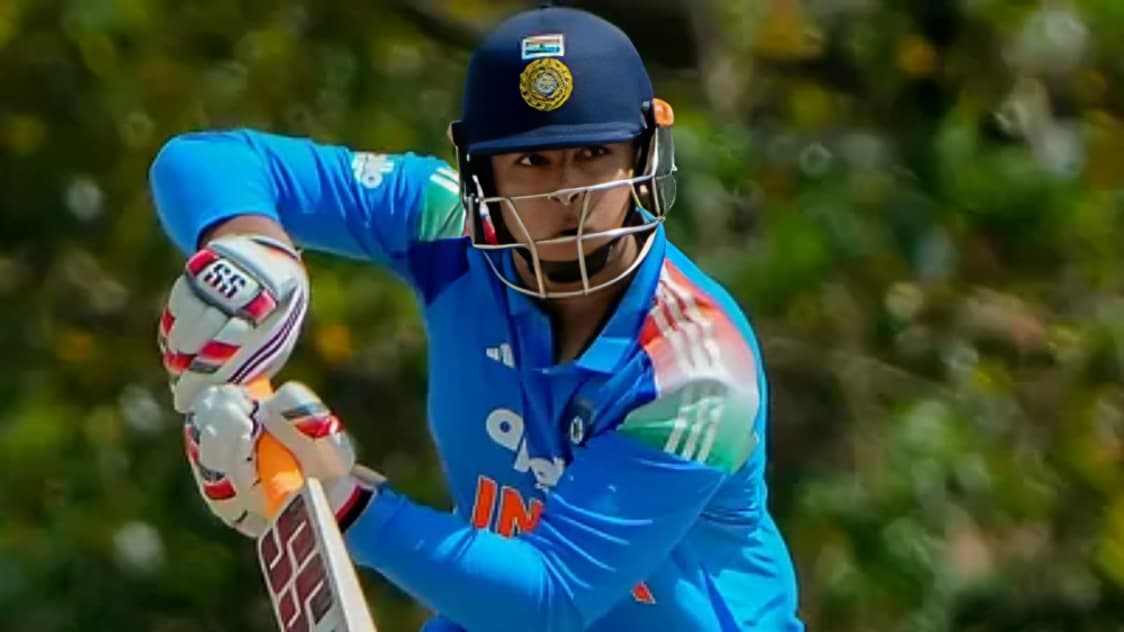
Former Indian cricket captain and iconic batsman Sunil Gavaskar has made headlines with his sharp criticism of the Indian Premier League’s (IPL) “Impact Player” rule. Gavaskar expressed concern that this particular rule may have been created to benefit individual players, including MS Dhoni, and argued that it could pose a serious threat to the development of Indian cricket.
Gavaskar’s comments were made during a recent discussion on a sports network, where he evaluated the effect of this relatively new regulation on team dynamics and the larger cricketing structure. The “Impact Player” rule allows teams to substitute one player during a match, essentially giving franchises more flexibility in team combinations and match strategies.
While the rule was originally introduced to bring more tactical depth to the game, Gavaskar believes it may be unintentionally prioritizing popular players at the cost of nurturing young talent. According to him, such flexibility can allow teams to keep older or less versatile players in the squad by shielding them from fielding or bowling duties—something he hints could be used to accommodate MS Dhoni, who is in the final years of his playing career.
"The rule is questionable. If it allows a player to bat and then not take the field or vice versa, it gives an unfair advantage. It’s not the spirit of a team sport,” Gavaskar reportedly said. He added that while Dhoni’s presence boosts viewership and fan interest, cricketing rules should serve the sport's future and not individual legacies.
Industry and Fan Reactions
Gavaskar's comments have ignited mixed reactions among fans and analysts. Some support his viewpoint, expressing concerns about the rule’s impact on upcoming players who may lose match time to experienced but aging stars. Others argue that the rule adds strategic excitement and that criticism should not be centered around one player, regardless of their stature.
IPL organizers have maintained that the Impact Player rule is meant to add flexibility and engagement for fans, and that it is still in a trial phase subject to review after comprehensive feedback from teams, players, and viewers.
Impact on Team Selection and Young Players
One of the major concerns Gavaskar raised was how this rule could discourage teams from giving consistent chances to young all-rounders and developing players. In his view, removing the need to field players who can contribute in both departments might reduce the need to invest in balanced skill development across the squad.
Conclusion
Sunil Gavaskar's criticism has opened up a wider debate on the future of cricket formats in India. As the IPL continues to evolve, his concerns highlight the importance of aligning innovations with long-term player development and fairness. Whether or not the Impact Player rule sees revision in upcoming seasons, Gavaskar’s remarks are a reminder of the need to balance entertainment value with the sport’s integrity.