
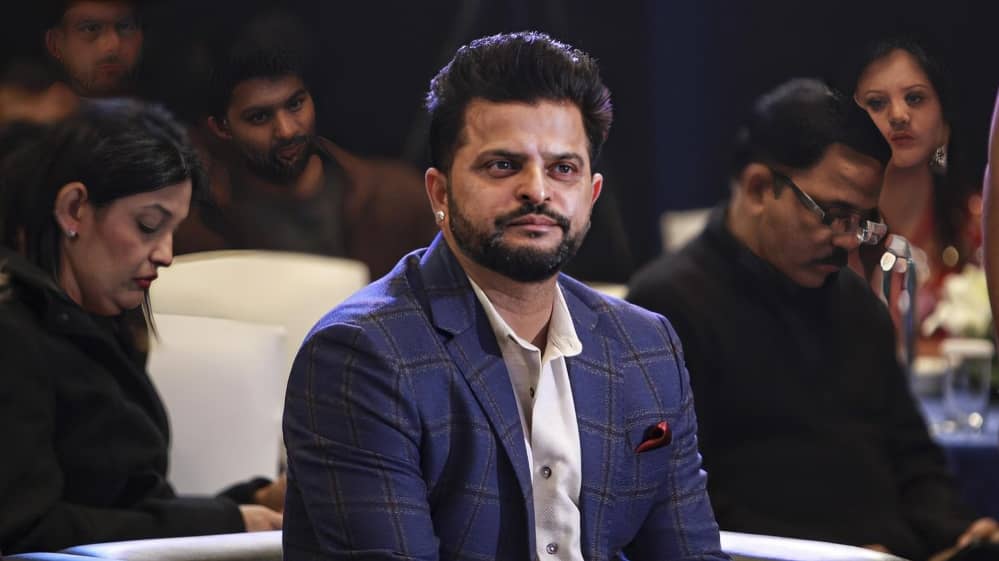
Former Indian cricketer Suresh Raina has publicly defended Gautam Gambhir amid criticism related to chaotic incidents in a recent Test match. Raina highlighted that while coaches can provide guidance, it is ultimately the players who determine how events unfold on the field. His comments aim to clarify the distinction between coaching input and player responsibility, emphasizing that decision-making in high-pressure situations rests primarily with the athletes themselves.
Raina’s defense of Gambhir comes at a time when debates around team management and strategy are intensifying. Critics have questioned the handling of certain moments during the Test match, attributing some of the confusion and chaos to perceived lapses in leadership or guidance. However, Raina argued that Gambhir, a seasoned cricketer and former captain, has consistently demonstrated his ability to manage on-field situations and make informed decisions under pressure.
According to Raina, the role of a coach is to mentor, advise, and prepare players for various scenarios, but execution on the ground remains the players’ responsibility. He stated that even with expert coaching, unpredictable situations can arise, requiring quick thinking and adaptability from the players themselves. This perspective underscores the complex dynamics between coaching staff and players in international cricket, where strategic input must be balanced with player autonomy.
Gambhir, a former captain of the Indian Test and limited-overs teams, has earned respect for his contributions to Indian cricket, including key performances in World Cups and critical series victories. Raina’s comments reaffirm Gambhir’s reputation as a leader who has consistently provided guidance and motivation to teammates, even amidst challenging circumstances. By defending Gambhir, Raina also emphasizes the importance of acknowledging the collective responsibility of a team, rather than attributing blame solely to individuals or coaching staff.
Cricket analysts note that such debates are common when high-profile matches feature unexpected incidents or controversies. The interplay between coaching advice and player decisions is often scrutinized in post-match discussions, particularly in situations where the outcome is unfavorable. Raina’s perspective reinforces the idea that effective cricket management relies on both strong guidance and the ability of players to interpret and respond to evolving match conditions.
In conclusion, Suresh Raina’s defense of Gautam Gambhir highlights the critical distinction between the roles of coaches and players in cricket. While coaches provide strategies and mentorship, players ultimately execute on the field, making decisions that can shape the outcome of a match. Raina’s comments serve as a reminder of Gambhir’s experience, leadership, and enduring contributions to Indian cricket, while also sparking broader discussions about accountability, team dynamics, and decision-making in high-pressure sporting scenarios.


