
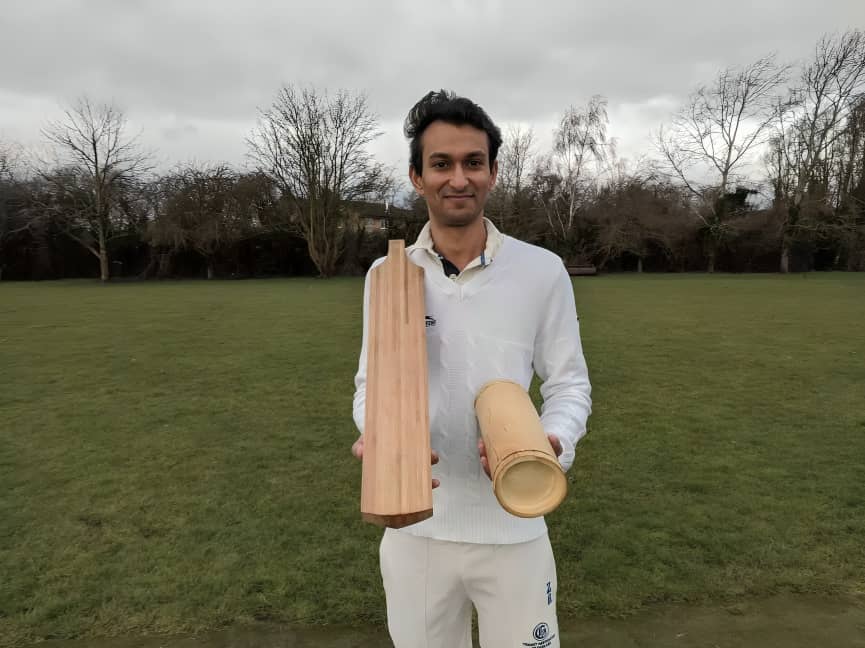
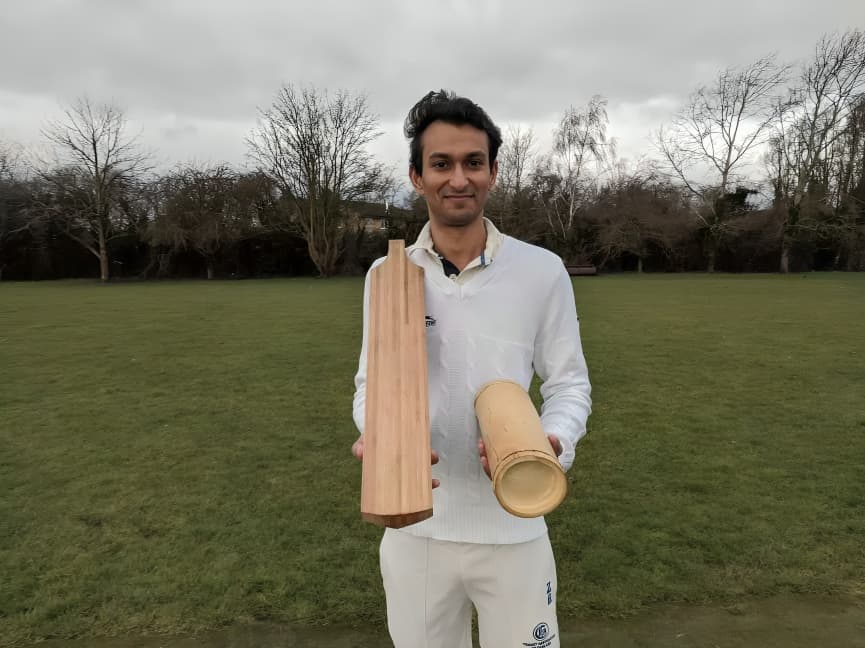
Vadodara, a city known for its industrial and educational innovation, is currently experimenting with the production of bamboo cricket bats as a sustainable alternative to traditional willow bats. The initiative aims to address environmental concerns associated with cricket equipment manufacturing while maintaining performance standards expected by players.
Traditional cricket bats are primarily made from willow, which requires the harvesting of specific tree species. The growing demand for cricket equipment has put pressure on these resources, leading to ecological challenges. Bamboo, being a fast-growing and renewable material, presents an environmentally friendly solution. It is abundant, lightweight, and has natural strength and flexibility, making it a suitable candidate for sports equipment.
In Vadodara, local entrepreneurs, sports equipment manufacturers, and researchers have come together to test the feasibility of bamboo cricket bats. The experiment includes assessing various factors such as weight, balance, grain alignment, durability, and responsiveness to ensure that the bats can meet professional standards. Early tests indicate that bamboo bats can provide performance comparable to willow bats while offering a longer lifespan due to bamboo’s natural resilience.
The project has garnered attention from cricket enthusiasts and environmental advocates alike. Coaches and amateur players participating in trial sessions have reported positive experiences, noting that the bamboo bats are easier to handle and generate impressive hitting power. Additionally, the bats are being crafted with locally sourced bamboo, supporting regional industries and promoting sustainable manufacturing practices.
Beyond performance, the initiative highlights the broader goal of sustainability in sports. By reducing dependence on traditional timber, the bamboo bat experiment contributes to forest conservation and encourages awareness about eco-friendly alternatives. If adopted widely, bamboo cricket bats could significantly lower the carbon footprint of cricket equipment production in India and internationally.
The project in Vadodara also includes educational components. Workshops and demonstrations for students and local craftsmen are being organized to train them in bamboo processing, shaping, and finishing techniques. This effort not only builds local skill sets but also inspires the next generation of innovators to explore environmentally conscious solutions in sports and manufacturing.
As the experiment progresses, researchers are documenting findings related to material behavior, durability under different weather conditions, and user feedback. These insights will inform potential mass production and commercial distribution of bamboo bats. The goal is to create an eco-friendly alternative that does not compromise on quality or player experience.
Vadodara’s bamboo cricket bat initiative represents a unique blend of innovation, sustainability, and sports culture. It demonstrates how traditional games like cricket can adapt to modern environmental challenges without losing their essence. By exploring renewable materials and local production methods, the city is positioning itself as a pioneer in sustainable sports equipment, inspiring similar efforts across India.


