
The debate surrounding FIFA's withdrawn World Cup sell off proposal continues to shape discussions within international football, with Argentina and Mexico expressing support for FIFA President Gianni Infantino while UEFA maintains its opposition to the initiative.
Although FIFA officially withdrew the proposal in late July, reactions from football governing bodies across the world have continued. The differing responses highlight varying perspectives on football governance, commercial strategies and the future direction of the sport at the international level.
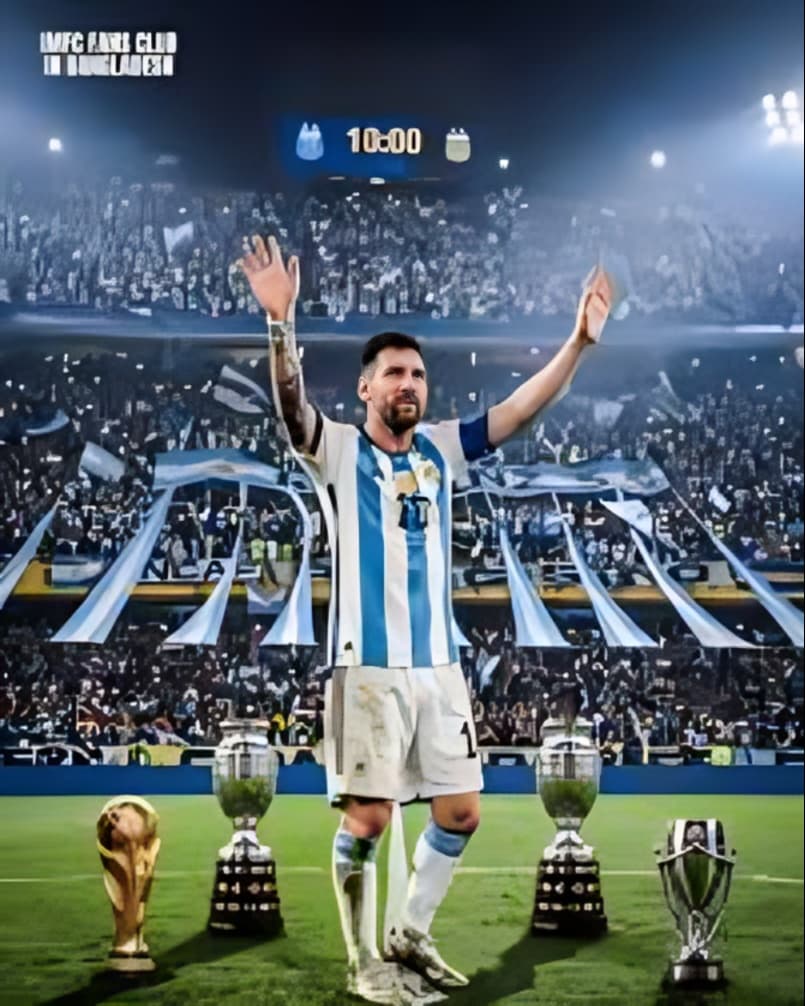
The football associations representing Argentina and Mexico have reaffirmed their confidence in Gianni Infantino's leadership, emphasizing the importance of maintaining stability within FIFA and continuing the organisation's long term development initiatives. Both associations have indicated their willingness to work closely with FIFA on projects aimed at expanding football, improving infrastructure and supporting the growth of the game globally.
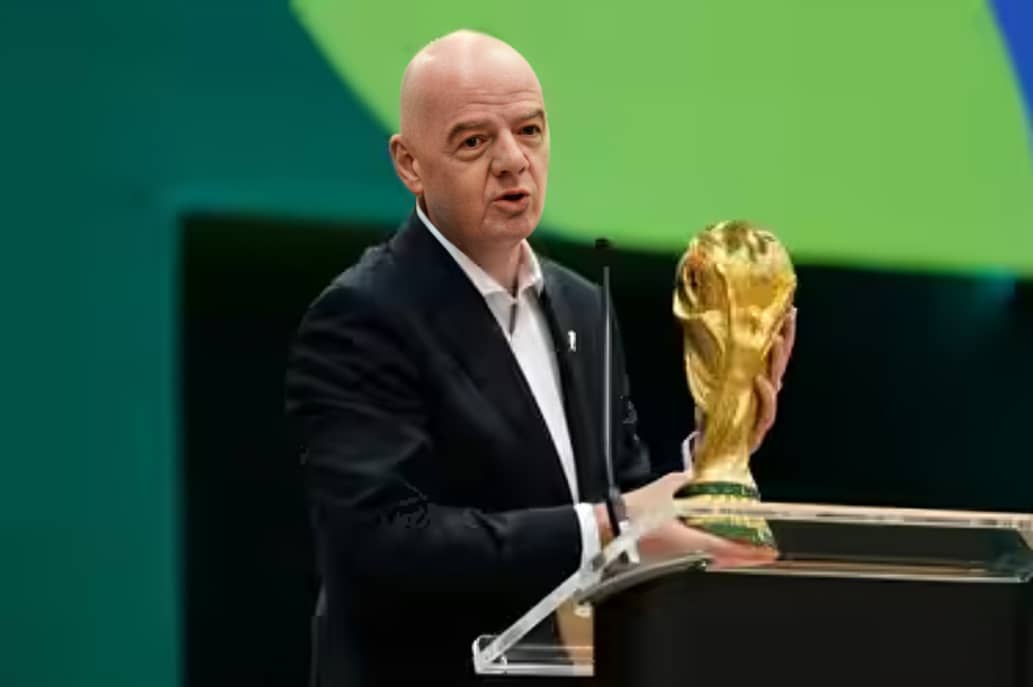
Gianni Infantino, who has served as FIFA President since 2016, has overseen several major reforms during his tenure. These include expanding international tournaments, increasing financial support for member associations, promoting women's football and investing in grassroots development programmes. His administration has also introduced initiatives designed to strengthen football development in emerging markets.
Despite these achievements, some FIFA proposals have generated debate among football stakeholders. The recently withdrawn World Cup sell off proposal became one of the most widely discussed issues, drawing responses from continental confederations, national associations, clubs and football administrators.
UEFA has remained one of the strongest critics of the proposal. Officials from the European governing body have continued to express concerns about the potential impact of such commercial initiatives on football governance and the long term interests of the sport. Reports have also suggested that UEFA discussed the possibility of stronger measures, including references to a potential boycott, although no such action has been officially implemented.
The contrasting positions adopted by Argentina, Mexico and UEFA illustrate the diversity of opinion that exists within global football administration. While some member associations have chosen to publicly support FIFA's leadership, others continue to seek greater consultation and transparency before major commercial decisions are introduced.
Football governance often involves balancing sporting priorities with commercial opportunities. As the world's governing body, FIFA works with more than two hundred national associations, each representing different football systems, economic conditions and development priorities. Reaching consensus on major policy decisions can therefore be a complex process.
Industry experts note that open dialogue between FIFA, continental confederations and national associations remains essential for maintaining unity within international football. Constructive discussions help ensure that future decisions reflect the interests of players, clubs, supporters and governing bodies alike.
The withdrawal of the proposal demonstrates FIFA's willingness to reconsider plans following widespread feedback from stakeholders. Many observers believe that future commercial initiatives are likely to involve broader consultation with football organisations before formal approval.
Attention is now expected to shift toward FIFA's ongoing competitions, development programmes and preparations for upcoming international tournaments. At the same time, discussions regarding governance, financial sustainability and commercial partnerships are likely to remain important topics within the global football community.
The support expressed by Argentina and Mexico reinforces Gianni Infantino's backing among several member associations, while UEFA's continued criticism reflects the ongoing debate over how major decisions should be made within world football. As international football continues to evolve, cooperation, transparency and dialogue will remain key factors in maintaining confidence among stakeholders and ensuring the long term growth of the sport.