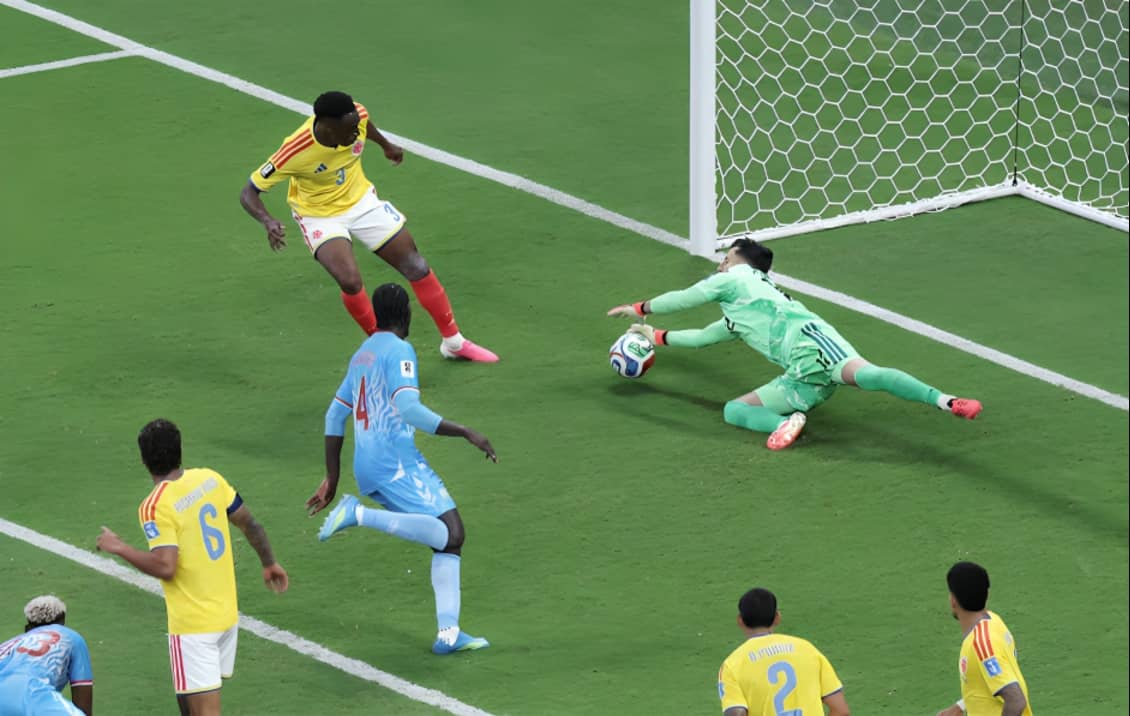
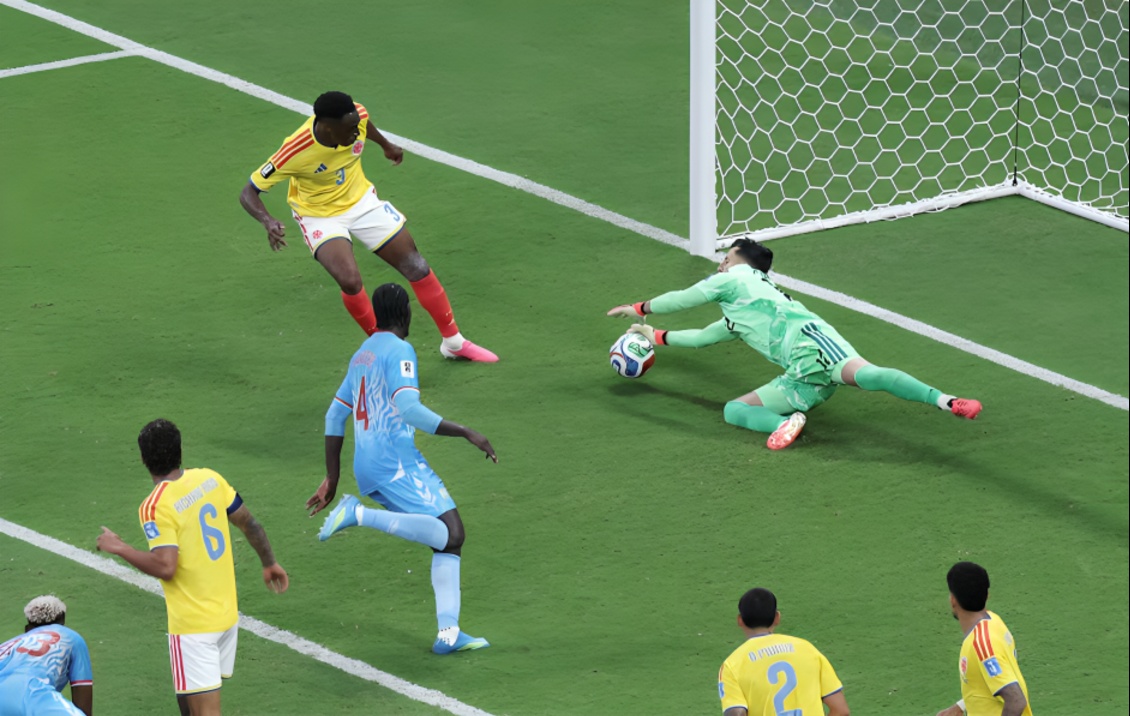
Colombia strengthened its FIFA World Cup 2026 campaign with a hard-fought 1-0 victory over DR Congo in Guadalajara, securing qualification for the knockout stage and reshaping several potential tournament scenarios. The result not only advanced Colombia to the next round but also affected the pathway of multiple teams, including the possibility of a much-discussed encounter between two of football's greatest players, Lionel Messi and Cristiano Ronaldo.
The match was closely contested, with Colombia displaying discipline and tactical organization to secure the narrow victory. The win proved sufficient to guarantee progression from the group stage and placed the South American side in a favorable position heading into the knockout rounds.
Beyond Colombia's achievement, the result has attracted global attention because of its impact on the tournament bracket. Football fans around the world had been speculating about a possible World Cup meeting between Argentina captain Lionel Messi and Portugal captain Cristiano Ronaldo. Such a clash would have represented one of the most anticipated fixtures in modern football history.
Messi and Ronaldo have dominated world football for nearly two decades, winning numerous domestic and international titles while setting records across multiple competitions. Their rivalry has captivated audiences worldwide, making any potential meeting between their national teams a major talking point.
However, World Cup tournaments are heavily influenced by group-stage outcomes and knockout-stage pathways. Colombia's victory has altered the structure of potential matchups, making a direct encounter between Argentina and Portugal more complicated than previously anticipated. While the possibility has not necessarily been eliminated, the route required for both teams to meet has become more challenging.
Tournament analysts often emphasize that World Cup brackets can change dramatically following a single result. Qualification positions, goal differences, and knockout pairings frequently determine whether major teams face each other earlier or later in the competition. Colombia's success against DR Congo is a clear example of how one result can influence the broader tournament narrative.
For Colombia, the focus remains on continuing its progress in the competition. The team has demonstrated resilience and consistency throughout its campaign and will now look to build momentum as it prepares for the challenges of the knockout rounds. Strong defensive performances and disciplined tactical execution have been among the team's key strengths.
Meanwhile, both Argentina and Portugal continue their respective quests for World Cup success. Messi and Ronaldo remain central figures within their squads, providing leadership, experience, and quality despite being among the most experienced players in international football. Their performances continue to attract significant attention from supporters and media worldwide.
Football experts note that while fans often focus on dream matchups, teams must first navigate a series of difficult opponents before reaching the latter stages of a major tournament. As a result, potential clashes between star players depend on numerous variables beyond individual performances.
The FIFA World Cup 2026 has already produced several dramatic moments, and the knockout stage is expected to deliver further excitement. With Colombia now safely through to the next round, the competition's landscape continues to evolve, creating new possibilities and altering expectations.
As the tournament progresses, supporters will closely watch whether the paths of Messi and Ronaldo eventually converge. For now, Colombia's victory over DR Congo has become one of the key results influencing the road ahead in the race for football's most prestigious international trophy.