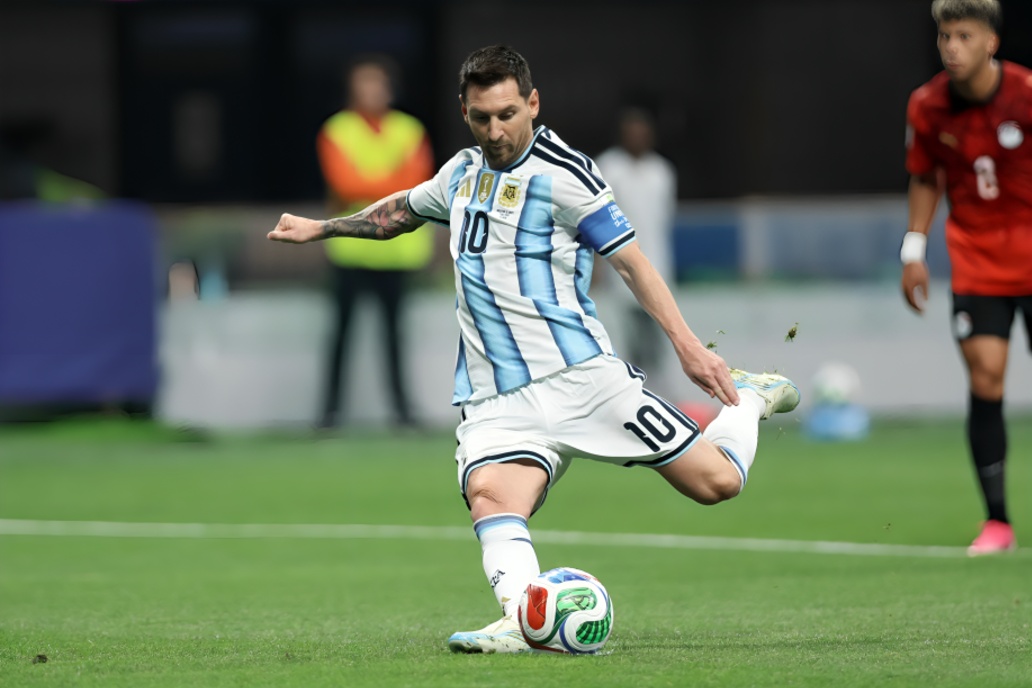
A report linked to the FBI has brought attention to security threats reportedly involving football superstars Lionel Messi and Cristiano Ronaldo during the FIFA World Cup. The revelations highlight the challenges authorities face when protecting globally recognised athletes during major international sporting events.
According to the report, Messi was the subject of multiple threats during the tournament. Among the reported incidents was an alleged bomb threat that raised concerns about the safety of the Argentina captain and those around him.
The report also refers to security concerns involving Cristiano Ronaldo. Fans reportedly attempted to gain access to accommodation associated with the Portugal star, creating additional challenges for security personnel responsible for protecting players during the competition.
The incidents demonstrate the level of attention surrounding some of the world's most famous footballers. Messi and Ronaldo have enormous international fan bases, and their presence at major tournaments attracts spectators, media organisations and supporters from around the world.
While most fans attend matches and public events peacefully, security agencies must also prepare for individuals who may attempt to cross established boundaries or create threats. Protecting high profile players therefore requires detailed planning and coordination between tournament organisers, local authorities and security teams.
The reported threats involving Messi are particularly significant because footballers of his profile often attract intense public attention throughout major tournaments. As the captain and leading figure of the Argentina team, Messi's movements can become widely known, making security arrangements more complicated.
The alleged bomb threat mentioned in the report represents one of the more serious forms of security concern. Any threat involving explosives must be assessed carefully by authorities, even when its credibility has not been established.
Security agencies generally evaluate such reports before determining whether additional protective measures are necessary. The process can involve intelligence gathering, risk assessments and coordination with local law enforcement agencies.
The report's reference to Ronaldo also illustrates another aspect of celebrity security. Fans can sometimes attempt to approach players outside official public areas, including hotels and team accommodation. Such situations can create risks because unrestricted access can make it difficult for security personnel to distinguish between genuine visitors and individuals with harmful intentions.
For international sporting events, player accommodation is therefore typically protected through controlled access, security personnel and monitoring systems. The objective is to allow athletes to rest and prepare for matches without unnecessary disruption.
The revelations also demonstrate how the popularity of football can create unique security challenges. Major tournaments attract millions of viewers and large numbers of travelling supporters, increasing the number of people in host cities and around team locations.
The presence of globally recognised athletes adds another layer to the security challenge. Players such as Messi and Ronaldo are known far beyond football, meaning that their movements can attract attention from people who may not even be attending the tournament.
The report does not mean that every threat was considered credible or that every reported incident resulted in an actual attack. Threat assessments are conducted precisely to determine whether reported information represents a genuine danger.
Nevertheless, the existence of such reports highlights the importance of preventive security measures. Authorities must prepare for a wide range of potential risks before and during major sporting competitions.
The safety of players is also important for the integrity of the tournament. Teams need to be able to train, travel and compete without being subjected to unnecessary security risks.
For Messi, the reported threats occurred during a period when attention on Argentina was already extremely high. His status as one of the most recognisable players in football meant that his activities were closely followed throughout the competition.
Ronaldo similarly attracts enormous international attention whenever he represents Portugal. The reported attempts by fans to reach his accommodation show how difficult it can be to maintain privacy and security for athletes with such large global followings.
The incidents also highlight the responsibility of supporters. Fans can demonstrate their admiration through legitimate channels, but attempting to enter restricted areas or approach players without authorisation can create safety concerns.
Security arrangements at major sporting events are designed not only to protect athletes but also to safeguard fans, staff, officials and members of the public.
The reported FBI linked material therefore provides an insight into the security environment surrounding some of football's biggest stars. It shows that the risks faced by elite athletes extend beyond the pitch and can involve threats, unauthorised access attempts and other security concerns.
Major sporting organisations increasingly rely on intelligence sharing and coordinated security planning to address these risks. Host authorities, tournament organisers and national security agencies may work together to assess potential threats and protect participating teams.
The revelations involving Messi and Ronaldo are a reminder that international sporting events require extensive security preparation. The global popularity of football means that athletes can become targets of unwanted attention even when they are away from stadiums.
Ultimately, the reported incidents underline the importance of maintaining strong security protocols throughout major tournaments. While the vast majority of football supporters simply want to watch their teams and favourite players, authorities must remain prepared for exceptional situations.
The report has therefore renewed discussion about the security challenges surrounding high profile footballers and the measures required to protect them. Messi and Ronaldo remain among the most recognisable figures in world sport, and their participation in major tournaments naturally brings additional security responsibilities for organisers and authorities.