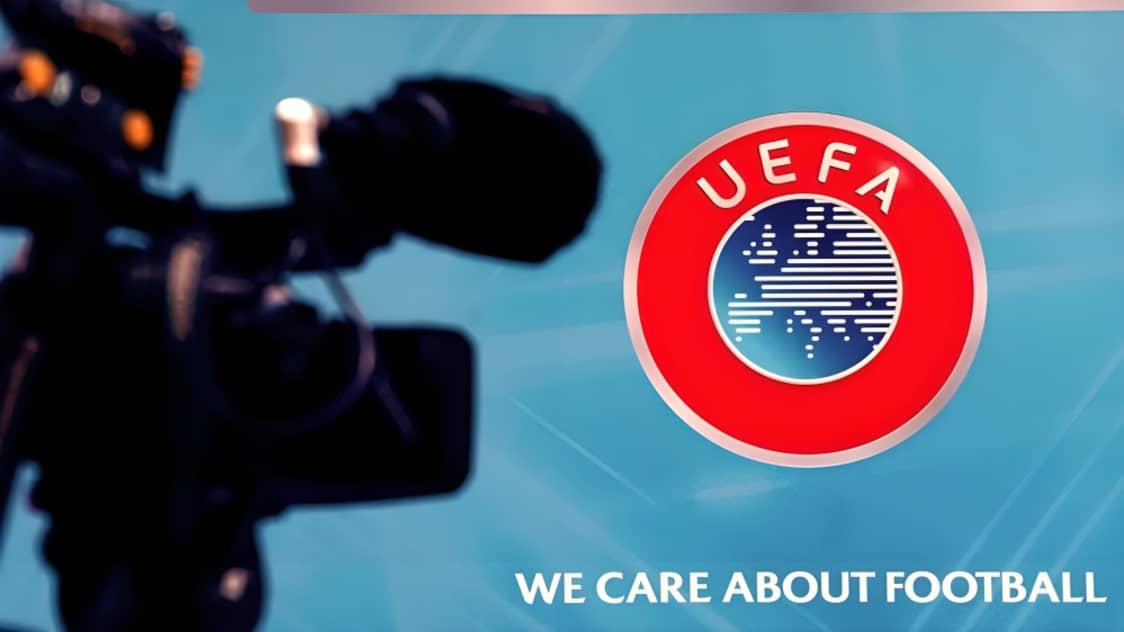

The relationship between FIFA and UEFA has once again come under the spotlight following reports of growing differences over FIFA's reported plans to expand private investment in some of its football competitions. According to multiple reports, several UEFA member associations have expressed concerns about the direction of the proposal, arguing that significant structural changes to football competitions should be discussed collectively before implementation.
While some reports have suggested that opposition from UEFA could lead to wider disputes, no official decision regarding a boycott or withdrawal from FIFA competitions has been announced. Both organisations continue to play central roles in the governance of international football.
FIFA serves as the global governing body for football and is responsible for organising major international tournaments, including the FIFA World Cup. UEFA governs European football and oversees competitions such as the UEFA Champions League, UEFA Europa League, and the UEFA European Championship. Although both organisations frequently cooperate, they have occasionally differed on issues involving tournament scheduling, commercial rights, governance, and competition formats.
The latest discussions reportedly centre on FIFA's interest in attracting greater private investment into certain football competitions. Supporters of the proposal believe additional investment could increase commercial revenue, improve tournament infrastructure, enhance fan engagement, and create new opportunities for the global growth of the sport.
However, reports indicate that several UEFA member associations have raised concerns about the long term implications of private investment. They argue that football's sporting traditions, competitive balance, and governance structure should remain the primary focus rather than commercial interests. Some officials have reportedly called for greater transparency and consultation before any significant reforms are introduced.
Another concern relates to the already crowded international football calendar. Clubs, national associations, players, and governing bodies have frequently debated the growing number of tournaments and international fixtures. Many stakeholders believe that additional commercial competitions could place further physical demands on players while creating scheduling challenges for domestic leagues and continental tournaments.
Football governance experts note that disagreements between FIFA and UEFA are not new. In recent years, the organisations have expressed different views on subjects including the expansion of international tournaments, the scheduling of the FIFA Club World Cup, international match calendars, and proposals concerning new competition formats.
Despite these differences, analysts believe that both FIFA and UEFA have a strong incentive to continue working together. International football depends on cooperation between global and continental governing bodies to organise tournaments, establish regulations, maintain player eligibility rules, and coordinate the international football calendar.
At present, there has been no official confirmation that UEFA's member associations intend to boycott FIFA competitions. Reports describing a possible boycott remain speculative unless formal decisions are announced by the relevant football authorities.
Industry observers also point out that investment from private organisations has become increasingly common across global sport. Football clubs, leagues, and competitions have attracted investment from institutional investors, private equity firms, and commercial partners in recent years. The debate therefore focuses not only on investment itself but also on how governance, sporting integrity, and financial sustainability can be balanced.
As discussions continue, football stakeholders across the world will closely monitor any official announcements from FIFA and UEFA. Any major changes to the governance or commercial structure of international football would require extensive consultation with national associations, clubs, leagues, players, broadcasters, and other stakeholders.
For now, the reported differences highlight the ongoing debate over how football should evolve in an increasingly commercial and competitive global sports environment. Whether the discussions result in policy changes or simply renewed dialogue between the governing bodies remains to be seen.