France and New Zealand have confirmed their intention to participate in the upcoming FIFA Under 20 Women’s World Cup in Poland, providing a boost to the tournament amid growing tensions between UEFA and FIFA.
The 2026 FIFA Under 20 Women’s World Cup is scheduled to take place in Poland from September 5 to 27. The tournament will bring together 24 national teams from different football confederations and is designed to provide a major international platform for young women footballers.
France became the first national association to publicly confirm its intention to take part in the competition despite the wider dispute involving UEFA and FIFA. New Zealand subsequently announced that it also intends to participate.
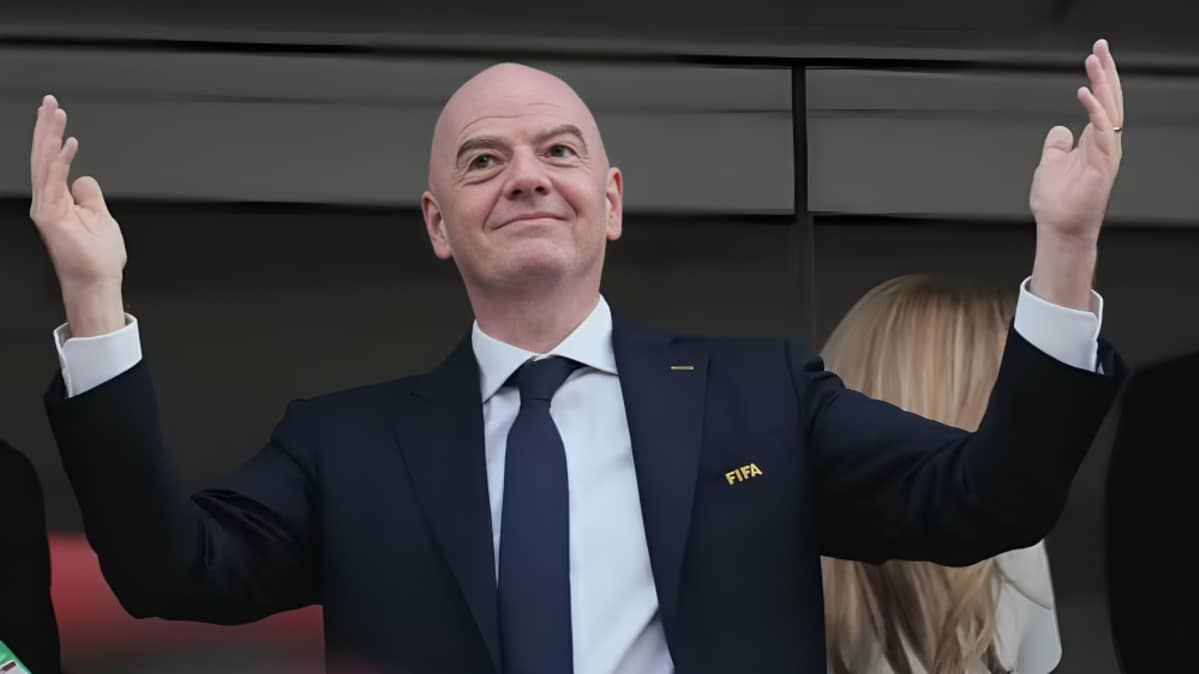
The confirmations are significant because UEFA has been involved in an increasingly serious disagreement with FIFA President Gianni Infantino. UEFA’s 55 member associations have backed a boycott of FIFA competitions as part of their opposition to the current FIFA leadership and governance issues.
The dispute has created uncertainty around upcoming FIFA tournaments, including the Under 20 Women’s World Cup in Poland.
However, France and New Zealand have indicated that their commitment to the tournament remains unchanged. Their decisions could encourage other participating countries to maintain their plans and allow the competition to proceed with its full field.
The French Football Federation has said its Under 20 women’s team intends to compete in Poland. France’s decision was particularly notable because it is one of UEFA’s leading football nations and a member of the European football governing body.
New Zealand then joined France in confirming its participation. The New Zealand football authorities emphasised the importance of the tournament to young players and their development.
For young footballers, the FIFA Under 20 Women’s World Cup represents an important step in their international careers. Many players who appear at the tournament later become established senior internationals.
The competition provides young athletes with experience against teams from different footballing regions and allows them to compete in a high pressure international environment.
New Zealand's decision therefore reflects the sporting importance of the tournament beyond the dispute between football's governing organisations.
The tournament will be hosted by Poland, which has continued preparations despite the uncertainty surrounding the boycott issue. The Polish Football Association has indicated that preparations remain on schedule and that there have been no confirmed withdrawals affecting the event.
Poland is scheduled to host its first FIFA women’s tournament with the Under 20 Women’s World Cup. The country previously hosted the FIFA Under 20 Men’s World Cup in 2019.
The 2026 edition will feature 24 teams, making it one of the largest editions of the competition. Teams from Europe, Asia, Africa, North America, South America and Oceania are expected to compete.
The UEFA FIFA dispute has nevertheless created uncertainty around participation by European teams.
UEFA member associations have expressed opposition to FIFA leadership following disagreements involving governance and commercial rights. One of the issues that contributed to the dispute was a proposal involving a stake in World Cup commercial rights, although that proposal was later abandoned.
UEFA has continued to demand changes and has maintained pressure on FIFA leadership. The dispute has raised concerns that European teams could withdraw from upcoming FIFA competitions.
The Under 20 Women’s World Cup is one of the first major FIFA events potentially affected by the disagreement.
France’s confirmation is therefore particularly important because France is one of the European nations expected to participate in the competition.
New Zealand’s decision also provides reassurance to organisers because the country represents the Oceania region and has a strong history in women’s football development.
The tournament is intended to showcase emerging talent and provide players with experience that can help prepare them for senior international football.
For Poland, the confirmations from France and New Zealand are encouraging developments. Tournament preparations can continue with greater certainty while FIFA and UEFA attempt to resolve their broader disagreement.
The Polish organisers have maintained that preparations are progressing as planned. Stadiums, training facilities and tournament logistics are expected to be ready for the opening match in September.
The situation remains fluid, however, because other participating associations have not necessarily issued public statements about their plans.
Reports indicate that some countries have declined to comment on whether they will participate, while the United States is expected to take part but had not publicly confirmed its position at the time of reporting.
This uncertainty means that the final participation picture could become clearer closer to the tournament.
The FIFA Under 20 Women’s World Cup has an important role in the development of women's football. It gives young players opportunities to compete internationally and allows national associations to identify future senior-team talent.
For France, participation provides another opportunity to develop its next generation of players. French women's football has produced numerous internationally recognised players, and the Under 20 programme remains an important pathway toward the senior national team.
New Zealand has also invested significantly in women's football. The country co-hosted the 2023 FIFA Women’s World Cup and has continued to develop its women's national teams.
Its participation in the Under 20 tournament provides another opportunity for young players to gain experience on the international stage.
The dispute between UEFA and FIFA therefore exists alongside a separate sporting objective: providing young footballers with an international competition in which they can develop their skills.
France and New Zealand appear to have prioritised that sporting objective by confirming their participation.
Their decisions could potentially reduce concerns that the tournament might face widespread withdrawals.
At the same time, the political and administrative dispute remains unresolved. UEFA has continued to express dissatisfaction with FIFA leadership and has maintained its position regarding a possible boycott of FIFA competitions.
The disagreement could have implications beyond the Under 20 Women’s World Cup if it continues.
For now, however, organisers are preparing for the tournament as scheduled.
The competition is expected to begin on September 5 and continue until September 27. Poland will host matches across several venues, with 24 teams competing for the world title.
The tournament will also be closely watched by clubs and senior national teams because several players could emerge as future stars.
France and New Zealand's confirmation means their players can continue preparations with the expectation that they will travel to Poland for the competition.
For the players involved, the tournament represents an important sporting opportunity that exists independently of the disagreements between football administrators.
The confirmations also demonstrate the complexity of international football governance. National associations must balance their relationships with their continental confederations and FIFA while considering the interests of their players and teams.
In this case, France and New Zealand have chosen to maintain their participation plans.
Whether other nations follow the same approach will determine the ultimate impact of the UEFA boycott threat on the tournament.
Poland remains confident that its preparations are on schedule, while FIFA continues to work toward staging the competition as planned.
The coming weeks will be important as participating associations make their positions clearer.
For now, the confirmation from France and New Zealand provides a positive development for the FIFA Under 20 Women’s World Cup.
The tournament remains scheduled for September 5 to 27 in Poland, and organisers are continuing preparations despite the wider dispute between UEFA and FIFA.
The focus will ultimately return to the young players competing for international success. Their participation could provide an important platform for the next generation of women's football talent.
As the tournament approaches, attention will remain on whether other European associations confirm their participation and whether UEFA and FIFA can resolve their differences.
Until then, France and New Zealand's decisions have provided the tournament with an important measure of stability amid the ongoing uncertainty.