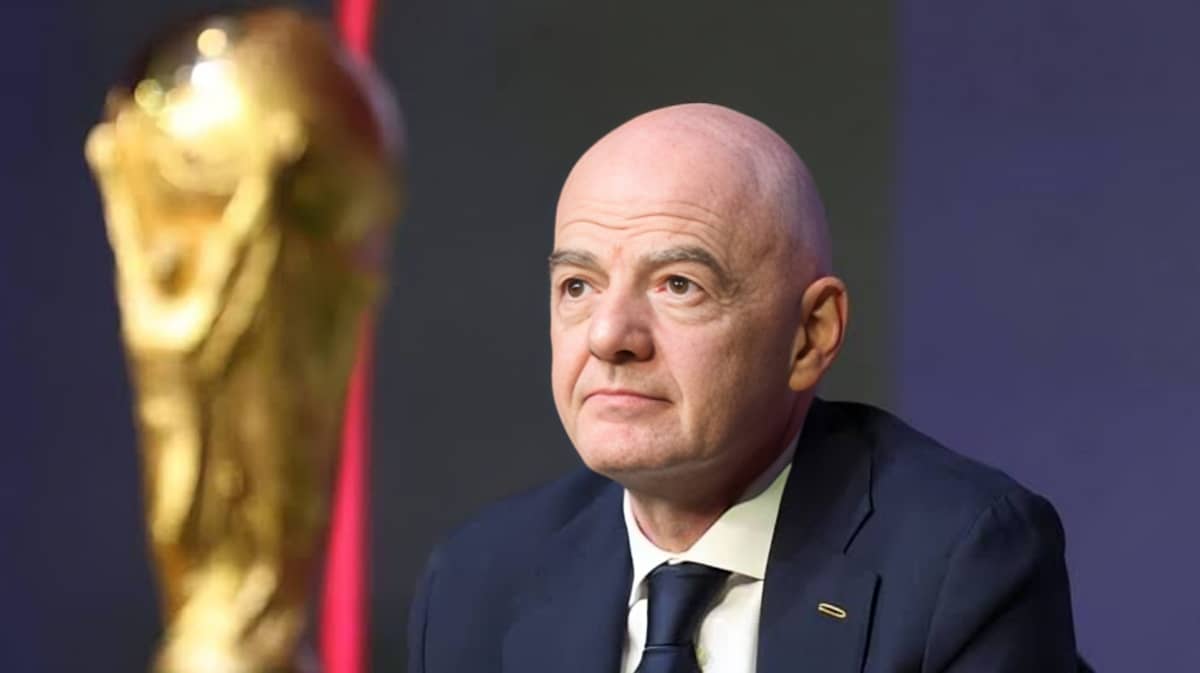
FIFA President Gianni Infantino has suffered a significant political setback ahead of the next FIFA presidential election after New Zealand Football announced that it would no longer support his bid for re election.
The decision has created a divide within the Oceania Football Confederation, as the regional body continues to acknowledge progress under Infantino's leadership while New Zealand, one of its most prominent members, has chosen to withdraw its endorsement.
New Zealand Football said its decision was influenced by concerns about trust, transparency and governance within FIFA. The organisation has also called for an independent review of the controversial FIFA Forward Enterprise proposal.
The dispute centres on a proposal to sell a 20 percent commercial stake in a FIFA subsidiary responsible for competitions including the World Cup. The plan was expected to raise around 4.2 billion dollars and was presented as a way to generate additional resources for football development.
However, the proposal faced strong opposition from several major football confederations. UEFA, the Asian Football Confederation and CONCACAF criticised the plan and raised concerns about the way it had been developed and communicated.
FIFA eventually withdrew the proposal, but the controversy continued to affect Infantino's position. Several football organisations have since questioned the governance process and demanded greater transparency in FIFA's decision making.
New Zealand Football has now joined those withdrawing or reconsidering their previous support for Infantino. The organisation said restoring confidence in FIFA would require an independent examination of the events surrounding the investment proposal.
The development is particularly notable because New Zealand had previously been among the associations supporting Infantino's continued leadership. Its decision therefore represents a change in position ahead of the 2027 FIFA presidential election.
The Oceania Football Confederation, however, has not followed New Zealand's decision. The OFC has welcomed FIFA's withdrawal of the investment proposal and supported a review of the project. At the same time, the confederation has highlighted what it considers progress in football development across Oceania during Infantino's tenure.
The disagreement means that the region is no longer presenting a united position on Infantino's leadership. The OFC represents 11 FIFA member associations, giving the region a group of votes that could become relevant during the presidential election.
New Zealand is also significant because it is the only Oceania nation to qualify for the 2026 FIFA World Cup. Its decision to withdraw support therefore carries additional political importance within the region.
Infantino is seeking another term as FIFA president, but the election campaign has become increasingly complicated following the investment controversy. The FIFA Congress is scheduled to decide the next president in March 2027 in Morocco.
Infantino still has support from several football organisations around the world. The Confederation of African Football has backed him, although individual African football associations are not necessarily required to vote as a bloc. Several Arab football associations have also publicly reaffirmed their support for the FIFA president.
At the same time, opposition has grown in other parts of the football world. UEFA, CONCACAF and the AFC have criticised the proposed investment plan and demanded greater accountability. Some national associations have also reconsidered their support for Infantino.
The latest development therefore highlights the increasingly divided political landscape surrounding FIFA. While Infantino continues to retain support from important regions, the withdrawal of New Zealand's endorsement demonstrates that his leadership faces growing scrutiny.
The controversy is likely to remain an important issue in the lead up to the 2027 FIFA presidential election. Questions about transparency, governance and the future commercial direction of FIFA could influence how national football associations decide their voting positions.
For now, the split between New Zealand Football and the Oceania Football Confederation represents another challenge for Infantino as he seeks to continue his leadership of world football.