
Indian football could be heading towards another major international test after the All India Football Federation reportedly entered discussions with the Cape Verde Football Federation over a possible friendly match.
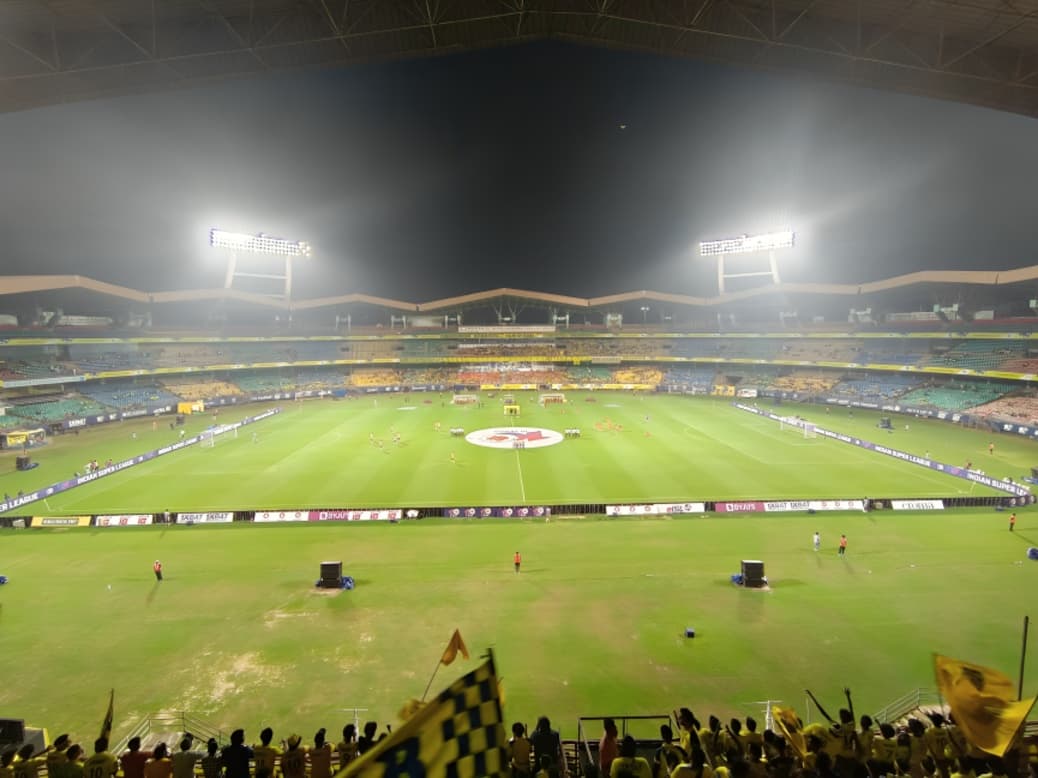
The development comes shortly after India confirmed a historic international friendly against Brazil. The five time FIFA World Cup champions will face India at the Vivekananda Yuba Bharati Krirangan in Kolkata on October 3, 2026. The match will mark Brazil’s first appearance in India in a senior men’s international fixture.
The possible Cape Verde fixture would give India another opportunity to play against a team that made a strong impression at the 2026 FIFA World Cup. Cape Verde made its World Cup debut and attracted international attention with its performances during the tournament. India’s potential meeting with the African side would therefore provide a different style of football and another valuable test for the national team.
According to reports, discussions between AIFF and the Cape Verdean Football Federation are at an advanced stage. However, the match should not be described as confirmed until the relevant football authorities officially announce the fixture.
Uruguay has also reportedly been considered as another possible opponent for India. The South American side featured at the 2026 World Cup and is among the teams India could potentially face during the upcoming international window. The final schedule will depend on negotiations, availability and FIFA international calendar requirements.
The potential fixtures represent a significant change in the type of opposition India is seeking. Instead of relying primarily on regional opponents, the AIFF appears to be exploring opportunities against higher profile teams from different footballing regions.
The Brazil match is already regarded as one of the biggest fixtures in the history of Indian football. Brazil currently ranks among the world's leading football nations, and the October match will give Indian players an opportunity to compete against elite international opposition on home soil.
The match is also expected to attract considerable attention in Kolkata, a city with a long association with Brazilian football. Brazil's popularity in the city has been particularly strong for decades, making the fixture a major event for local supporters.
For the Indian national team, however, the significance extends beyond the publicity surrounding the Brazil match. Playing against stronger opponents can provide players and coaches with experience that is difficult to replicate in ordinary fixtures.
India has faced challenges in maintaining regular high quality international competition. The national team did not qualify for the 2027 AFC Asian Cup, increasing the importance of arranging meaningful international matches during available FIFA windows.
The AIFF had initially planned India's participation in the inaugural FIFA ASEAN Cup. The federation subsequently decided to withdraw from the tournament in order to prioritise the Brazil friendly and other international fixtures.
The decision has generated debate within Indian football. Former India captain Bhaichung Bhutia criticised the decision to prioritise the Brazil fixture, arguing that India's football development also requires strong competitive tournaments and greater support for domestic clubs.
Despite the debate, the AIFF's reported pursuit of Cape Verde and Uruguay indicates that the federation wants to use international windows to arrange additional competitive matches.
Cape Verde could be particularly interesting because of its recent rise in international football. A match against the African side would expose Indian players to a different tactical and physical style compared with opponents from Asia.
A potential Uruguay fixture would offer another demanding challenge. Uruguay has a long footballing tradition and has produced generations of internationally recognised players. If such a match is finalised, it would give India another opportunity to measure its progress against a highly experienced South American football nation.
For Indian players, these matches could also provide valuable lessons in tempo, positioning, physical preparation and tactical discipline. Facing stronger teams can expose weaknesses that may not be as obvious against lower ranked opposition.
However, arranging high profile friendlies alone will not solve India's wider football development challenges. Long term progress will require stronger youth development, better domestic competitions, improved coaching systems and greater opportunities for young players.
Reuters recently highlighted several structural issues affecting Indian football, including weaknesses in youth development and the need for broader reforms across the football ecosystem.
The proposed international friendlies can nevertheless form one part of a wider strategy. Regular matches against stronger opponents can help the national team maintain competitive standards while providing younger players with international experience.
For supporters, the prospect of India playing Brazil, Cape Verde and potentially Uruguay represents an exciting period for the national team. These fixtures would provide exposure against teams from South America and Africa and could increase international interest in Indian football.
The Brazil match is already confirmed for October 3 in Kolkata. The Cape Verde and Uruguay possibilities remain subject to negotiations and official confirmation.
If the Cape Verde agreement is completed, India could have another significant fixture to look forward to soon after the Brazil encounter. Such a schedule would give the national team an opportunity to gain experience against different footballing cultures and styles.
Ultimately, the value of these matches will depend on how effectively India uses them as part of its long term football development programme. Strong opponents can provide valuable experience, but that experience must be combined with improvements at grassroots and domestic levels.
For now, the discussions with Cape Verde offer another indication that Indian football is looking beyond conventional regional fixtures. With Brazil already confirmed and Uruguay reportedly among the possibilities, the coming international windows could provide the Indian team with some of its most challenging opponents in recent years.