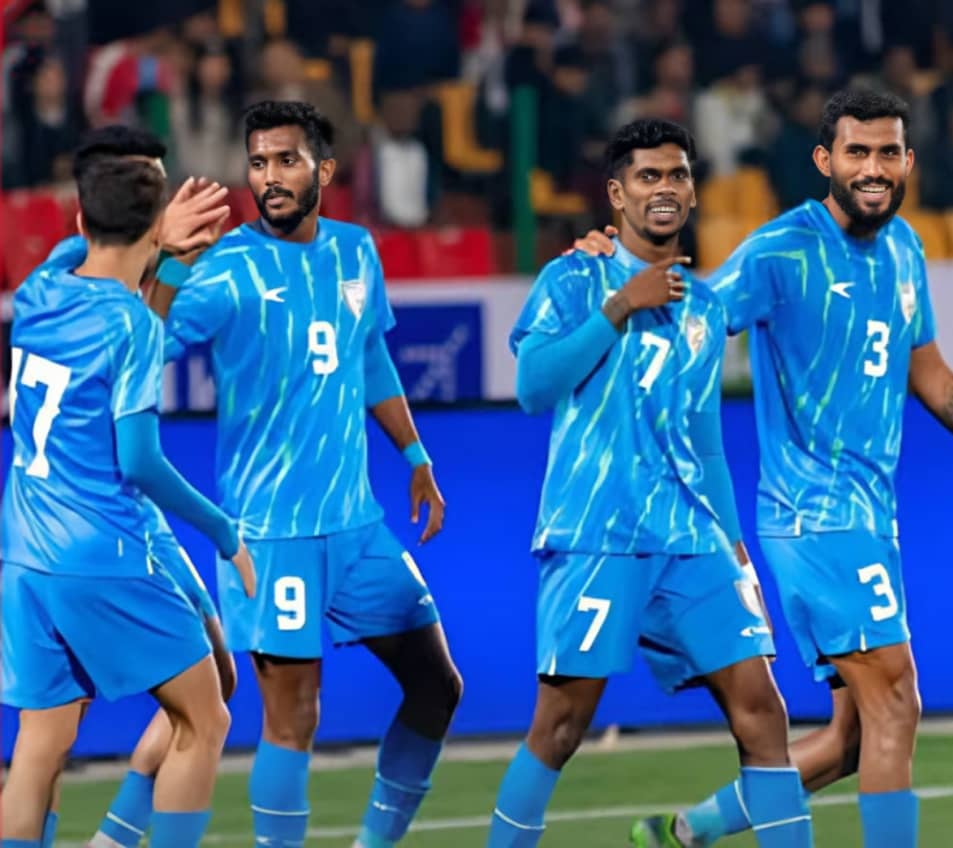
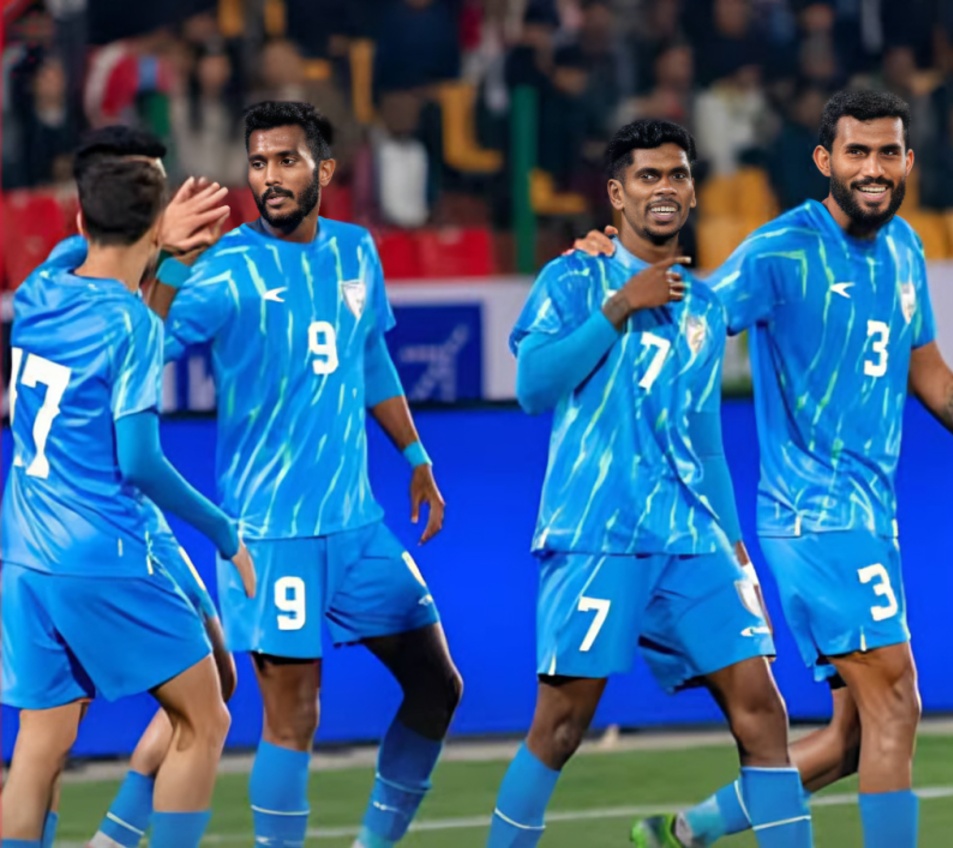
Indian football is facing a significant scheduling dilemma as the All India Football Federation considers prioritising a high profile international friendly against Brazil over participation in the inaugural FIFA ASEAN Cup.
The Brazil friendly is scheduled to take place on October 3, 2026, at the Salt Lake Stadium in Kolkata. The match is expected to be one of the biggest international fixtures involving the Indian senior men's team in recent years, given Brazil's status as a five time FIFA World Cup champion. The All India Football Federation has officially confirmed the fixture.
At the same time, India is scheduled to participate in the inaugural FIFA ASEAN Cup, which is set to take place between September and October. The tournament's schedule creates a direct clash with the Brazil friendly because the ASEAN Cup is also scheduled to conclude on October 3.
The scheduling conflict has forced the AIFF to consider different options for managing the national team's commitments.
Initially, the federation announced that India would field two separate squads. One squad would participate in the FIFA ASEAN Cup, while another would prepare for the prestigious international friendly against Brazil.
The AIFF confirmed that the two competitions would be handled by separate groups of players. This approach was intended to allow India to participate in both events despite the overlapping dates.
However, the situation has become more complicated because of questions over whether India can send a reserve team to the FIFA ASEAN Cup.
Reports now indicate that the AIFF could withdraw India from the tournament altogether if permission is not granted for a second string squad. The federation is understood to consider the Brazil fixture a major opportunity for Indian football and wants its strongest available players involved in the historic encounter.
The Brazil match is particularly significant because it will be played in India. Hosting one of the world's most successful football nations provides the Indian team with an opportunity to compete against elite opposition in front of a home crowd.
Brazil's national team has won the FIFA World Cup five times and remains one of the most recognisable teams in international football. A match against Brazil could provide Indian players with valuable exposure and experience against a team operating at the highest level of the sport.
The fixture was officially announced by the AIFF on July 30, with Kolkata selected as the venue for the October 3 encounter.
The ASEAN Cup, meanwhile, represents another important opportunity for India. The inaugural FIFA backed competition is intended to provide international football opportunities in the Southeast Asian region and has attracted attention because of its new status.
India's potential withdrawal has therefore raised questions about the balance between short term exposure against a global football powerhouse and the long term value of participating in a competitive tournament.
The scheduling issue has also generated criticism from some former Indian football players. Former India captain Bhaichung Bhutia has questioned the decision to prioritise the Brazil friendly and the broader planning surrounding the two competitions.
The debate centres on whether playing against Brazil in a single friendly would provide greater developmental value than competing in multiple competitive matches during the ASEAN Cup.
A tournament provides players with repeated opportunities to play together, adapt to different opponents and gain experience in competitive situations. A friendly against Brazil, on the other hand, offers an opportunity to test Indian footballers against one of the world's strongest teams.
The AIFF therefore faces a difficult decision.
If India sends its strongest squad to the Brazil match, the ASEAN Cup team could consist largely of reserve or developing players. But if FIFA does not allow such an arrangement, the federation may have to choose between the two competitions.
The situation is also complicated by the dates. Both events fall within the same international football period, making it difficult to use the same group of players for both competitions.
The AIFF's plan to use separate squads was designed to address precisely this problem. However, the possibility of restrictions on squad selection has created uncertainty over India's participation in the ASEAN Cup.
According to reports, India has already been drawn into Group A of the FIFA ASEAN Cup's Premier Division. The group includes Indonesia, Malaysia and Singapore.
These opponents would provide India with competitive matches against teams from the Southeast Asian region.
Participation in the tournament could therefore have developmental benefits for Indian football, particularly because the national team needs regular competitive fixtures to improve its international standing.
At the same time, the Brazil friendly could provide unprecedented visibility for Indian football. A home match against Brazil could attract significant domestic and international attention and potentially generate greater interest in the sport.
The AIFF's preference for the Brazil match is therefore linked not only to sporting considerations but also to the broader opportunity to showcase Indian football.
The federation's decision has already attracted public debate. Some observers believe India should take advantage of the rare opportunity to face Brazil, while others argue that abandoning a competitive tournament would be counterproductive for the national team's development.
There is also a question about the long term impact on India's international schedule. Regular competitive matches are generally considered important for maintaining squad cohesion and giving players experience under pressure.
The Brazil friendly would nevertheless provide a different kind of challenge. Playing against a team of Brazil's calibre could expose Indian players to a much higher level of technical ability, tactical organisation and individual quality.
For Indian footballers, the opportunity to share the pitch with Brazilian stars could be a significant career experience.
The final decision regarding India's ASEAN Cup participation remains important because it will determine how the national team approaches the September and October international window.
The AIFF has not officially announced that India has withdrawn from the tournament. Instead, reports indicate that withdrawal is being considered if a reserve squad is not permitted. This distinction is important because the situation remains subject to discussions and official decisions.
For now, the confirmed part of the schedule is India's home friendly against Brazil on October 3 in Kolkata. The AIFF has also previously announced its intention to manage the Brazil match and ASEAN Cup with separate squads.
The coming weeks could determine whether that plan remains possible.
If India ultimately withdraws from the FIFA ASEAN Cup, the decision would underline the importance the AIFF places on the Brazil fixture. If a second team is permitted to participate in the tournament, India could still fulfil both international commitments.
The situation is being closely watched by Indian football supporters because both events offer different benefits. The ASEAN Cup could provide competitive match experience, while the Brazil friendly could offer global exposure and a rare opportunity to face a world football giant.
Whatever decision is eventually taken, the scheduling conflict highlights the challenges facing Indian football as the national team seeks more high profile international opportunities while also maintaining participation in competitive tournaments.
For now, India remains at the centre of a major football scheduling debate, with the AIFF weighing the value of the FIFA ASEAN Cup against the opportunity to host Brazil in Kolkata on October 3.