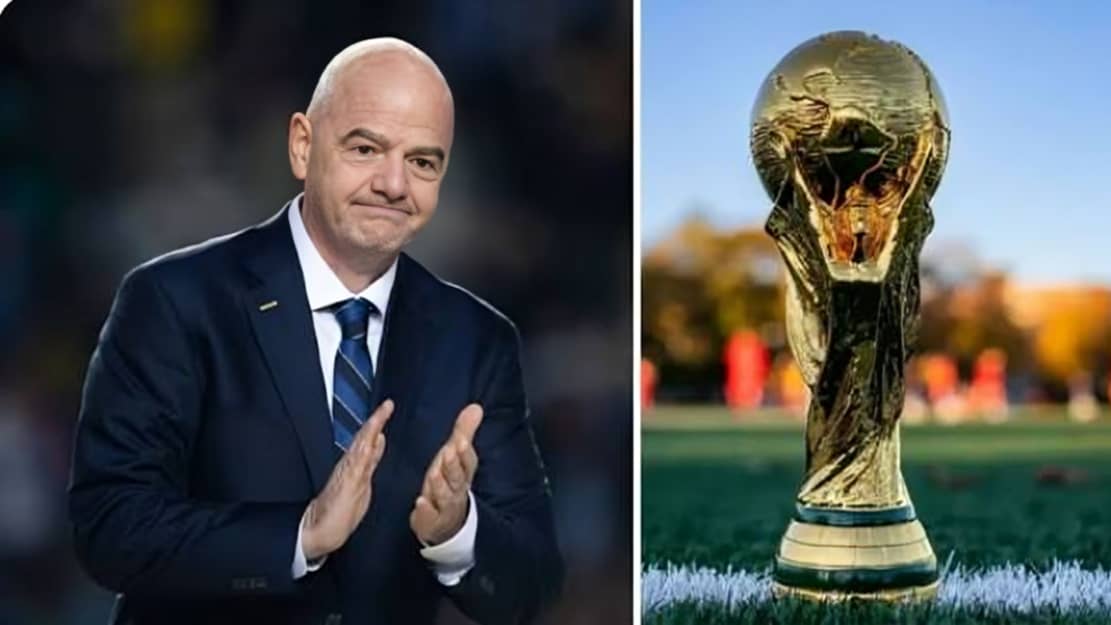
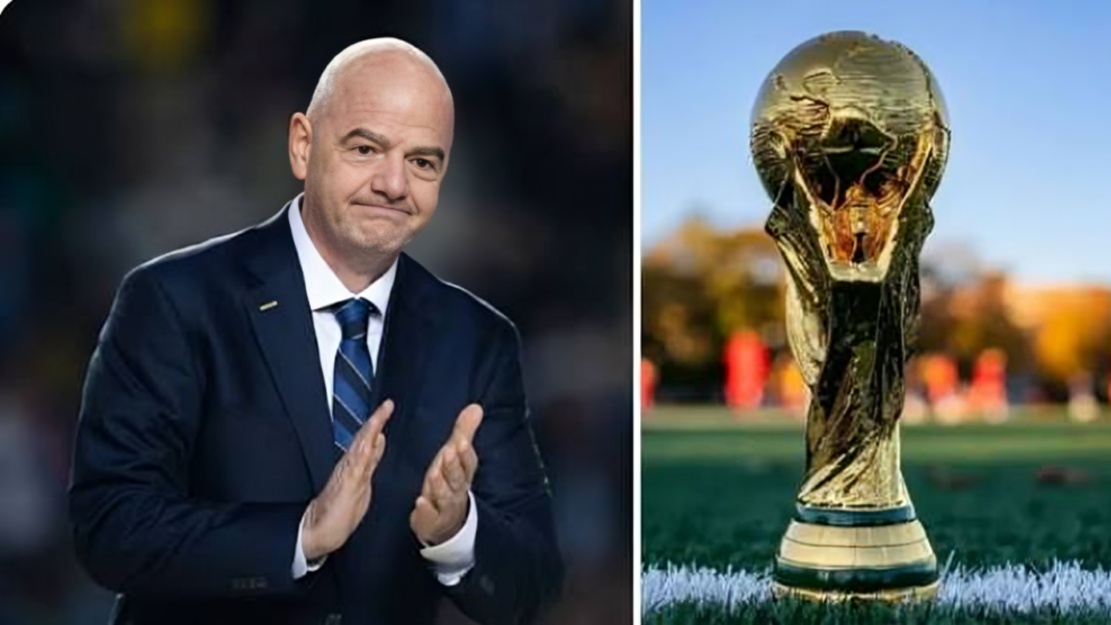
European football's governing body, UEFA, is reportedly assessing its response to a proposal by FIFA President Gianni Infantino to sell a minority stake in FIFA's newly established commercial company. According to international media reports, the proposal has triggered concerns among several European football officials, with discussions reportedly including the possibility of a boycott of future FIFA World Cup tournaments if their concerns are not adequately addressed.
The reported proposal involves attracting private investment into FIFA's commercial operations through the sale of a minority ownership stake. Supporters of the plan argue that external investment could strengthen FIFA's commercial growth, expand global football initiatives, and generate additional revenue for the development of the sport.
However, reports indicate that some UEFA officials have expressed reservations regarding the proposal. Their concerns reportedly focus on issues of governance, financial transparency, decision-making authority, and the long-term impact of private investors on the administration of international football.
According to the reports, UEFA believes that any structural changes affecting FIFA's commercial operations should involve broader consultation with member associations and football stakeholders. Officials are said to be seeking greater clarity on how investment decisions would influence FIFA's governance framework and future distribution of football revenues.
Media reports have also suggested that discussions within European football circles have included the possibility of stronger measures, including a potential boycott of the FIFA World Cup. However, no formal decision has been announced by UEFA, and there has been no official confirmation that such action has been approved or is under active implementation.
The relationship between FIFA and UEFA has occasionally witnessed differences over governance reforms, competition formats, commercial rights, and the international football calendar. Despite these disagreements, both organizations continue to play central roles in the administration and development of global football.
Private investment in sports organizations has become increasingly common in recent years, with investors showing interest in football leagues, clubs, media rights, and commercial ventures. While such investments can provide additional financial resources, they also raise questions about governance, accountability, and the balance between commercial objectives and sporting interests.
Neither FIFA nor UEFA has publicly confirmed the full details of the reported discussions at the time of publication. FIFA has previously emphasized its commitment to expanding football worldwide and ensuring sustainable financial growth through commercial partnerships and development initiatives.
Football analysts note that any disagreement between FIFA and UEFA would have significant implications because European nations account for many of the world's leading football teams, clubs, players, and competitions. Nevertheless, any decision regarding participation in future FIFA tournaments would require formal approval through the appropriate governing bodies and member associations.
As discussions continue, stakeholders across the football community will closely monitor any official statements from FIFA and UEFA regarding the reported investment proposal. Until formal decisions are announced, reports of a potential World Cup boycott remain part of ongoing discussions rather than confirmed policy.
The issue highlights the broader debate surrounding the governance and commercial future of international football, where balancing financial growth with transparency and stakeholder confidence remains a key priority.