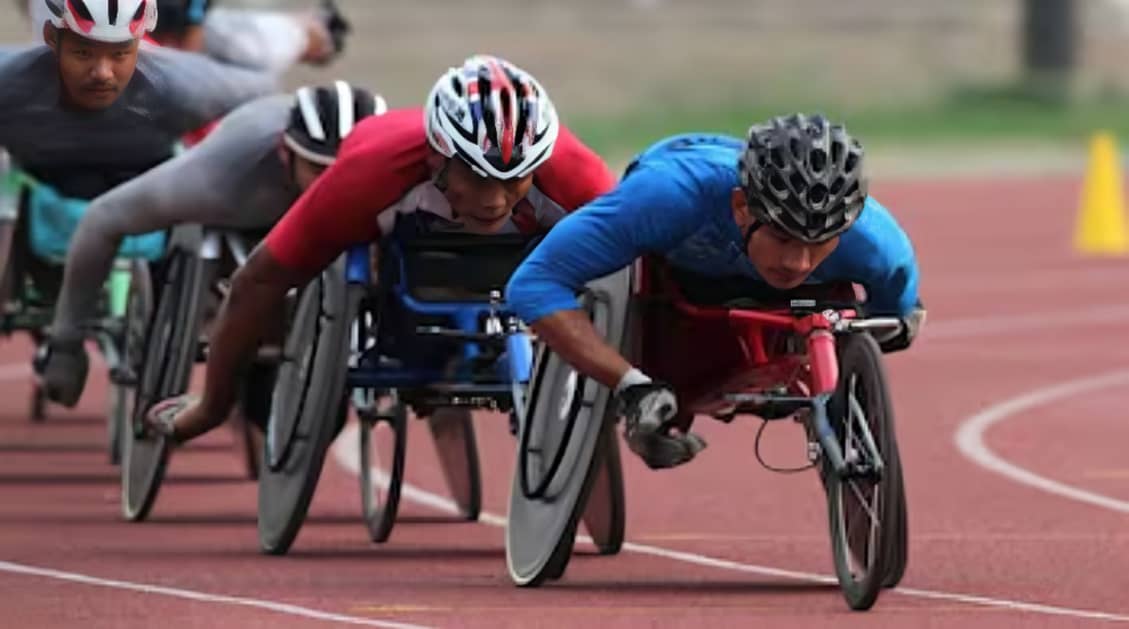
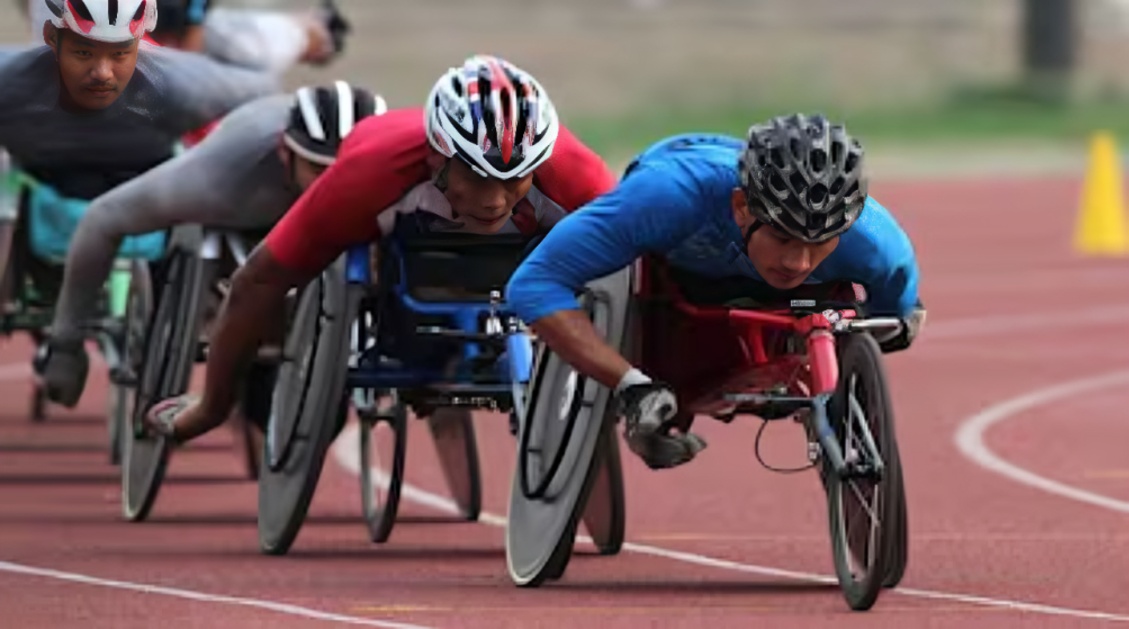
The Delhi High Court has dismissed a petition filed by five para cyclists who challenged their exclusion from India’s contingent for the 2026 Asian Para Games in Aichi-Nagoya, Japan. The court upheld the Sports Ministry’s decision to apply its prescribed selection benchmarks and declined to direct the authorities to include the athletes in the finalised team.
Justice Amit Mahajan delivered the ruling on October 13, 2026. The petitioners had challenged their exclusion from the Indian team and also sought permission to participate in the competition at their own expense. The court rejected their request, leaving India’s representation in para cycling limited to a single rider, according to reports. The Games are scheduled to take place from October 18 to 24 in Aichi-Nagoya, Japan.
Court Upholds the Sports Ministry’s Selection Criteria
The central issue before the court was whether the selection decision made by the relevant sports authorities required judicial intervention. The five athletes challenged their exclusion from the national contingent, seeking an opportunity to compete at the international event.
In dismissing the petition, the court observed that decisions concerning the selection of athletes for international sporting competitions are generally made by the relevant authorities and subject experts. Such decisions involve evaluating performance benchmarks, eligibility and the feasibility of sending athletes to a major competition.
The court indicated that it could not ordinarily direct changes to a finalised contingent or substitute its own assessment for that of the competent authorities unless the decision was arbitrary. Its ruling therefore upheld the Ministry’s application of the selection standards in this case.
The decision highlights the role of established selection policies in determining India’s representation at international sporting events. The Ministry of Youth Affairs and Sports has published criteria for selecting individuals and teams for the 2026 Asian Games, Asian Para Games and other multi-sport competitions.
According to the Ministry, these standards are intended to provide a transparent and consistent framework for evaluating athletes. They include benchmarks designed to help determine which competitors should be considered for participation in major international events.
Athletes’ Request to Compete at Their Own Expense Rejected
Apart from challenging their exclusion from the squad, the five para cyclists also sought permission to participate in the Asian Para Games by paying their own expenses.
However, the court declined to grant this request. The ruling means that the athletes will not be added to the Indian contingent through an individual funding arrangement following the dismissal of their petition.
The case raises questions about the relationship between individual athletes’ aspirations and the selection procedures governing national teams. Athletes seeking to represent India at major international events must meet the applicable requirements, while the authorities are responsible for finalising the contingent in accordance with the established framework.
The court’s decision does not change the Ministry’s selection policy. Instead, it upholds the decision made under the existing criteria in the case before it.
India to Have One Rider in Para Cycling
With the petition dismissed, India is expected to have only one para cyclist competing at the Games. Reports have identified Arshad Shaik as the lone Indian rider in the discipline.
The limited representation has drawn attention because five athletes had approached the court seeking inclusion in the team. Their exclusion has also prompted concerns within the para-cycling community about the selection process and the opportunities available to athletes preparing for major competitions.
The controversy has extended beyond the legal proceedings. According to a report by The Times of India, India’s para-cycling chief coach Aditya Mehta withdrew from the delegation in protest against the exclusion of cyclists. The report stated that Arshad Shaik remained the sole rider representing India, accompanied by a technician for support.
The reported withdrawal reflects the wider concerns surrounding the final selection, although the High Court’s decision focused on the legal challenge and the application of the Ministry’s benchmarks.
Asian Para Games Begin on October 18
The fifth Asian Para Games will take place in Aichi-Nagoya, Japan, from October 18 to 24, 2026. The competition will bring together athletes from across Asia in multiple para-sport disciplines.
India has announced a contingent covering several sports. The Ministry of Youth Affairs and Sports has published official participation orders for sections of the Indian delegation, including para badminton and para table tennis, along with team officials and support staff.
For athletes, the Games provide an opportunity to compete at a major international level and represent their country. The court’s ruling means that the five petitioners will not be able to join the Indian para-cycling team through the legal route pursued in this case.
Legal Decision Closes the Current Challenge
The Delhi High Court’s order leaves the finalised selection decision in place and does not direct the Sports Ministry to make further changes to the para-cycling contingent.
The case also underlines the limits of judicial intervention in sporting selections. Courts can examine whether a decision is arbitrary or otherwise legally flawed, but they do not ordinarily replace the judgement of sports authorities simply because an athlete disputes the outcome.
For the five petitioners, the dismissal means that their request to compete in the 2026 Asian Para Games, including at their own expense, has not been accepted. For India, the immediate outcome is a para-cycling team expected to consist of one rider at the Aichi-Nagoya Games.
As the competition approaches, attention will turn to India’s athletes across the various disciplines and to the performance of the selected contingent. The case is also likely to keep the selection of para athletes under discussion, particularly regarding the application of eligibility standards and the process through which national teams are finalised.