‘The World Is Laughing at Us’: Salman Akbar Criticises India-Pakistan Sports Boycotts
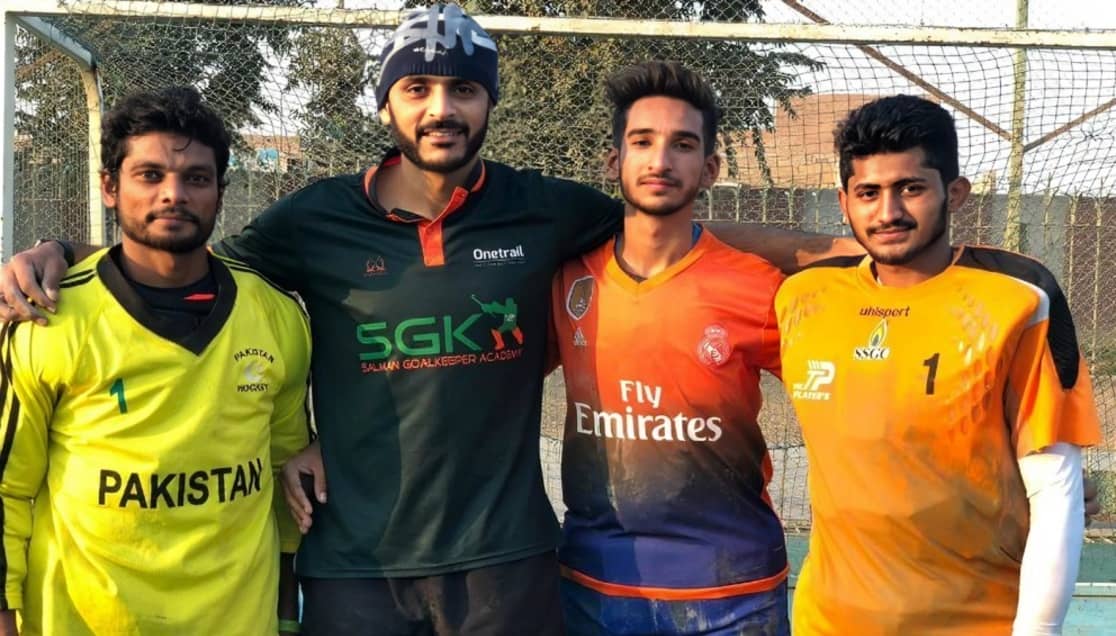
Former Pakistan hockey captain Salman Akbar has criticised the growing tensions surrounding sporting events between India and Pakistan, urging both countries to use sports as a means of promoting peace and friendship. Akbar believes that repeated boycotts and disputes are damaging the image of both nations and preventing athletes from competing in some of the most anticipated sporting contests in the region.
In remarks reported on October 11, 2026, Akbar expressed concern about the way political disagreements have increasingly affected sporting relations between the neighbouring countries. His comments have renewed discussion about the relationship between politics and sport, particularly when national teams face decisions about participating in competitions involving one another.
Salman Akbar calls for a different approach
Akbar's central message is that sporting events should create opportunities for competition, respect and communication rather than becoming another arena for political confrontation. His criticism reflects concern that repeated disputes can undermine the purpose of international sport and affect how the two countries are viewed by audiences elsewhere.
The former hockey captain has urged both sides to reconsider the growing pattern of sporting boycotts. His position is that athletes should be able to compete under established tournament rules wherever possible, while sporting authorities and governments address political and security concerns through appropriate channels.
The phrase “The world is laughing at us,” associated with his criticism, conveys his concern that repeated public disputes over sporting participation could damage the international reputation of both countries. It is his assessment of the situation, rather than an independently established measure of global opinion.
Akbar's comments also highlight the importance of maintaining communication between sporting organisations. Clear decisions made well before tournaments can help teams, organisers, broadcasters and supporters prepare for major events without uncertainty at the last minute.
How boycotts affect athletes
India-Pakistan matches attract substantial attention because of the countries' sporting histories and the intensity of their rivalries. When a fixture is cancelled, boycotted or moved to a neutral venue, the consequences can extend beyond the teams directly involved.
Players may lose the opportunity to test themselves against high-quality opponents, while supporters miss the chance to watch a major contest. Tournament organisers can face scheduling difficulties, and broadcasters and sponsors may have to deal with uncertainty around events that attract significant public interest.
Akbar has particularly highlighted the effect on athletes, including Pakistani players who need opportunities to compete at a high level. International fixtures can help players gain experience, improve their performance and demonstrate their abilities to coaches, selectors and overseas clubs.
These opportunities can be especially important in sports where regular exposure to strong international opposition is necessary for development. When political disagreements prevent teams from meeting, players may be left with fewer chances to compete in high-pressure matches.
At the same time, participation decisions can involve legitimate security, diplomatic and administrative considerations. The wider debate is therefore not simply about whether sport should be separated from politics, but also about how sporting authorities can protect participants while preserving fair and meaningful competition.
The wider India-Pakistan sporting dispute
India and Pakistan have a long history of sporting rivalry, especially in cricket and hockey. Matches between the two countries have often attracted large audiences and carried significance beyond the results on the field.
However, political tensions have repeatedly affected bilateral sporting exchanges. In recent years, teams have frequently met at neutral venues in international tournaments rather than playing regular bilateral series on each other's home ground.
Cricket has been a particularly visible example. In February 2026, Pakistan's decision not to play India in a scheduled men's T20 World Cup match prompted debate among supporters, officials and former players. Reuters reported that the decision reflected broader political tensions and raised concerns about the effect on the tournament and its audience.
Such episodes illustrate the challenges facing international sport when governments and sporting organisations must weigh political positions, security concerns, tournament rules and athletes' interests. The circumstances can differ from one event to another, so each boycott or participation decision needs to be assessed in its specific context.
Akbar's comments add a former athlete's perspective to this debate. His appeal is for sports to retain a role in building mutual respect, even when relations between the two countries remain difficult.
Why sport can still create opportunities for friendship
Sport cannot resolve every political disagreement, and a match between two countries does not automatically improve diplomatic relations. Nevertheless, sporting events can create occasions for athletes and supporters to interact across national boundaries.
Players often share similar professional pressures, including training, selection, injuries, competition and the responsibility of representing their countries. Respectful exchanges between opponents can demonstrate that fierce competition does not have to prevent personal understanding.
For younger athletes, international tournaments can also provide valuable experience and exposure. Playing against strong opposition helps teams assess their abilities and identify areas for improvement. Consistent participation can strengthen the quality of competition and support the development of a sport over time.
Akbar's appeal for peace and friendship is rooted in the view that sporting rivalry should remain focused on performance rather than becoming a source of repeated public confrontation. Maintaining opportunities for competition, he argues, can benefit athletes and supporters on both sides.
The challenge for sporting authorities
The future of India-Pakistan sporting exchanges will depend on decisions by governments, national sports bodies and international organisers. These stakeholders must consider safety, tournament regulations, diplomatic circumstances and the practical requirements of teams and venues.
One possible approach is to make participation decisions early and communicate them clearly. Predictable arrangements can reduce uncertainty for players and organisers, while neutral venues may offer a practical option in some circumstances. However, as Akbar's criticism suggests, neutral venues do not necessarily replace the sporting atmosphere or wider significance of a match played in either country.
There is no simple solution to the political tensions affecting the two neighbours. Still, his comments underline the value of keeping dialogue open and considering the impact of decisions on athletes.
Akbar's intervention is ultimately a call for both countries to reconsider how their sporting rivalry is managed. His message is that competition can remain intense without allowing every sporting encounter to become a political dispute. Whether the two countries can create more consistent opportunities for athletes to compete will depend on future decisions by the relevant authorities.
For now, his remarks have brought renewed attention to the human and sporting costs of boycotts. They also reinforce a broader question for international sport: how can athletes continue to compete fairly and safely when political disagreements between their countries remain unresolved?