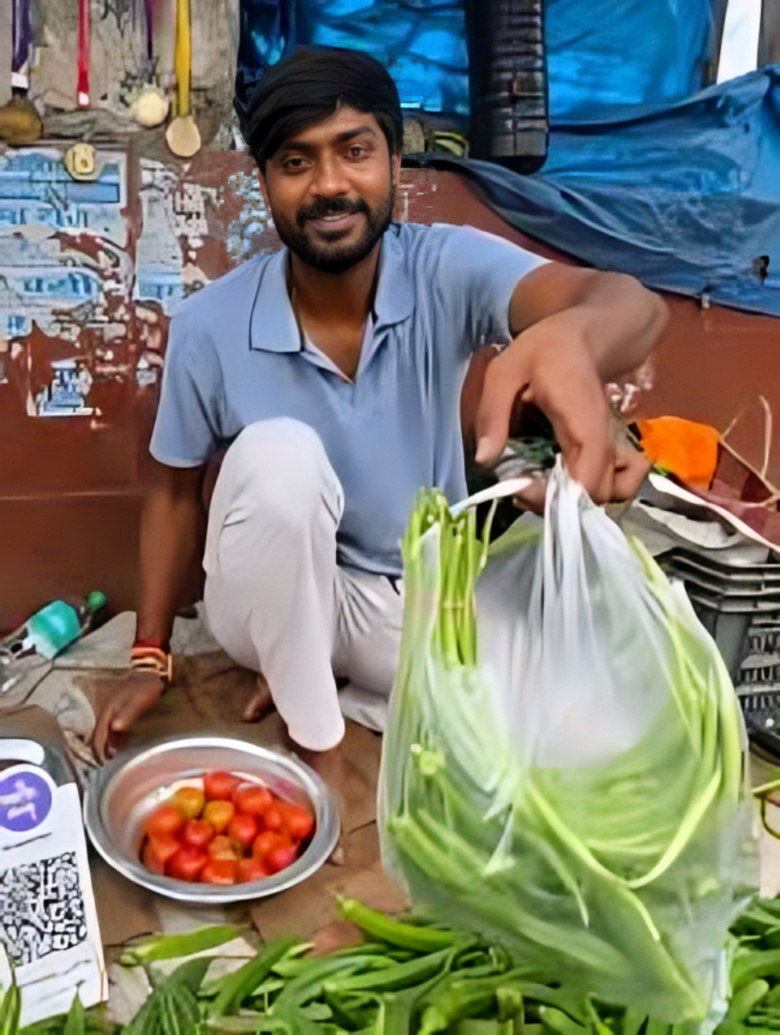
Jharkhand throwball player Amardeep Kumar has become the focus of attention after reports highlighted the financial difficulties faced by the 29 year old athlete despite his record of winning four international gold medals for India.
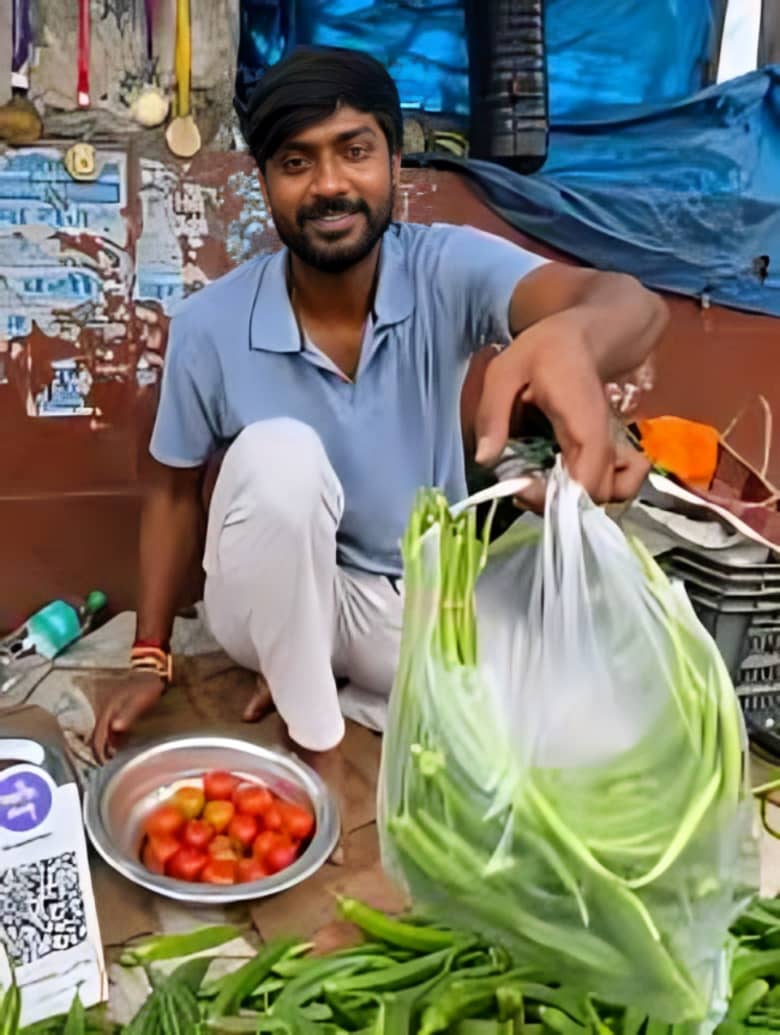
Amardeep, who is from Ranchi, has represented India in international throwball competitions and secured gold medals at four different events. According to recent reports, his international achievements have not translated into stable employment or financial security. He currently helps support his family by selling vegetables at Argora Chowk in Ranchi and also drives a cab to earn additional income.
His sporting journey dates back more than a decade. Reports said Amardeep won his first international gold medal at the Asian Junior Throwball Championship in Malaysia in 2015. He later won gold at the Indo Nepal Throwball Championship in Kathmandu in 2017 and at the South Asian Throwball Championship in Bengaluru in 2019. His fourth reported international gold came at the South Asian Throwball Championship held in Ranchi in 2026.
The achievements required considerable commitment from the athlete and his family. Reports said Amardeep faced financial difficulties even while travelling for international competitions. For his trip to Malaysia in 2015, he reportedly borrowed around Rs 65,000 to meet the expenses associated with representing India. The Jharkhand Throwball Association also helped with the costs.
Despite his sporting record, Amardeep has reportedly been seeking stable employment for several years. According to media reports, he has repeatedly approached the Jharkhand government for a government job and other forms of support. He has also reportedly raised the issue with officials and political representatives but says he has not received a satisfactory resolution.
The absence of stable employment has affected his ability to balance his sporting career and household responsibilities. Amardeep's family depends on multiple sources of income. Reports said his father is involved in vegetable selling, while Amardeep helps with the business. His mother also reportedly sells vegetables door to door, while his elder brother runs a small food business.
Amardeep also drives a cab as an additional source of income. This work provides financial support for the family but can make it more difficult for him to maintain the regular training schedule required of an international athlete. Reports have highlighted the challenge of managing late working hours, family responsibilities and sporting commitments at the same time.
The case has also brought attention to the wider issue of employment opportunities for athletes who win medals in sports that receive less commercial attention. While sports such as cricket, football, hockey and athletics receive significant public and institutional visibility, athletes from disciplines such as throwball can face difficulties finding long term financial support after international competitions.
Amardeep's situation is particularly notable because his achievements were made while dealing with financial constraints. His four international gold medals demonstrate that he has represented the country successfully on multiple occasions. However, his current circumstances show that sporting recognition does not always result in a permanent source of income or employment.
The athlete has reportedly compared his situation with that of players from other states who received government jobs or financial rewards after representing India. These comparisons have become part of his appeal for employment support in Jharkhand. Such claims are based on his reported statements and should be considered in that context.
The issue gained wider attention after images and videos showing Amardeep selling vegetables in Ranchi circulated on social media and were picked up by news organisations. The reports generated discussion about the financial security of athletes after their competitive careers and the need for structured support systems.
Following the media attention, Jharkhand Chief Minister Hemant Soren took note of the matter. Recent reports said Soren directed the state sports department to examine Amardeep's situation and take appropriate steps. The development has raised expectations that the athlete's request for employment or other assistance could receive formal consideration from the state authorities.
Reports also said officials were examining possible employment opportunities for Amardeep under the state's sports-related policies. Any appointment or financial assistance, however, would depend on the government's assessment and applicable rules. It is therefore important to distinguish between the reported consideration of assistance and any confirmed appointment.
Amardeep's story also highlights the importance of continuing support for athletes after major competitions. International representation involves expenses related to travel, training, equipment, coaching and participation. Athletes from financially weaker backgrounds can face additional pressure when these expenses are not fully covered.
For an athlete like Amardeep, maintaining an international sporting career while earning enough to support his family presents a difficult balance. His work as a vegetable seller and cab driver is not a reflection of a lack of sporting achievement. Instead, it demonstrates the financial challenges that some athletes continue to face despite representing India successfully.
Throwball itself has a strong competitive presence in India, with athletes participating in Asian and South Asian competitions. However, the sport does not have the same commercial ecosystem or professional opportunities available in India's most popular sporting disciplines. This can make government employment, institutional support and sponsorship particularly important for players who achieve international success.
Amardeep's four gold medals remain a significant part of his sporting career. His first international success came in 2015, and he continued to compete and win over the following years. His latest reported gold in 2026 shows that he remains active in the sport despite his financial circumstances.
The case now awaits further action from the Jharkhand government. The sports department's assessment could determine whether Amardeep becomes eligible for employment, financial assistance or another form of support under existing policies.
Beyond the immediate question of one athlete's employment, Amardeep Kumar's situation has renewed discussion about how India supports athletes from less prominent sports. International medals provide recognition for the country, but athletes also need sustainable opportunities to continue their sporting careers and maintain financial stability.
For Amardeep, the immediate priority remains supporting his family while continuing to pursue throwball. His journey from representing India internationally to working as a vegetable seller and cab driver has brought renewed attention to the gap that can exist between sporting achievement and financial security.
The response from the Jharkhand government could now become an important development in the case. If a suitable employment or support mechanism is provided, it could offer Amardeep greater financial stability while also allowing him to continue his sporting career.