India has long been recognized for its achievements in combat sports, particularly wrestling and boxing. The country has produced Olympic medalists, Commonwealth Games champions, and world-class athletes who have earned international recognition. Despite this strong sporting foundation, mixed martial arts continues to face several challenges that have limited its growth and global success.
Over the past decade, MMA has gained popularity among Indian sports fans. International promotions and digital streaming platforms have introduced audiences to major events and fighters from around the world. As a result, a growing number of young athletes have begun pursuing careers in mixed martial arts, hoping to compete at the highest levels of the sport.
However, the journey for Indian MMA fighters remains difficult. Unlike more established sports, MMA lacks widespread infrastructure and financial support in many parts of the country. Training facilities, experienced coaching staff, sports science support, and access to elite competition are often limited when compared to leading MMA nations.
Many fighters start their careers with minimal financial backing. They frequently balance training with full-time jobs or other sources of income to cover expenses related to coaching, nutrition, travel, and competition. These challenges can make it difficult for athletes to focus entirely on their professional development.
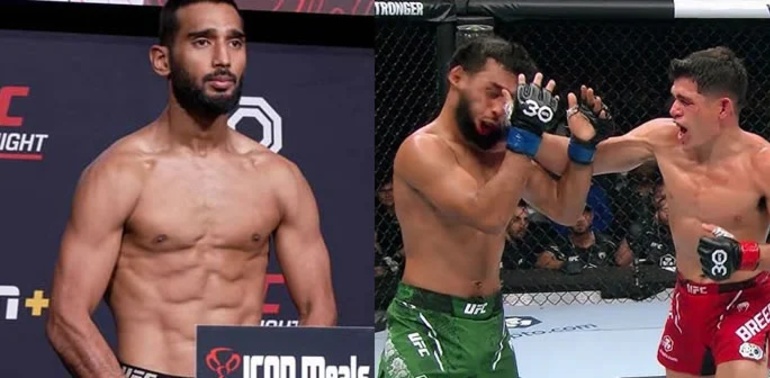
One of the biggest aspirations for MMA fighters worldwide is competing in the Ultimate Fighting Championship, widely regarded as the premier organization in the sport. Reaching that level requires years of dedication, consistent performances, and success against increasingly difficult opponents. For Indian fighters, the path is often more complicated due to fewer opportunities to compete against elite international talent.
Sports analysts believe that regular exposure to high-level competition is essential for the development of fighters. Athletes who compete frequently against experienced opponents tend to improve more rapidly and gain valuable experience in different fighting styles and situations.
Despite the challenges, Indian MMA has shown encouraging signs of growth. Several domestic promotions have emerged in recent years, providing athletes with opportunities to compete professionally and build their records. These organizations have also helped increase awareness of the sport among younger audiences.
Fitness culture in India has expanded significantly, contributing to greater interest in martial arts and combat sports. More athletes are now exploring disciplines such as wrestling, Brazilian jiu-jitsu, kickboxing, and Muay Thai, which form the foundation of modern mixed martial arts.
Experts believe that greater investment in grassroots programs, coaching development, sports infrastructure, and athlete support systems could accelerate the growth of MMA in India. Partnerships with international organizations and increased sponsorship opportunities may also help create sustainable career pathways for aspiring fighters.
The success of Indian athletes on global platforms could further inspire participation and attract attention from investors and sports administrators. Many within the MMA community remain optimistic that India has the talent and potential to become a significant force in the sport in the future.
While the road to international success remains demanding, Indian MMA fighters continue to pursue their ambitions with determination. Their efforts reflect the growing popularity of the sport and the desire to represent the country on the biggest stages in global mixed martial arts.