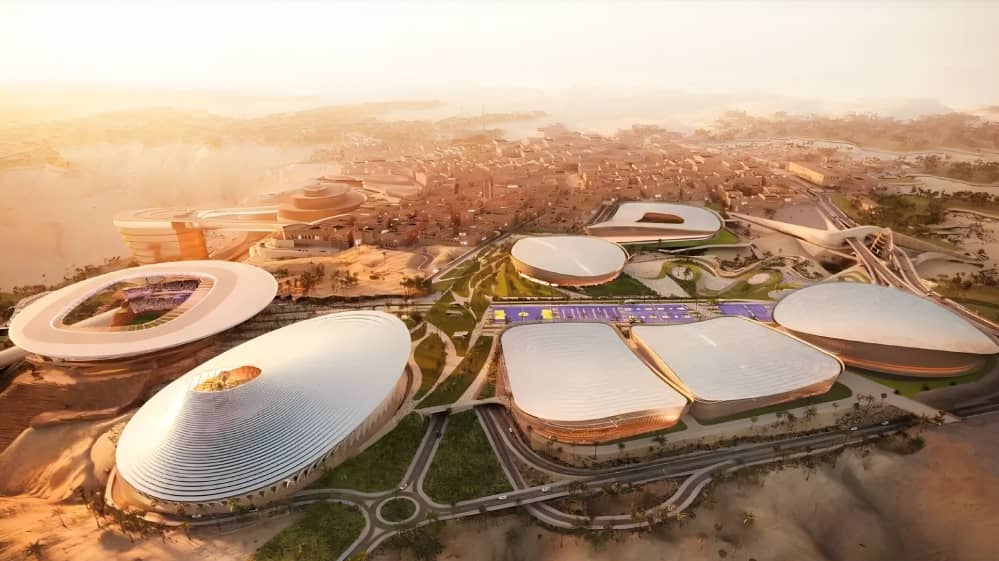

Escalating tensions in the Middle East, particularly involving Iran and Israel, are beginning to have a noticeable impact on the region’s sporting landscape. The situation has led to disruptions in scheduled events, travel uncertainties for athletes, and growing concerns about the future of sports development in the Gulf region.
Countries in the Gulf have, over the past decade, invested heavily in building a reputation as global sporting destinations. From hosting international tournaments to developing world class infrastructure, the region has aimed to position itself as a major hub for sports. However, the current geopolitical situation has exposed vulnerabilities in these ambitions.
One of the notable incidents highlighting the impact of the tensions involved Indian badminton player PV Sindhu, who experienced travel and logistical challenges while in Dubai. Such situations underline how quickly geopolitical developments can affect athletes, even when they are not directly involved in the conflict.
Several sporting events across the Gulf have reportedly been postponed or cancelled due to safety concerns and logistical difficulties. Organizers are facing challenges in ensuring the smooth conduct of events, including securing venues, managing travel arrangements, and maintaining participant safety. These disruptions not only affect athletes but also have financial implications for organizers and stakeholders.
The Gulf region has been actively pursuing large scale sporting ambitions, with significant investments in infrastructure, sponsorships, and event hosting rights. These efforts are part of a broader strategy to diversify economies and enhance global visibility. However, the current instability raises questions about the sustainability of such plans in the face of geopolitical risks.
Experts note that sports events require long term planning and stability. Any uncertainty related to safety or logistics can impact participation levels and audience engagement. International teams and athletes may be hesitant to travel to regions perceived as unstable, which could affect the overall success of events.
The situation also highlights the interconnected nature of global sports. Events in one part of the world can have ripple effects on schedules, player participation, and broadcasting arrangements elsewhere. As a result, geopolitical developments are increasingly becoming a factor in sports management and planning.
Despite these challenges, stakeholders in the Gulf region are likely to continue their efforts to build a strong sports ecosystem. However, there may be a greater emphasis on risk management and contingency planning in the future. Ensuring the safety of participants and maintaining the confidence of international partners will be key priorities.
The current developments serve as a reminder of how external factors can influence even well established sectors like sports. While the Gulf’s ambitions remain significant, achieving them will require navigating complex geopolitical dynamics.
As the situation evolves, the sports community will continue to monitor its impact on events and athletes. The ability of the region to adapt and respond to these challenges will play an important role in shaping its future as a global sporting destination.