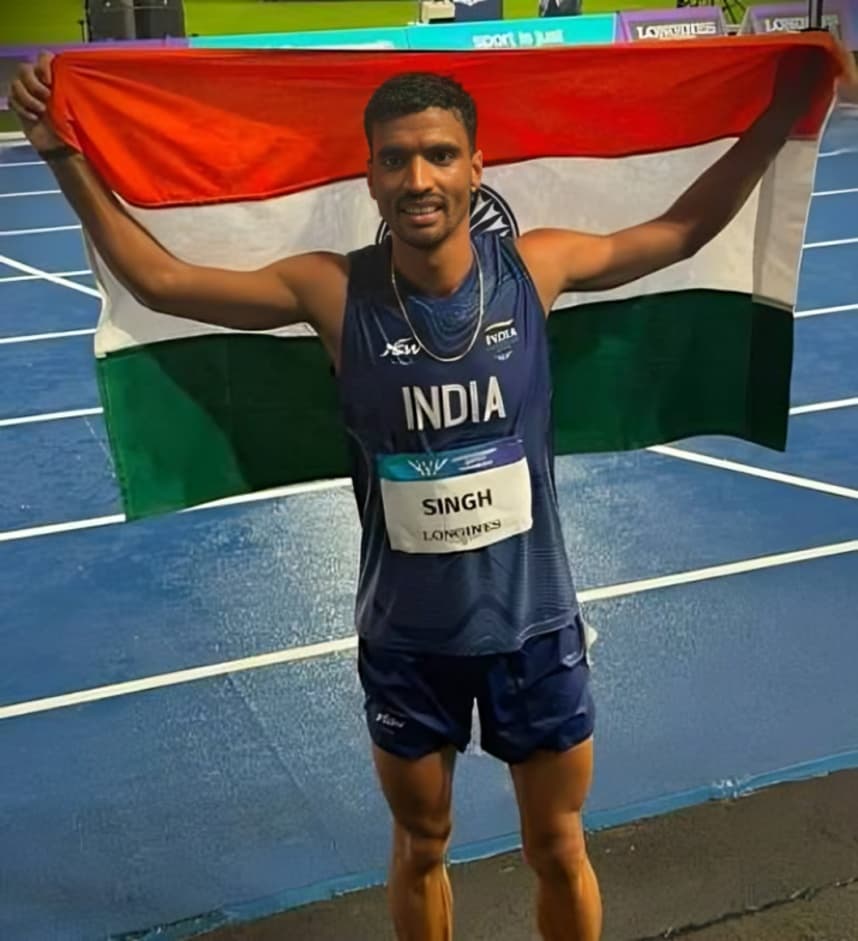
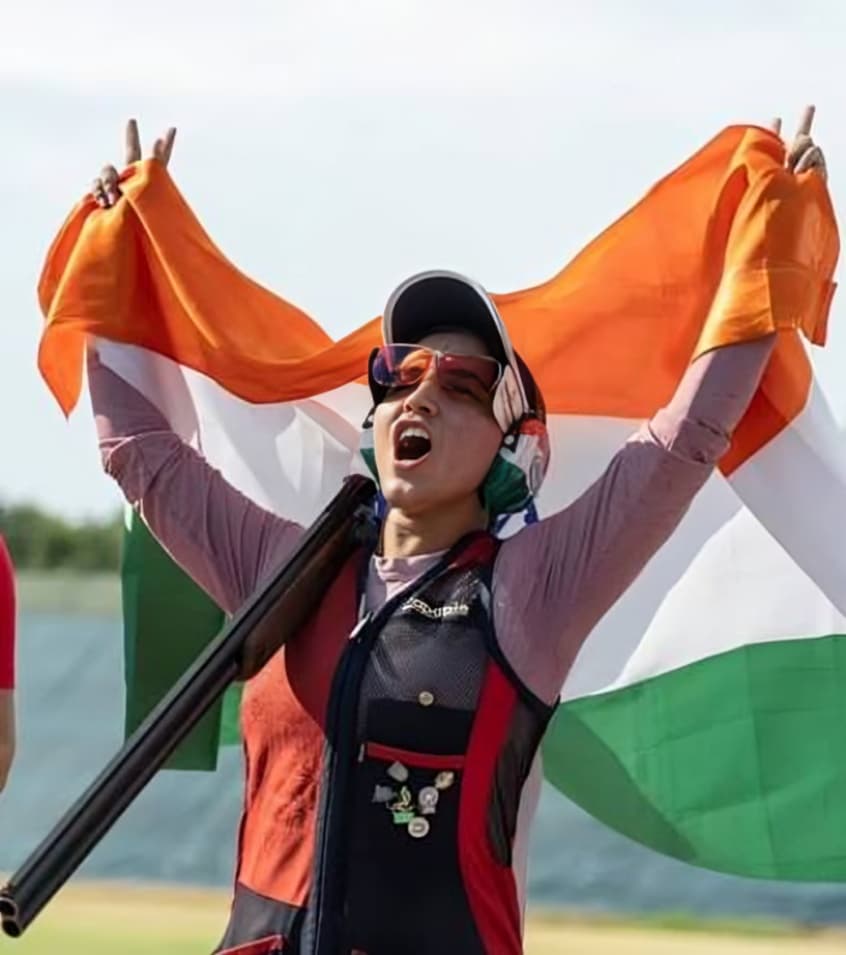
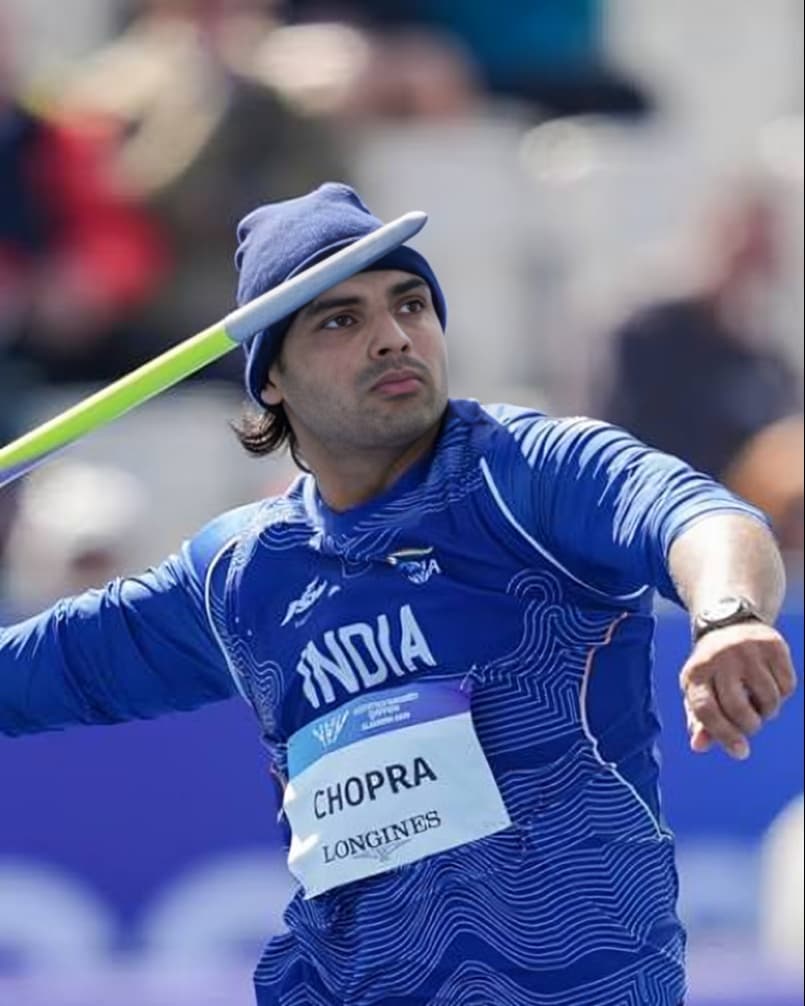
Indian long jumper Murali Sreeshankar has shared his views on the demanding schedule faced by elite athletes who compete in both the Commonwealth Games and the Asian Games within a short span of time. Speaking during an interaction with the media, Sreeshankar explained that participating in two major international competitions in consecutive months presents significant physical, mental, and strategic challenges.
The Commonwealth Games and the Asian Games are among the most important multi-sport events for athletes representing India. Success in both competitions requires months of preparation, careful planning, and consistent performance against world-class competitors. According to Sreeshankar, balancing training, travel, competition, and recovery becomes particularly difficult when the events are scheduled close together.
During the discussion, Sreeshankar noted that while every international event carries prestige, the Asian Games hold particular importance for many athletes because of the high level of competition and the opportunities they provide. Athletes from several of the world's strongest sporting nations participate in the Asian Games, making medals especially valuable for rankings, recognition, and career development.
He explained that preparing for consecutive championships is not simply about maintaining fitness. Athletes must also manage fatigue, prevent injuries, adapt to different competition environments, and maintain peak mental focus throughout an extended competitive season. Recovery periods between events become extremely important, as inadequate rest can affect performance during crucial competitions.
Sreeshankar emphasized that elite athletes work closely with coaches, physiotherapists, strength and conditioning experts, nutritionists, and sports psychologists to ensure they remain in optimal condition. Modern athletics increasingly relies on scientific training methods, performance analysis, and recovery techniques to help athletes sustain high performance during demanding competition schedules.
India has made significant progress in athletics over the past decade, with athletes delivering impressive performances at the Olympic Games, World Championships, Commonwealth Games, Asian Games, and Diamond League competitions. The country's growing investment in sports science, coaching, and athlete support has contributed to improved international results across multiple disciplines.
Murali Sreeshankar has established himself as one of India's leading long jump athletes through consistent performances at international competitions. His achievements have helped raise the profile of Indian athletics and inspired young athletes to pursue track and field events at the highest level.
The scheduling of major international competitions often presents challenges not only for athletes but also for coaches and sports administrators. Planning training cycles requires balancing competition readiness with adequate recovery, ensuring athletes can peak at the right time for multiple events during the same season.
Sports experts note that competing in back-to-back international championships requires exceptional discipline and careful workload management. Small adjustments in training intensity, nutrition, sleep, travel schedules, and rehabilitation can significantly influence an athlete's ability to perform consistently across multiple tournaments.
The Commonwealth Games and the Asian Games also differ in terms of the competitive field. While the Commonwealth Games feature athletes from Commonwealth nations, the Asian Games bring together competitors from across Asia, including several countries with strong traditions in athletics. This creates unique tactical and competitive challenges for athletes aiming to secure podium finishes at both events.
As preparations continue for future international competitions, Indian athletes remain focused on improving performance while managing increasingly demanding competition calendars. Sreeshankar's observations highlight the importance of long-term planning, scientific support, and athlete welfare in achieving sustained success on the global stage.
With India's athletics programme continuing to grow, experienced athletes such as Murali Sreeshankar play an important role in sharing insights into the realities of elite competition. His comments underline the dedication required to compete successfully at consecutive international championships while representing the country at the highest level.