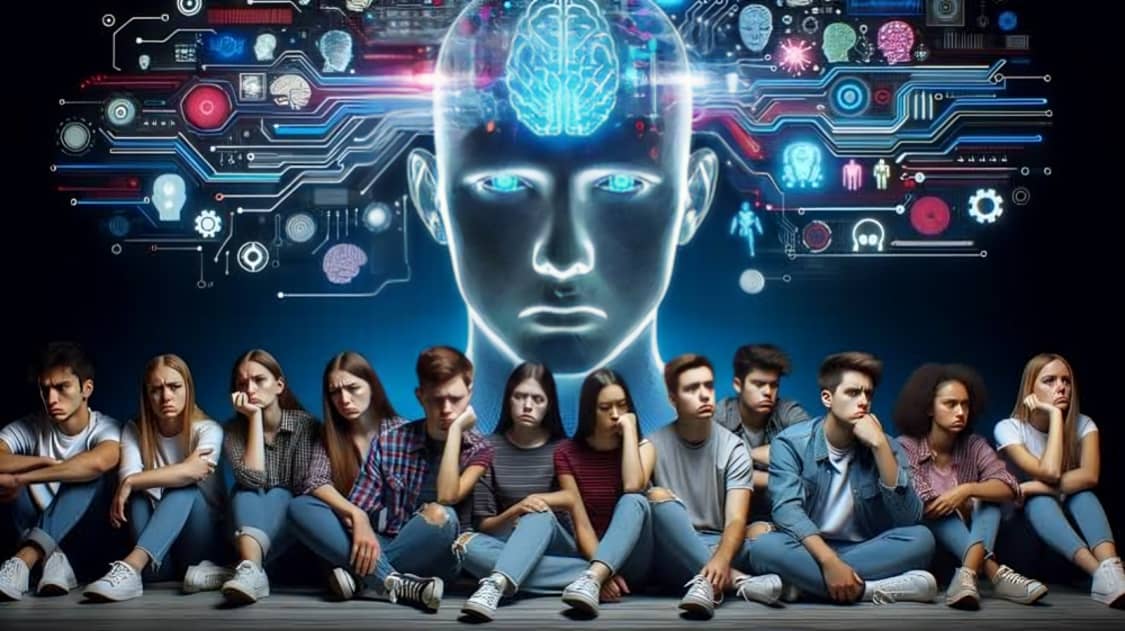
Artificial intelligence has rapidly become part of everyday life, but enthusiasm about the technology appears to be weakening among young Americans. A recent Pew Research Center survey shows that adults under the age of 30 are increasingly concerned about the future impact of AI, despite being among the age groups most likely to use AI tools.
According to the latest findings, 55 percent of Americans under 30 say they are more concerned than excited about the increasing use of artificial intelligence in daily life. The figure represents a notable change in sentiment compared with earlier years and indicates that younger users are becoming more cautious about the technology's wider consequences.
The development is significant because young adults have generally been among the most active users of AI chatbots and other AI powered services. Pew Research Center found that adults aged 18 to 29 are more likely than older adults to use chatbots for several purposes, including searching for information and work related activities.
However, frequent use does not necessarily mean greater confidence in the technology's long term impact. The survey shows that younger Americans are more likely to believe AI could have a negative effect on society and on their own lives.
Job Security Becomes Major Concern
Employment is one of the most important factors behind the growing anxiety surrounding AI. Rapid advances in generative AI have raised questions about whether companies will automate tasks previously performed by employees.
A separate Axios Generation Lab survey reported that 27 percent of Americans aged 18 to 34 said they or someone they know had already lost a job because of AI. The report also found that young adults increasingly believe AI could replace jobs in the coming decades.
The concern is particularly relevant for young people entering the workforce. Graduates and early career employees are often seeking their first professional opportunities, and the possibility that AI could automate entry level tasks has generated uncertainty about future career paths.
At the same time, the extent to which AI has actually caused job losses remains a subject of debate. Survey findings reflect people's perceptions and experiences, rather than proving that AI is directly responsible for all reported employment changes.
Young Users Still Make Extensive Use of AI
Despite the concerns, younger Americans continue to use AI extensively. Pew's research found that adults under 30 are among the most confident age groups when it comes to using AI chatbots.
Around three in ten adults aged 18 to 29 said they were extremely or very confident in their ability to use AI chatbots. Younger users also reported using chatbots for information, work, entertainment and other purposes.
This creates an interesting contrast. Young people are comfortable using AI tools while simultaneously expressing concern about what the technology could mean for their careers and society.
Concerns Extend Beyond Employment
The worries surrounding AI are not limited to jobs. Young Americans are also concerned about how artificial intelligence could affect human relationships, creativity and social interaction.
Pew Research Center found that younger adults are more likely than older groups to believe AI will have a negative impact on society. The research also indicates that people are concerned about the speed at which AI technology is advancing. Roughly two thirds of Americans say AI is progressing too quickly.
The American Psychological Association has similarly reported that half of US adults are more concerned than excited about the increasing use of AI in everyday life. The organisation also found substantial concern about AI's potential effect on human skills and relationships.
A Changing Attitude Toward AI
The latest findings suggest that public opinion about AI is becoming more complicated. Instead of viewing the technology as simply beneficial or harmful, many people appear to recognise both its advantages and potential risks.
For young Americans, this balance may be particularly important because they are likely to experience the long term effects of AI on education, employment and everyday life.
AI could create new types of jobs and improve productivity in many industries. At the same time, some existing tasks may become automated, requiring workers to develop new skills and adapt to changing workplace expectations.
The growing concern among young users could therefore increase pressure on governments, educational institutions and businesses to provide better training and support for workers affected by technological change.
What It Means for the Future
The changing attitude toward AI does not necessarily mean that young people are rejecting the technology. Instead, the findings suggest that many young users want greater clarity about how AI will affect their lives.
Education and workforce training could play an important role in addressing these concerns. Teaching students how to use AI effectively, verify AI generated information and develop skills that complement automated systems could help them prepare for a changing employment market.
The debate is likely to continue as AI systems become more capable and their use expands across industries.
For now, the survey provides an important indication that enthusiasm alone is no longer defining the relationship between young Americans and artificial intelligence. Many young users are actively using AI while also questioning its impact on jobs, society and their own future.
The findings highlight a growing need for policymakers, technology companies and educational institutions to address these concerns transparently as AI becomes increasingly integrated into everyday life.