Apple Secures Partial Win in Trade Secrets Lawsuit Against OpenAI
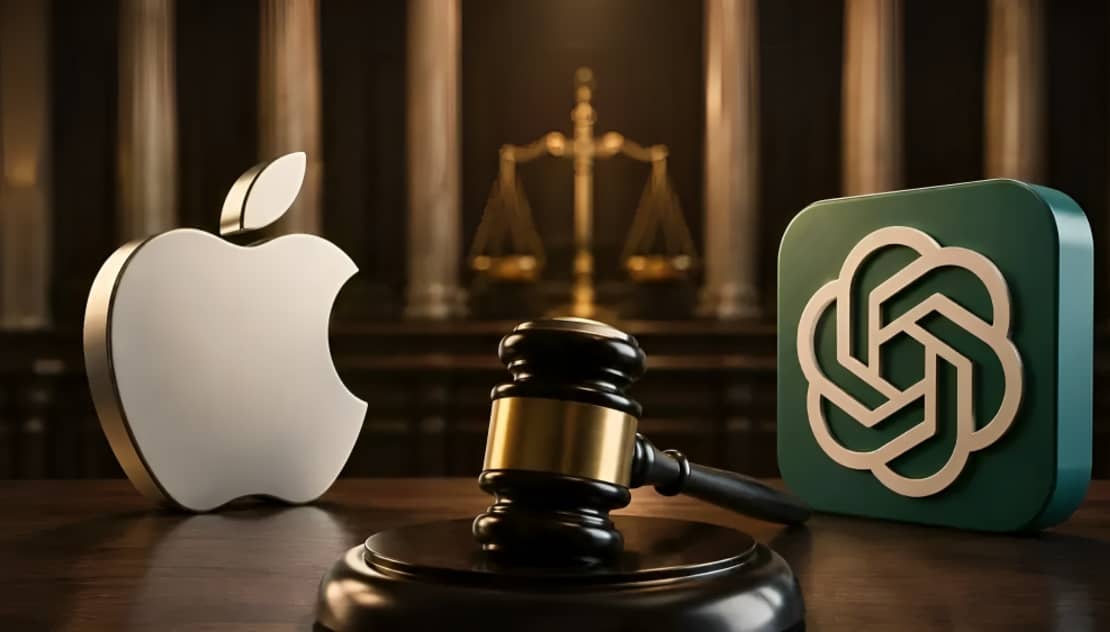
Apple has secured a partial victory in its trade secrets lawsuit against OpenAI after a US federal judge ordered faster disclosure of selected documents related to the hiring of former Apple employees. The ruling represents a development in the legal dispute between the technology companies, which has drawn attention amid reports that OpenAI is developing consumer hardware.
According to a report published by TechCrunch on October 13, 2026, the court granted Apple's request for expedited access to certain hiring materials and private messages. However, the judge did not approve all the requests made by Apple, particularly those seeking wider access to OpenAI's research and development activities.
The case is still ongoing, and the latest ruling does not establish that OpenAI or any individual has misappropriated Apple's trade secrets.
Court Orders Faster Disclosure of Hiring Records
The court directed OpenAI to provide materials connected to interviews involving former Apple employees who applied for positions in OpenAI's consumer hardware and robotics groups.
The documents may include interview checklists, instructions, guides, manuals, scripts, technical presentations and records indicating whether discussions involved Apple technology or components.
According to TechCrunch, OpenAI was given five days to hand over materials it had already collected and 14 days to produce other materials covered by the request. The accelerated timetable reflects Apple's argument that the records are relevant to its allegations and should be made available without further delay.
Hiring documents can be important in a trade secrets dispute because they may help establish what information candidates discussed during recruitment and whether confidential technical details were mentioned. However, the existence of such records does not itself prove that trade secrets were improperly shared or used.
Dispute Involves Former Apple Employees
Apple filed the lawsuit in July 2026, alleging that former employees who joined OpenAI had mishandled confidential company information. The dispute includes allegations concerning access to internal files, technical specifications, engineering presentations and information about products or technologies that had not been publicly announced.
Apple has also alleged that a former employee used an Apple laptop to access or download confidential material. The company has argued that information connected to its internal engineering work may have been relevant to activities at OpenAI.
These claims remain allegations made in litigation. They must be distinguished from facts established by a final court judgment.
OpenAI has previously disputed Apple's characterisation of the matter and has said it does not want or possess Apple's trade secrets. The parties' competing positions will be considered as the legal process continues.
The lawsuit is significant because experienced employees often move between technology companies, taking their professional skills and general knowledge with them. At the same time, companies have legal interests in protecting confidential designs, technical documents, proprietary processes and other trade secrets.
Private Messages and Depositions Also Included
The judge also allowed Apple access to certain private messages exchanged through LINE, a messaging application, between individuals named in the case. The messages involve OpenAI employees Chang Liu and Alyssa Peng, according to TechCrunch.
The court further approved depositions of three former Apple employees: Chang Liu, Alyssa Peng and Tang Yew Tan, who is OpenAI's chief hardware officer.
A deposition is a formal process in which a witness answers questions under oath before trial. Lawyers can use depositions to gather evidence, clarify disputed facts and understand what a witness knows about the issues in a lawsuit.
The approved depositions may help both sides examine the circumstances surrounding employee departures, recruitment discussions and the handling of confidential information. Their significance will depend on the evidence produced and how it relates to the claims before the court.
The order does not mean the court has accepted Apple's allegations as proven. Instead, it determines which categories of evidence can be gathered more quickly as the case proceeds.
Judge Rejects Some of Apple's Requests
Although Apple obtained faster access to selected materials, the judge declined to grant several broader discovery requests.
These included requests for expedited access to certain OpenAI research and development information involving areas such as metal finishes and power management. The court also rejected requests for wider access to OpenAI's hardware research and information about work performed by former Apple employees after joining OpenAI.
However, the judge left open the possibility that Apple could narrow some of its requests and submit them again. This means the rejected requests may not necessarily be the final word on those categories of evidence.
The distinction is important: the ruling gives Apple access to specific records and testimony while limiting the scope of immediate disclosure in other areas. It does not amount to a final decision on whether any trade secrets were misused.
Why the Case Matters for the Technology Industry
The lawsuit comes as technology companies increasingly compete across software, artificial intelligence and consumer hardware. OpenAI's work on consumer devices has attracted industry attention because AI-powered hardware could offer new ways for people to interact with digital services.
Apple, meanwhile, has a strong interest in protecting its proprietary technology and maintaining safeguards around confidential engineering information. The dispute highlights the legal and commercial challenges that arise when employees move between competing companies.
For technology businesses, the case also underscores the importance of clear rules for handling confidential documents, properly managing employee access to internal systems and maintaining safeguards when staff leave an organisation.
The outcome could influence how the parties handle evidence and could provide further details about the allegations as court proceedings continue. However, it would be premature to conclude that the ruling determines the future of OpenAI's hardware plans or establishes liability for the alleged conduct.
What Happens Next?
The lawsuit will continue as the parties gather and examine evidence under the court's orders. Apple's ability to review the selected hiring materials and messages may help it develop its arguments, while OpenAI retains the opportunity to contest the allegations and respond through the legal process.
Further court filings or rulings may clarify the scope of the dispute and whether additional evidence will be disclosed.
For now, the latest decision is a partial procedural win for Apple, rather than a final judgment on the merits of the case. The central question of whether confidential information was improperly taken or used remains unresolved.