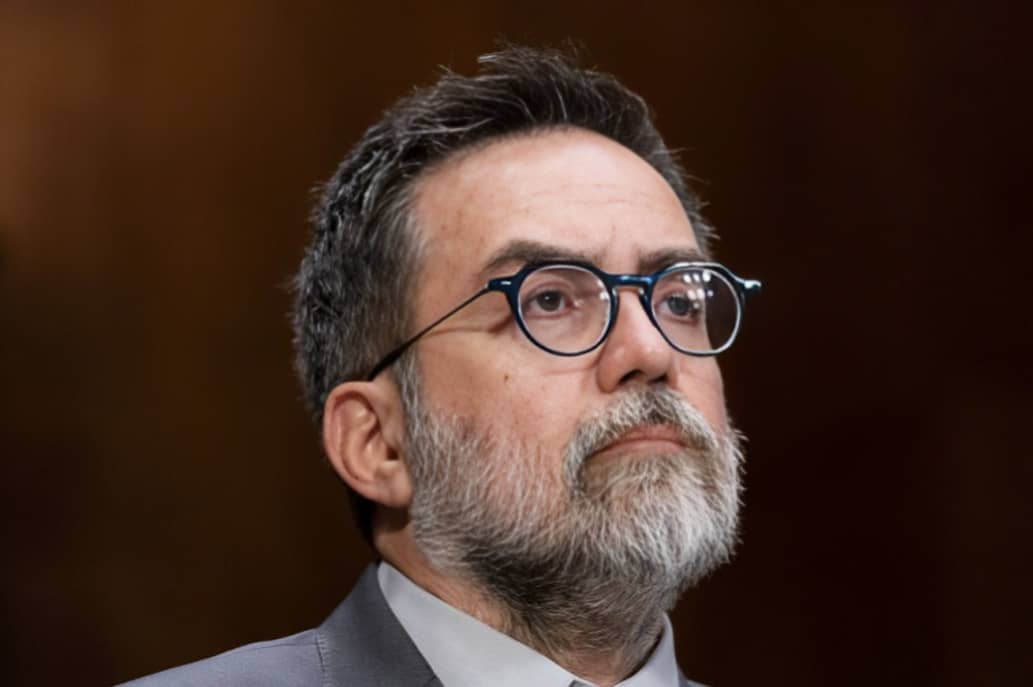
Former Meta engineer Arturo Bejar has returned to the witness stand in a major federal trial in the United States that is examining allegations concerning the impact of Facebook and Instagram on children and teenagers.
The case is being heard in federal court in Oakland, California. A group of US states has accused Meta, the parent company of Facebook and Instagram, of deliberately designing its platforms in ways that could encourage young users to spend extended periods on the services.
The states also allege that Meta knew about potential risks to young users and did not take sufficient measures to address them. The allegations include claims relating to youth mental health, platform design and the collection of information from children under the age of 13. Meta has denied the allegations and has pointed to measures it has introduced to improve safety for younger users.
Bejar is a significant witness in the proceedings because of his previous experience working at Meta. He worked at Facebook from 2009 to 2015 and later returned as a consultant between 2019 and 2021. During his time with the company, he worked on issues related to user experience and safety.
In his testimony, Bejar said internal information showed that young users reported experiences involving anxiety, depression and other mental health concerns. He argued that the company's internal approach did not adequately reflect the seriousness of the problems being reported.
According to Reuters, Bejar also criticised the way Meta measured and reported safety problems. He said the company's reporting system concentrated heavily on content policy violations rather than measuring the harm users said they experienced.
The witness had previously raised concerns with senior Meta executives. His testimony is therefore being closely watched because it could provide the court with information about how the company handled internal safety concerns.
The case involves attorneys general from several US states, including California, Colorado, Kentucky and New Jersey. It forms part of a broader legal campaign involving multiple states that have challenged the safety practices of major social media companies.
The lawsuit alleges that Meta used platform features that encouraged continued engagement among young users. Authorities have also raised questions about whether the company adequately prevented children below the permitted age from accessing its services.
One of the important issues before the court is whether Meta knew about potential risks and, if so, whether the company responded appropriately. The legal proceedings will examine evidence, internal communications and testimony from current and former company personnel.
Meta has strongly disputed the allegations. The company has argued that evidence presented by the states can be interpreted differently and that it has introduced numerous tools designed to improve safety for teenagers and younger users.
The company has also pointed to measures such as parental controls, restrictions for teen accounts and systems intended to identify and remove underage users. Meta maintains that protecting young people online is an important part of its ongoing work.
The trial comes at a time when technology companies are facing growing scrutiny over the effects of social media on children. Governments, parents and advocacy groups in several countries have questioned whether existing safeguards are sufficient.
The legal debate extends beyond individual posts or incidents. Instead, the case examines broader questions about how social media platforms are designed, how companies evaluate safety risks and what responsibilities technology companies have towards younger users.
The proceedings are also significant because they could influence future regulations and legal actions involving social media platforms. A ruling against Meta could potentially lead to additional scrutiny of its product design and youth safety policies.
The case follows other legal proceedings involving allegations that social media platforms contributed to harm among young users. In a separate New Mexico case, a court recently ordered Meta to pay hundreds of millions of dollars and implement measures addressing children's online safety. Meta has said it intends to appeal that decision.
The current federal trial is expected to continue for several weeks. The court will consider evidence from the states as well as Meta's defence before reaching a final decision.
Bejar's testimony is likely to remain an important part of the proceedings because he can provide insight into the company's internal discussions and safety practices based on his previous roles.
However, the allegations presented in court should not be treated as established facts until the legal process is completed. Meta continues to deny wrongdoing, while the states are seeking to prove that the company violated consumer protection and child safety laws.
The trial could ultimately have implications beyond Meta. If the court determines that social media companies have stronger legal responsibilities to protect children from potentially harmful platform designs, it could influence how other technology companies develop youth accounts, safety systems and engagement features.
For parents and young users, the case highlights the continuing debate over online safety and the responsibilities of technology companies. The proceedings may also encourage further discussion about age verification, parental supervision and the design of social media products used by teenagers.
The final outcome will depend on the evidence presented during the trial and the court's assessment of the claims made by the states and Meta's response. For now, the testimony of former employees such as Arturo Bejar is providing the court with an inside view of the company's approach to youth safety and the concerns raised within the organisation.