
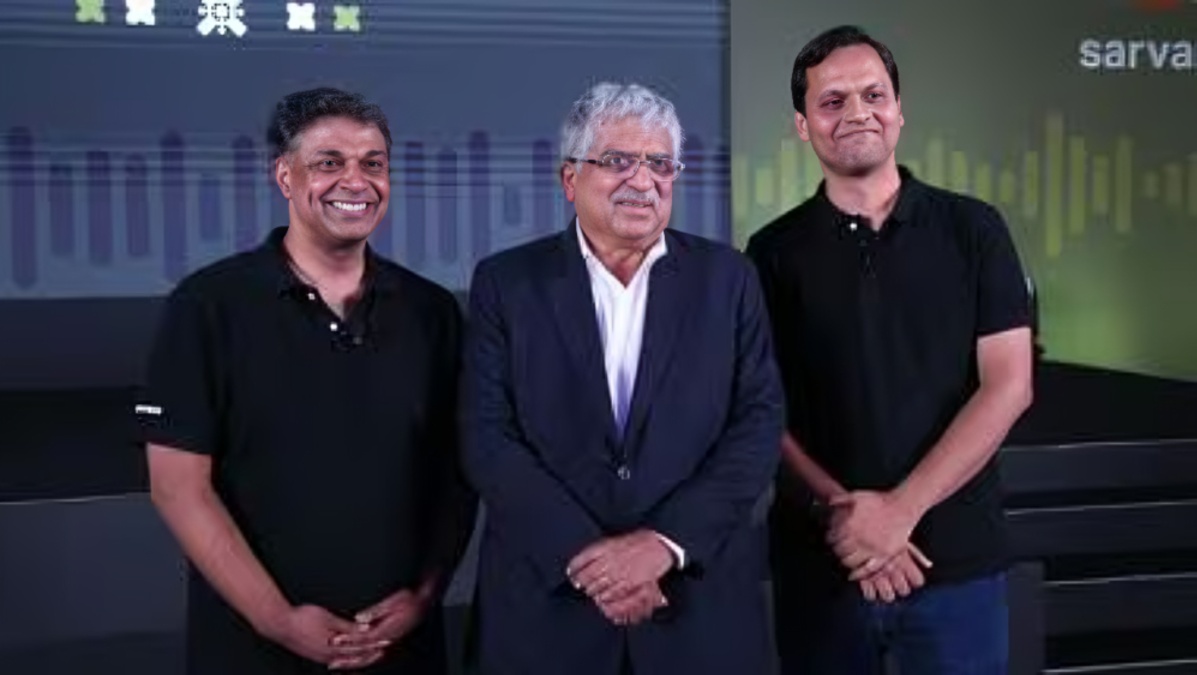
Indian artificial intelligence company Sarvam has launched a new community initiative called Sarvam Champions, aimed at creators and developer community leaders who are actively building with the company's AI models and products.
The programme is designed to help more people learn, build and grow with Sarvam while strengthening the company's developer ecosystem. Sarvam has created two separate tracks under the programme, namely Creators and City Leads. Each track has different responsibilities but shares the broader goal of encouraging more people to use and contribute to the Sarvam ecosystem.
The Creator track is intended for developers and technical creators who are already building projects using Sarvam's AI tools. Selected Creators will receive early access to upcoming models and products before they are released publicly. They will also have direct access to Sarvam's product and engineering teams.
According to Sarvam, Creators will be expected to produce practical technical material that can help other developers learn how to use its technology. This can include tutorials, technical guides, cookbook style resources, live coding sessions and build along programmes. Creators can also showcase real projects developed using Sarvam products.
Another important responsibility for Creators is providing feedback to Sarvam. Through direct interaction with the company's teams, participants can report their experiences, suggest improvements and share observations about how developers are using the company's models and APIs.
The second track is the City Lead programme. It is aimed at people who already operate local developer communities and want to help expand AI related activities in their cities. City Leads will organise community events such as meetups, buildathons, fireside discussions and hands on workshops.
Sarvam says approved City Lead events will receive financial and organisational support. The company will provide playbooks and content to help organisers conduct events and will support approved expenses associated with hosting them. City Leads are expected to conduct at least one Sarvam related event each month.
The programme is not limited to developers who work exclusively with Sarvam. The company's application process asks Creators to demonstrate previous technical work, while City Leads are expected to show evidence of their experience in running credible developer communities or events.
Sarvam says applicants can either apply directly or be nominated by another person. The selection process includes an application or nomination stage, a review of the applicant's work, a discussion with the Sarvam team and, for successful candidates, joining the programme after signing the Champion agreement.
The company says it will consider factors such as proof of work, community presence and the applicant's willingness to contribute regularly. This means the programme is intended for people who are already active builders or community organisers rather than applicants with only a general interest in artificial intelligence.
Selected Champions will also become part of a private community where they can connect with other creators, developers and community leaders. Sarvam says this space will allow participants to exchange ideas, collaborate and learn from one another.
Early access is another major benefit. Champions will be able to try selected Sarvam models and products before their public release. This could give developers an opportunity to experiment with new capabilities and build applications ahead of broader availability.
Direct access to the company is also central to the programme. Sarvam says Champions will be able to communicate with its product and engineering teams, allowing participants to provide feedback and discuss their development experiences.
The launch comes as Sarvam continues to expand its AI platform and developer ecosystem. The company has been developing models and applications aimed at Indian language use cases and has expanded its offerings across speech, text, vision and agent based applications.
Earlier this year, Sarvam introduced new large language models and other AI systems, including models designed for reasoning, speech recognition, speech generation and document understanding. The company has also been working to make its technology available across a range of applications and devices.
The Champions programme therefore represents another step in Sarvam's effort to encourage external developers to build on its technology. Rather than relying entirely on an internal product team, the company is attempting to create a wider community of developers who can experiment with its models and help demonstrate practical use cases.
For AI creators, early access can be useful because new models often provide opportunities to develop applications before they become widely available. Technical creators can also use such access to prepare tutorials, demonstrations and educational material for other developers.
For local community organisers, the City Lead programme offers a different set of opportunities. Community leaders can receive support for approved events while connecting local developers with Sarvam's technology. This could help create more local AI meetups and hands on learning opportunities.
The programme also reflects a broader trend in the technology sector, where AI companies are increasingly building developer ecosystems around their models. Such communities can help companies receive feedback, discover new use cases and increase adoption among technical users.
Sarvam's focus on local communities is particularly relevant to India's growing AI development ecosystem. Developer communities in different cities can play an important role in helping students, engineers, startup founders and independent creators gain practical experience with AI technologies.
The company is also seeking to make participation more structured. Rather than simply offering a general online community, the Champions programme creates defined roles, expectations and benefits for people who actively contribute.
Creators have a responsibility to share useful technical resources and real projects, while City Leads have a responsibility to organise community activities. In return, participants receive access, support and opportunities to connect with Sarvam's teams and other builders.
Sarvam has stated that the Champions programme is open to applications and that applications are reviewed on a rolling basis. The company has provided an application form on its website where prospective members are asked to provide details about their technical work, community involvement, online presence and previous experience with Sarvam APIs.
The application process is different for the two tracks. Creators are expected to submit examples of technical content or real projects, while City Leads need to provide information about events or communities they have already organised.
This requirement is intended to ensure that the programme attracts participants with demonstrated experience rather than people joining only to receive early access to products.
Sarvam has also established a code of conduct for participants. Selected members are expected to contribute regularly and maintain the standards required by the programme.
Another notable feature is that the initiative is free to join, according to Sarvam's programme information. However, benefits such as event funding are subject to approval and the specific rules of the City Lead track.
For approved City Lead events, Sarvam says it can support costs such as venue related expenses, catering and event materials. Prize money is not included in the programme's event funding arrangement.
The programme could also help Sarvam develop stronger relationships with developers outside major technology hubs. Local events provide opportunities for the company to learn about the needs of developers in different cities and regions.
For creators, the feedback mechanism may be equally important. AI products evolve rapidly, and developers who build real applications often identify practical issues that may not be visible through internal testing alone. Their feedback can help companies improve documentation, APIs, model behaviour and developer tools.
The launch also comes shortly after Sarvam's Epoch event, where the company showcased new models, products and infrastructure. The company used the event to bring developers, researchers, enterprise leaders and other members of the AI ecosystem together.
Sarvam's wider strategy is focused on building AI technology for India while also making its models useful across different sectors. The company has emphasised Indian language support and the development of a full technology stack that includes models, infrastructure and applications.
The Champions programme complements that strategy by encouraging independent builders to create applications around the company's technology. If more developers build and share practical solutions, Sarvam can expand the range of use cases associated with its models.
The programme may also provide opportunities for technical educators. Tutorials, cookbooks, live coding sessions and build along resources can help developers who are beginning to work with AI APIs understand how to move from experimentation to practical applications.
For Indian startups, an active developer ecosystem can also help create new applications using locally developed models. Developers can experiment with Indian language applications, document processing, voice interfaces, enterprise tools and other AI use cases.
At the same time, participants should understand that selection into the programme is not automatic. Sarvam says applicants are evaluated on their previous work, community presence and willingness to contribute. Acceptance therefore depends on meeting the company's selection criteria.
The programme's two track structure provides flexibility for people with different interests. A technical creator may focus on building applications and educational content, while a community organiser can focus on bringing developers together through local events.
For Sarvam, the initiative could provide a direct channel for understanding how its AI technology is being used outside the company. Feedback from developers can help identify practical needs and potentially influence future product development.
The private Champions community may also encourage collaboration between participants from different cities and technical backgrounds. Such interaction can lead to knowledge sharing and potentially new projects built around Sarvam's AI models.
The initiative comes at a time when India is building a larger domestic AI ecosystem. Indian companies, startups, universities and government programmes are investing in models, infrastructure and applications designed for local requirements.
Sarvam is one of the companies participating in this broader development. Its existing model portfolio includes large language models as well as speech and vision technologies, while its platform provides APIs that developers can use to build applications.
The Champions programme is therefore aimed not just at increasing product awareness but also at building a network of people who actively contribute to the company's technology community.
The initiative could be particularly useful for developers looking to gain early exposure to new AI capabilities. Access to pre release products can allow them to test ideas, prepare projects and provide feedback before the technology reaches a larger audience.
For community leaders, financial support for approved events can lower some of the practical barriers involved in organising developer programmes. Sarvam's playbooks and content are also intended to make these events easier to plan and conduct.
However, participants will also have responsibilities. Creators are expected to publish useful technical resources and demonstrate real projects, while City Leads are expected to organise regular events and communicate the needs of their local communities.
This makes Sarvam Champions different from a conventional promotional programme. The company is positioning it as a two way relationship in which participants receive access and support while contributing content, projects, feedback and community activity.
Applications are currently open through Sarvam's official Champions website. The company says it reviews applications on a rolling basis, meaning interested applicants do not have to wait for a fixed annual application cycle.
For prospective applicants, the strongest preparation would be to demonstrate actual work. Creators can showcase applications, tutorials, technical articles or other projects built with Sarvam technology. City Lead applicants can demonstrate previous meetups, workshops or developer communities they have managed.
The programme's development will also be worth watching as Sarvam releases new AI models and products. More advanced models could create additional opportunities for Champions to build new applications and educational material.
Overall, Sarvam Champions represents an effort to expand the company's AI ecosystem by involving creators and community leaders directly. Early access, technical interaction and community support form the main benefits, while content creation, project building and regular community engagement form the principal responsibilities.
The initiative also shows how Indian AI companies are increasingly focusing on developer ecosystems rather than relying solely on direct product adoption. By empowering people who can build, teach and organise, Sarvam hopes to create a wider community around its AI technology.
As applications continue to be reviewed, the success of the programme will ultimately depend on how effectively Champions turn early access into useful projects, practical learning resources and stronger local AI communities.