Consumers planning to purchase air conditioners, LED televisions, washing machines, refrigerators and other household appliances during the upcoming festive season may face higher prices from October 1, 2026. Several manufacturers are preparing to revise prices as rising costs of key raw materials, freight and currency-related expenses put pressure on their margins.
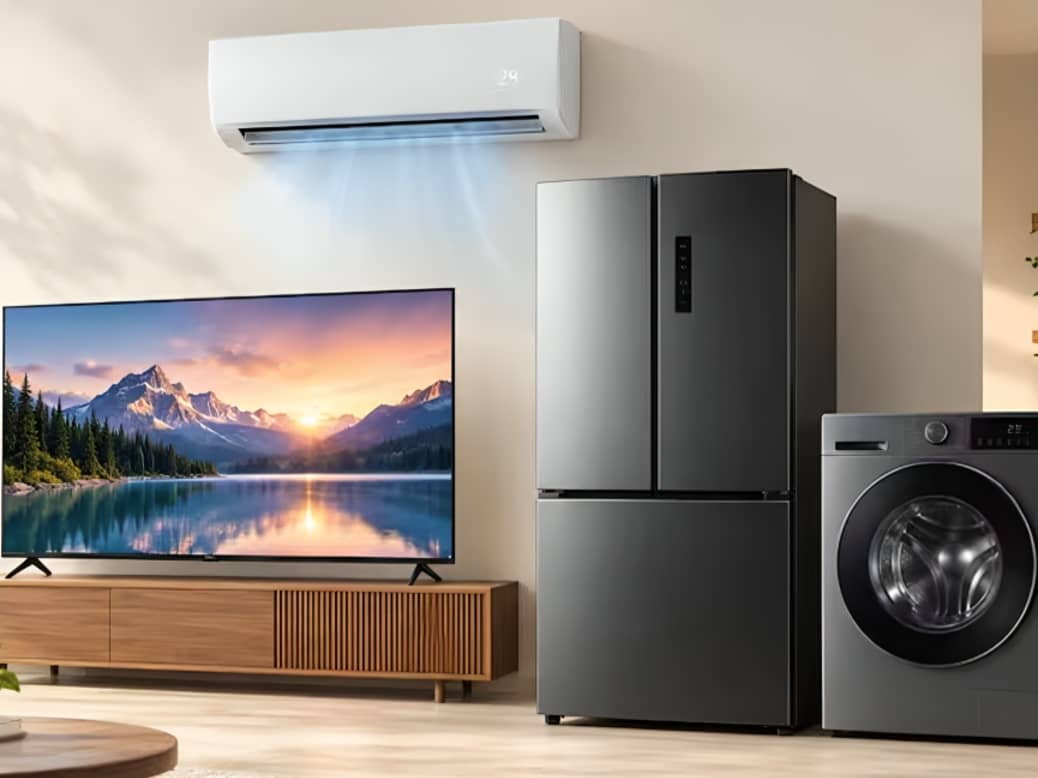
According to industry executives cited by PTI, air conditioner prices are expected to increase by around 5 to 8 percent from October 1. Some manufacturers are also raising prices of LED TVs, washing machines and refrigerators by around 3 to 4 percent, while other companies are still evaluating whether a price revision is necessary. The latest round is expected to be the third major price increase for the consumer electronics and appliance industry during 2026.
Why Are Appliance Prices Increasing?
Manufacturers have attributed the latest price revisions mainly to higher input costs. Copper, steel and aluminium are important raw materials used across several consumer durable categories, while crude oil derivatives are also used in plastics and other components.
Freight costs have also increased, adding to manufacturing and distribution expenses. Currency movements are another factor being monitored by manufacturers, particularly because several components and raw materials are linked to global prices.
Industry executives have also pointed to continuing uncertainty in global commodity markets and supply chains. These factors have increased production costs and are prompting manufacturers to pass at least part of the additional expenses on to consumers.
AC Prices Face Significant Increase
Air conditioners are expected to see one of the most noticeable price increases. Industry executives cited by PTI have indicated that AC prices could rise by around 5 to 8 percent.
Blue Star Managing Director B Thiagarajan said the company's AC and deep-freezer prices had already increased by 5 to 8 percent because of higher commodity costs. He also indicated that the company had implemented multiple price increases during the year.
Godrej Enterprises Group Business Head and Executive Vice President Kamal Nandi said commodity prices had risen significantly since the previous revision and that another industry-wide increase was becoming necessary. According to his comments reported by PTI, price increases of around 5 to 7 percent could be implemented across categories, although the timing may differ between manufacturers.
Haier India has announced plans to increase room air conditioner prices by around 5 percent from October 1. The company has also indicated that prices of categories such as LED TVs and washing machines could increase by around 2 to 3 percent.
Haier has warned that additional price increases could be considered later if commodity costs remain elevated. The company has indicated a possible cumulative increase of around 15 percent between October and January, subject to market conditions and input costs. This is a company-specific plan and should not be treated as a uniform increase across the entire industry.
Daikin, LG and Hitachi AC Prices
Daikin Airconditioning India has already increased prices of some products, with its chairman and managing director Kanwaljeet Jawa citing higher copper and other commodity costs.
Reports citing industry sources also said LG and Bosch Home Comfort, which owns the Hitachi air conditioner brand, had increased AC prices by around 5 percent.
The exact increase can vary depending on the company, product category, model and market. Consumers should therefore check the latest price with authorised dealers before making a purchase.
TV and Washing Machine Prices
The expected price increases are not restricted to air conditioners. Some manufacturers are also increasing prices of LED televisions, washing machines and refrigerators.
Industry executives cited by PTI said increases in these categories could be around 3 to 4 percent for some manufacturers. Haier has indicated a 2 to 3 percent increase in categories including LED TVs and washing machines.
Super Plastronics, which markets television brands including Thomson, Kodak and Blaupunkt in India, has also indicated plans to raise TV prices. The company has said higher costs and global uncertainty could affect consumer sentiment during the festive period.
However, not every manufacturer has confirmed a price increase. Panasonic, for example, has said it is evaluating the market situation and cost pressures before deciding on further price revisions.
Why Consumers May Still Get Old Prices
One of the important factors for consumers during the festive season is existing dealer inventory.
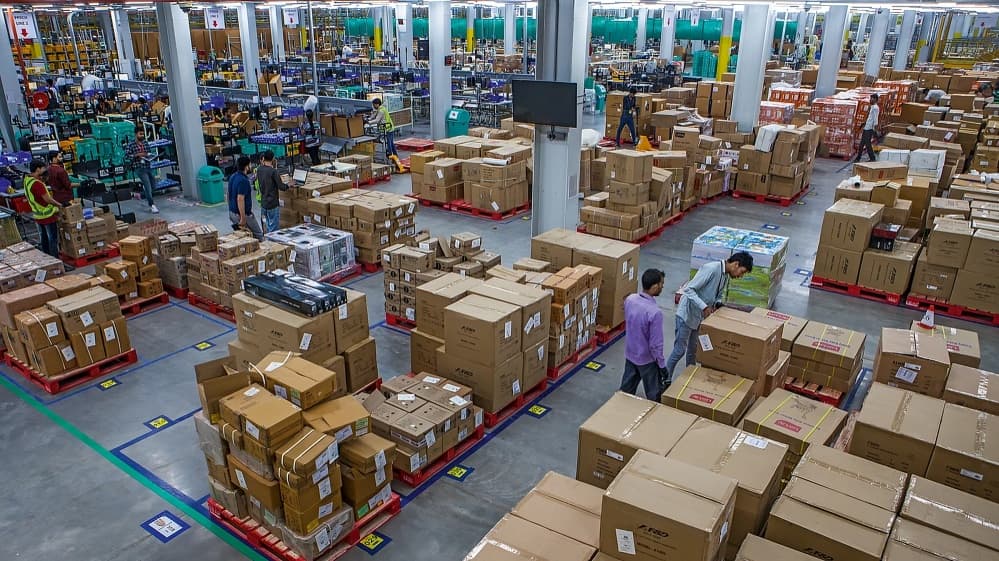
Manufacturers and distributors often build inventory ahead of major shopping periods. Some dealers purchased products before the latest price increases, meaning those units may have been acquired at older wholesale prices.
As a result, customers could still find selected models being sold at existing prices even after manufacturers announce new price lists.
Godrej's Kamal Nandi said dealer inventories could last for roughly one to one-and-a-half months in some cases. He indicated that products purchased before the price increases could continue to reach consumers during the festive period, including the Diwali shopping season.
This does not mean every product will remain available at the old price. Inventory levels differ by brand, model, dealer and location. Once older stock is exhausted, retailers are likely to begin selling products based on the revised prices.
What Buyers Should Check Before Purchasing
Consumers planning to purchase an appliance during the festive season may want to compare prices from multiple authorised retailers. The same model may be available at different prices depending on existing inventory, discounts and promotional offers.
Buyers should also check the model number carefully because older and newer versions of a product can have similar specifications but different prices.
It is also important to consider the final invoice price rather than only the advertised discount. Consumers should compare the product price, installation charges, delivery charges, warranty terms and any applicable exchange or promotional benefits.
For air conditioners, buyers should additionally check the energy rating, cooling capacity, installation requirements and warranty conditions. For televisions, screen size, panel technology and smart features can affect prices considerably. For washing machines and refrigerators, capacity and energy efficiency can also influence the final cost.
Festive Discounts May Offset Part of the Increase
The price increase comes at a time when manufacturers and retailers traditionally offer festive promotions. Discounts, exchange offers, bank offers and other incentives may reduce the effective purchase price for some customers.
However, the existence of a festive discount does not necessarily mean that the product is being sold below its earlier market price. Consumers should compare the current final price with prices from before the revision wherever possible.
This is particularly relevant because some retailers may still have older inventory while others may already be selling products supplied after the latest price revision.
Further Price Increases Possible
Some manufacturers have indicated that prices could rise further if raw material and freight costs remain high.
Haier, for example, has indicated that it could consider additional increases after Diwali and again in January. Other manufacturers are continuing to monitor commodity prices and consumer demand before making further decisions.
The scale and timing of any future increases will depend on factors including copper, aluminium and steel prices, crude-linked costs, freight expenses, currency movements and demand during the festive season.
Impact on Festive Demand
The price increases could affect consumer demand, particularly because the festive season is normally associated with discounts and major purchases.
Some industry executives have said higher prices could put pressure on festive demand, while others expect demand to remain relatively resilient because consumers may bring forward purchases or take advantage of existing inventory and promotional offers.
The actual impact will become clearer as the festive shopping season progresses.
What Consumers Can Expect
From October 1, consumers should expect price revisions across parts of the consumer electronics and appliance market. The increases will not be identical across all brands or products.
Air conditioners are expected to see increases of around 5 to 8 percent in several cases, while some televisions, washing machines and refrigerators could become 3 to 4 percent more expensive. Some companies have announced smaller increases, while others are still assessing the situation.
At the same time, old-price inventory could provide buyers with an opportunity to purchase selected products at existing prices during the early part of the festive season. Consumers should therefore compare multiple retailers and check whether the model they want is from older inventory before making a purchase.
The latest developments show that rising input and logistics costs are continuing to influence consumer durable prices in India. Whether prices rise further after Diwali will depend largely on commodity costs, currency movements, freight expenses and overall market demand.