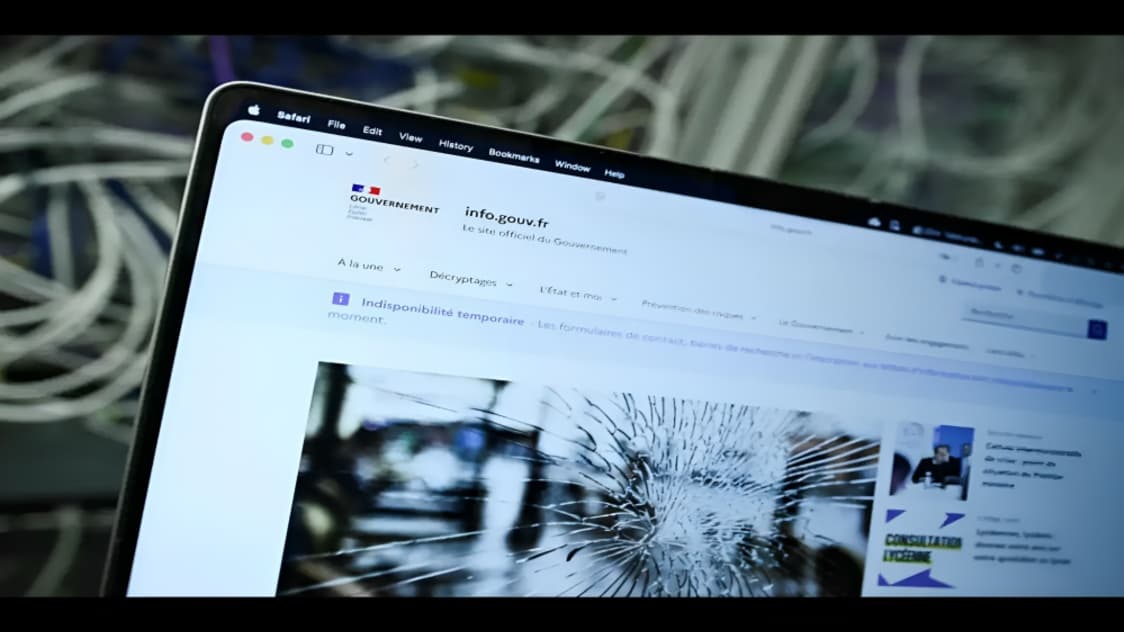
A sophisticated cyber espionage campaign attributed to a Chinese threat actor has been targeting high-value organizations across South, Southeast, and East Asia for several years. According to researchers at Palo Alto Networks Unit 42, the group, now designated as CL-UNK-1068, has been exploiting web servers, using credential-stealing tools such as Mimikatz, and deploying a variety of malware and open-source utilities to compromise critical infrastructure and maintain persistent access.
The campaign has primarily focused on high-impact sectors including aviation, energy, government, law enforcement, pharmaceuticals, technology, and telecommunications. The attackers leverage a combination of custom malware, modified open-source tools, and living-off-the-land binaries (LOLBINs), which allow them to move stealthily within networks without raising alarms. Researchers note that this approach enables long-term access to sensitive environments and reduces the likelihood of detection.
Security expert Tom Fakterman highlighted that the toolset employed by the threat actors is multi-faceted and highly adaptable. "These tools provide a simple yet effective way for the attackers to maintain a persistent presence within targeted organizations," he said. The group’s activities suggest that the primary objective of the campaign is intelligence gathering and cyber espionage, with targeted theft of strategic data from government and industrial entities across the region.
The attackers employ multiple malware families and techniques, including Godzilla, ANTSWORD, Xnote, and Fast Reverse Proxy (FRP), all previously linked to Chinese cyber operations. Both Windows and Linux servers have been affected, demonstrating the group’s cross-platform capabilities. Mimikatz, a well-known tool for harvesting credentials, is used alongside web server exploits to gain initial access and escalate privileges within networks.
Palo Alto Networks researchers assess with moderate-to-high confidence that CL-UNK-1068 represents a previously undocumented threat cluster, indicating that significant new risks are emerging for organizations in Asia. The campaign underscores the importance of securing web servers, implementing multi-factor authentication, and monitoring unusual network activity to detect and respond to advanced persistent threats.
Organizations operating in sensitive sectors are advised to adopt proactive security measures, including regular patching, restricting administrative privileges, isolating critical systems, and using threat intelligence to identify indicators of compromise. Given the sophisticated nature of this campaign, security teams should also conduct regular audits and penetration testing to ensure resilience against such attacks.
This ongoing cyber threat highlights the increasing vulnerability of critical infrastructure in the region to well-resourced and highly skilled state-sponsored actors. Continuous monitoring, robust cybersecurity policies, and collaboration with global threat intelligence networks remain essential to protecting sensitive data and maintaining operational security.