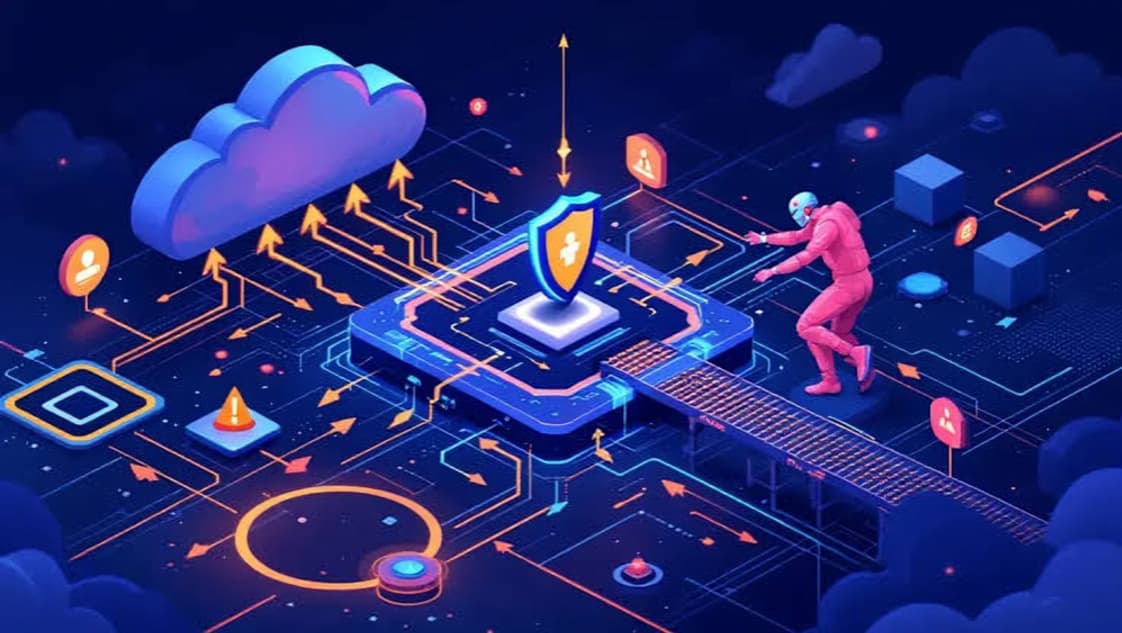
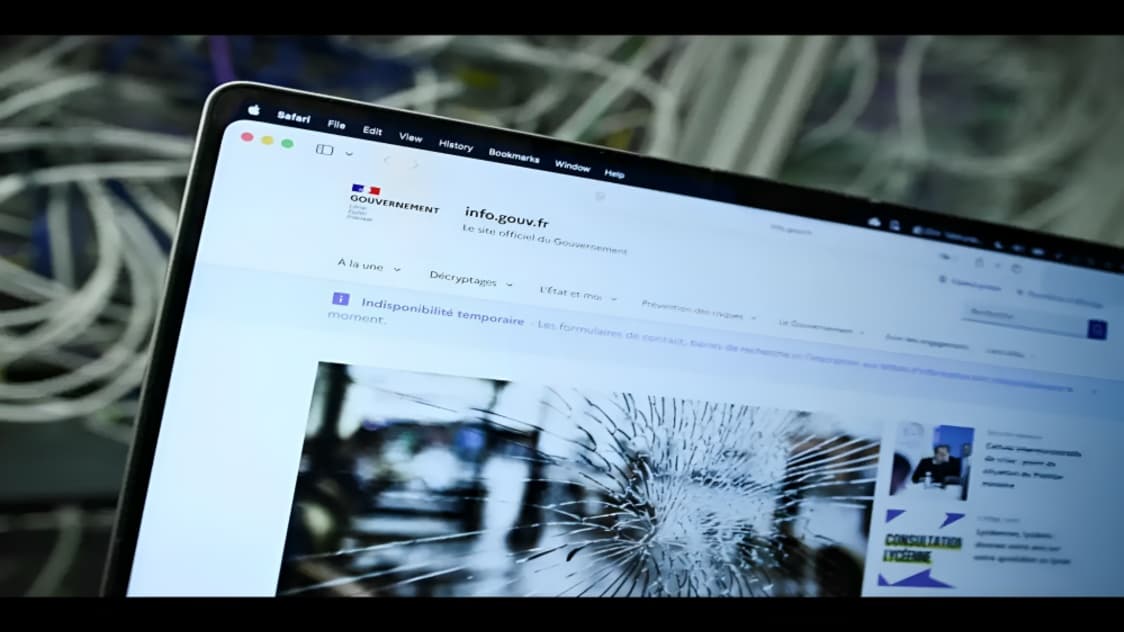
In the modern era, technology is no longer neutral; it is a strategic instrument embedded in global politics. Rising geopolitical tensions are increasingly mirrored—or sometimes anticipated—by cyber operations, revealing how nations leverage digital capabilities to project power. The post‑World War II world, defined by relative stability under Pax Americana, provided a predictable foundation for economic growth, security, and international cooperation. However, this foundation is now shifting, challenging long-standing assumptions about safety and trust in technological systems.
Europe, for instance, has historically relied heavily on U.S. technological and cybersecurity infrastructure, including intelligence sharing, frameworks, and funding. Today, these dependencies are being reassessed as tectonic geopolitical changes test the limits of that trust. Organizations are increasingly compelled to redesign their digital architectures, not just for efficiency but for strategic resilience against state and non-state actors.
All technology is political, whether it is a target, a weapon, or a lever in conflicts. Increased reliance on digital platforms exposes nations and organizations to technical power projection. This includes cyber operations, misinformation campaigns, psychological operations, and industrial espionage. The contemporary threat landscape is far more complex than random criminal activity—it is shaped by systemic political, economic, social, and technological forces.
State Actors and Critical Infrastructure
Several recent campaigns illustrate the escalation of cyber operations into the realm of statecraft:
- Night Dragon (mid-2000s onward): Linked to China, this campaign targeted global energy and defense companies, marking a shift from opportunistic hacking to sustained, state-sponsored industrial espionage.
- Volt Typhoon Botnet Disruption (January 2024): The U.S. government announced a court-authorized operation to dismantle a botnet of compromised routers used by China-linked actors to pre-position within U.S. critical infrastructure. This marked a significant escalation in acknowledging state cyber power as a strategic threat.
- Salt Typhoon Telecom Breaches (October 2024): Major telecom networks worldwide were compromised, exposing communications of government officials and civilians. The incident highlighted how state actors can access sensitive global communication channels.
- U.S. Advisory on Critical Infrastructure Targeting (February 2024): Joint advisories from the U.S. and allied agencies confirmed Volt Typhoon’s penetration across energy, transport, communications, and water sectors, emphasizing that critical infrastructure is now a primary battleground.
These cases underscore a broader reality: modern cyber threats cannot be seen in isolation. They reflect the intersection of politics, technology, and economics, where state-sponsored actors can exert influence, extract information, and destabilize strategic assets globally. Organizations and governments must therefore adopt a holistic approach to cybersecurity, factoring in both technical defenses and geopolitical awareness.
In conclusion, we are entering a new era where technology is inseparable from politics. Cyber operations are no longer just technical challenges; they are integral to national security, economic stability, and global strategy. Understanding this landscape requires analyzing not only the actors involved but also the systemic forces that shape the risks and operations affecting every sector of society.