Meta and Roblox have agreed to strengthen child safety measures for users in the Philippines following discussions with government officials, as authorities step up efforts to protect children from risks associated with online platforms. The commitments come amid growing international scrutiny of technology companies and their responsibility to safeguard young users.
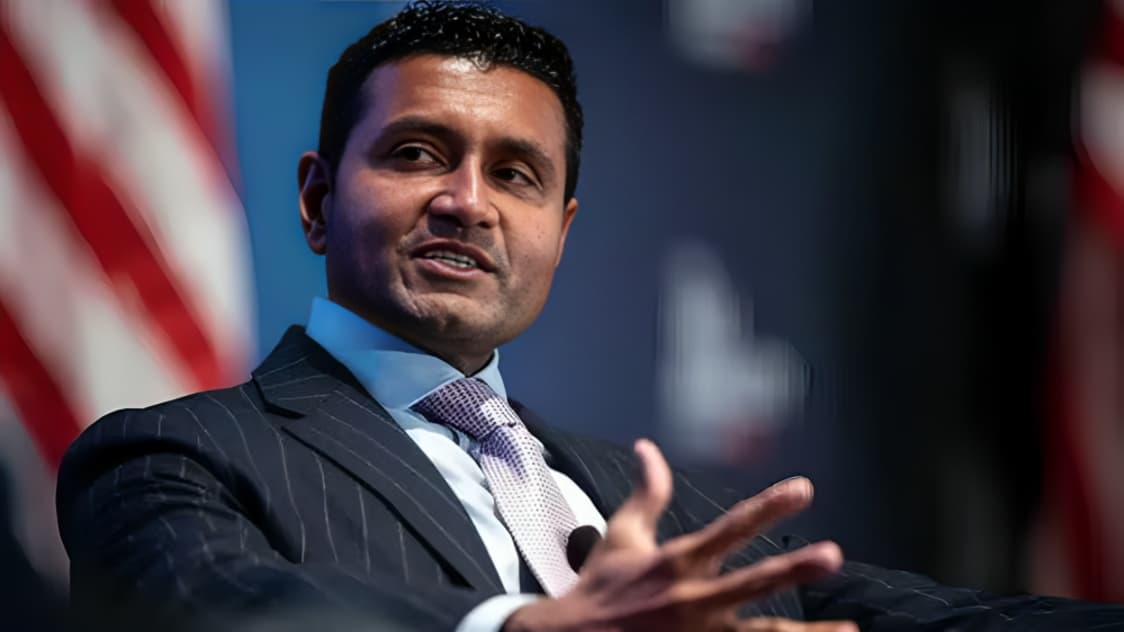
Philippine Information and Communications Technology Secretary Henry Aguda said the companies agreed to implement additional protections following meetings with Philippine officials and company representatives in Singapore. The proposed measures include age verification systems, stronger parental controls, quicker removal of harmful material and increased cooperation with law enforcement agencies.
Age verification is expected to become an important part of the new approach. Authorities want platforms to improve their ability to determine whether users are children, teenagers or adults. Accurate age checks can help companies apply safety settings appropriate to different age groups and reduce the possibility of minors accessing unsuitable content or interacting with potentially dangerous users.
Parental controls are another major component of the proposed measures. Such tools can allow parents and guardians to manage children's online activity, control access to certain content and monitor how young users interact with digital services. The Philippine government has increasingly emphasised the role of technology companies, parents and authorities in creating a safer online environment.
The agreement involving Roblox comes after the platform faced concerns in the Philippines over alleged risks involving children. Earlier in 2026, Philippine authorities had warned that Roblox could face stronger government action, including the possibility of a ban, amid concerns involving child safety. The company subsequently presented plans involving stricter monitoring, reporting mechanisms and age-appropriate content controls.
Roblox has already been developing age-based safety systems in several markets. The company has introduced age checks, age-specific accounts, content ratings and parental controls as part of its broader safety strategy. Its safety framework includes different experiences for younger children and teenagers, with restrictions on communication and access to certain types of content.
The latest agreement with Philippine authorities also places greater emphasis on the speed with which harmful content is removed. Faster takedowns can be particularly important when content involves child exploitation, abuse or other serious online threats. Authorities are also seeking closer cooperation with law enforcement so that information relevant to investigations can be handled more effectively through established legal processes.
Meta, meanwhile, has faced increasing scrutiny around child and teen safety on its social media platforms. The company recently reached a major settlement with US states involving allegations concerning the impact of Facebook and Instagram on young users. The agreement includes measures such as age verification, usage restrictions and stronger parental controls. Meta has denied wrongdoing, while the settlement has intensified discussions about how online platforms should protect minors.
The developments in the Philippines form part of a wider global debate over children's safety on social media, gaming platforms and other online services. Governments in several countries are examining age restrictions, verification technologies, parental controls and platform accountability as children increasingly spend time online.
For the Philippines, the issue has become particularly important because social media and online gaming platforms are widely used by younger people. Authorities are seeking to ensure that digital services operating in the country have effective systems for preventing abuse, responding to complaints and cooperating with investigations.
The government has also indicated that online safety cannot be addressed by technology companies alone. Families and users have an important role in understanding privacy settings, reporting harmful behaviour and using parental controls. At the same time, regulators are expected to establish clear standards that companies must follow.
Roblox has previously said that digital safety is a shared responsibility involving platforms, governments and families. Its existing safety measures include age checks, content ratings, chat restrictions and parental controls. The company has also stated that it continuously reviews its systems as new risks and regulations emerge.
Meta has separately committed in the Philippines to a more proactive approach to removing harmful AI-generated deepfakes and responding to lawful requests from authorities investigating cybercrime and other online threats, according to the Philippine News Agency.
The latest commitments are therefore part of a broader effort to strengthen online child protection rather than a simple change to individual platform settings. Their effectiveness will depend on how consistently the new measures are implemented, how accurately age verification works and how quickly platforms respond to reports of harmful activity.
For parents and young users in the Philippines, the developments could eventually mean stronger safeguards when using social media and gaming services. However, authorities and technology companies will need to continue monitoring the effectiveness of these measures and address new forms of online abuse as they emerge.
The agreement between Meta, Roblox and Philippine authorities highlights the growing expectation that major technology platforms should take greater responsibility for protecting children online. As governments around the world introduce stricter digital safety requirements, companies are likely to face increasing pressure to demonstrate that their platforms provide effective protections for younger users.