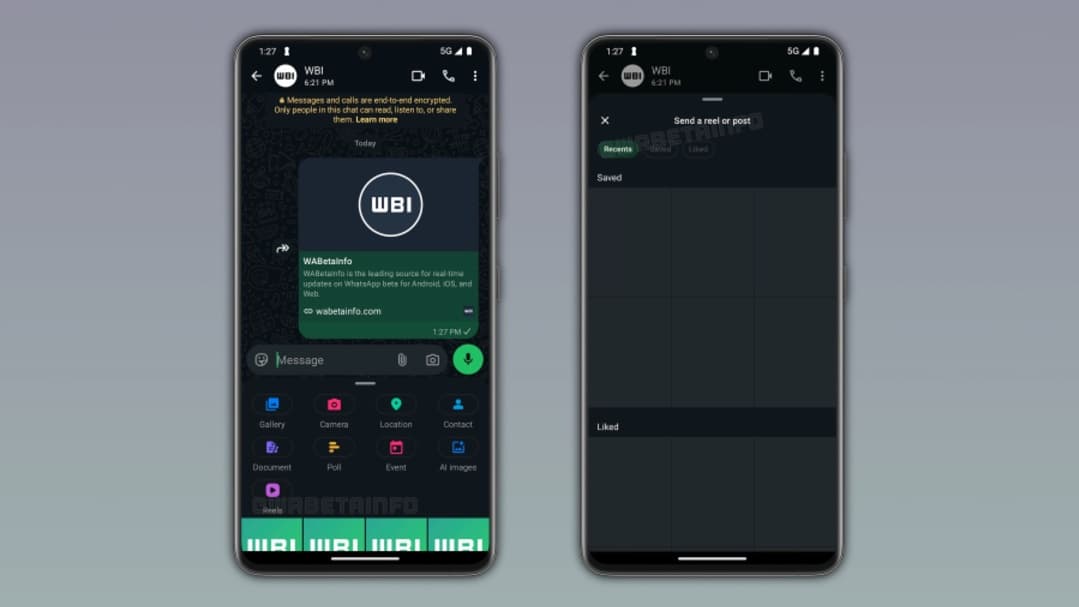
WhatsApp, one of the world’s most popular messaging platforms, is exploring new features that could enable users to earn money directly through content sharing. Reports suggest that the company is testing methods to reward users for actively distributing content, such as messages, links, or sponsored posts. This move could mark a significant step toward transforming WhatsApp from a messaging service into a platform with monetization opportunities for its users.
The proposed features are part of WhatsApp’s strategy to increase user engagement and provide additional incentives for content creators. Users who share verified news, promotional material, or branded content may receive financial rewards or credits directly within the app. While the exact mechanism is not finalized, early leaks indicate that payments could be integrated with WhatsApp Pay or other digital wallets, ensuring a seamless experience for users.
Industry analysts note that this approach could provide creators with an alternative to traditional social media platforms, which primarily rely on ads and views for revenue generation. By offering a direct earning model, WhatsApp could encourage more active participation from users and increase content circulation within its ecosystem. This is particularly significant in regions with high WhatsApp penetration, such as India, Brazil, and Indonesia.
In addition to benefiting content creators, the new system could also assist small businesses and influencers in expanding their reach. By incentivizing users to share branded messages or promotional content, companies could achieve organic visibility without relying solely on paid campaigns. Experts suggest that the approach might democratize content promotion, allowing users at all levels to earn rewards based on their activity.
WhatsApp’s monetization plans follow a broader trend in the digital messaging space, where platforms like TikTok, Instagram, and YouTube have already introduced creator-friendly tools. These include revenue sharing from advertisements, gifts, and exclusive content subscriptions. By introducing similar opportunities in a messaging app, WhatsApp could differentiate itself from competitors and increase its appeal to creators and marketers.
Privacy and security remain critical concerns for WhatsApp, especially as it rolls out monetization features. The company has emphasized end-to-end encryption in messages, and any reward system must ensure that user data and personal communications remain protected. Developers are reportedly exploring ways to integrate earnings features without compromising user privacy.
While the feature is still in testing, its potential impact on the platform and the digital economy could be substantial. Users could turn casual content sharing into a source of income, creators could reach new audiences, and businesses could leverage WhatsApp’s extensive user base for promotions.
In conclusion, WhatsApp’s plans to allow users to earn money by sharing content highlight a growing trend of monetization in messaging platforms. If implemented, it could reshape how users interact with content, reward engagement, and expand opportunities for digital entrepreneurship globally.