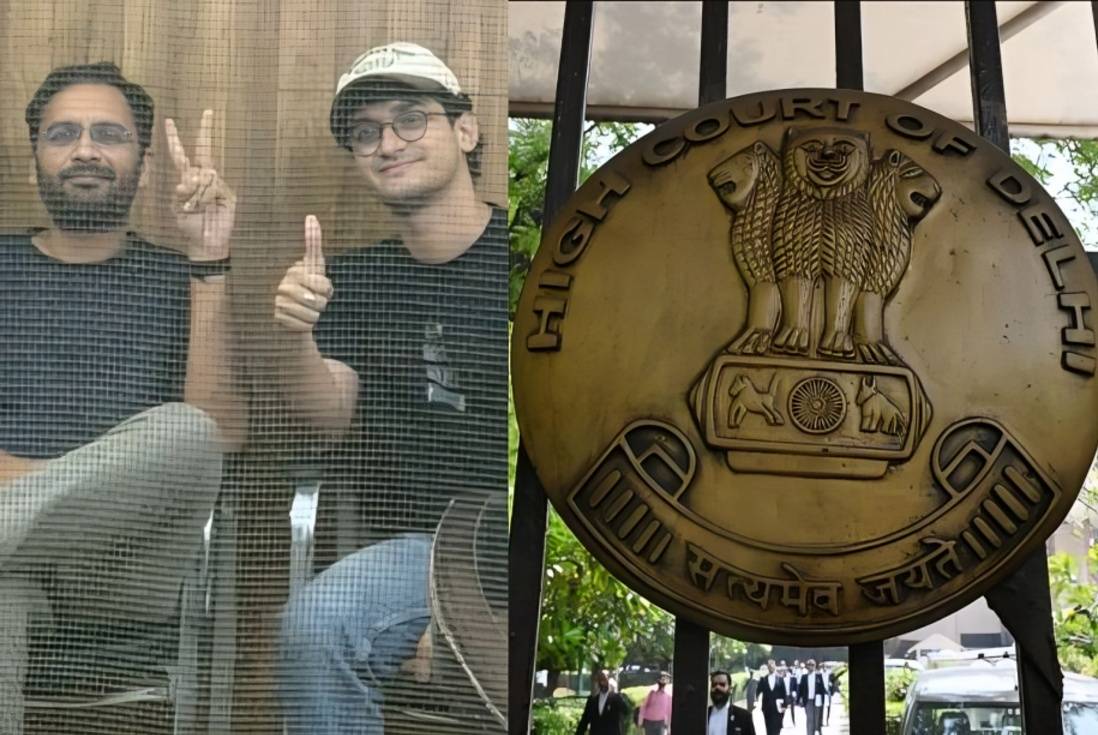
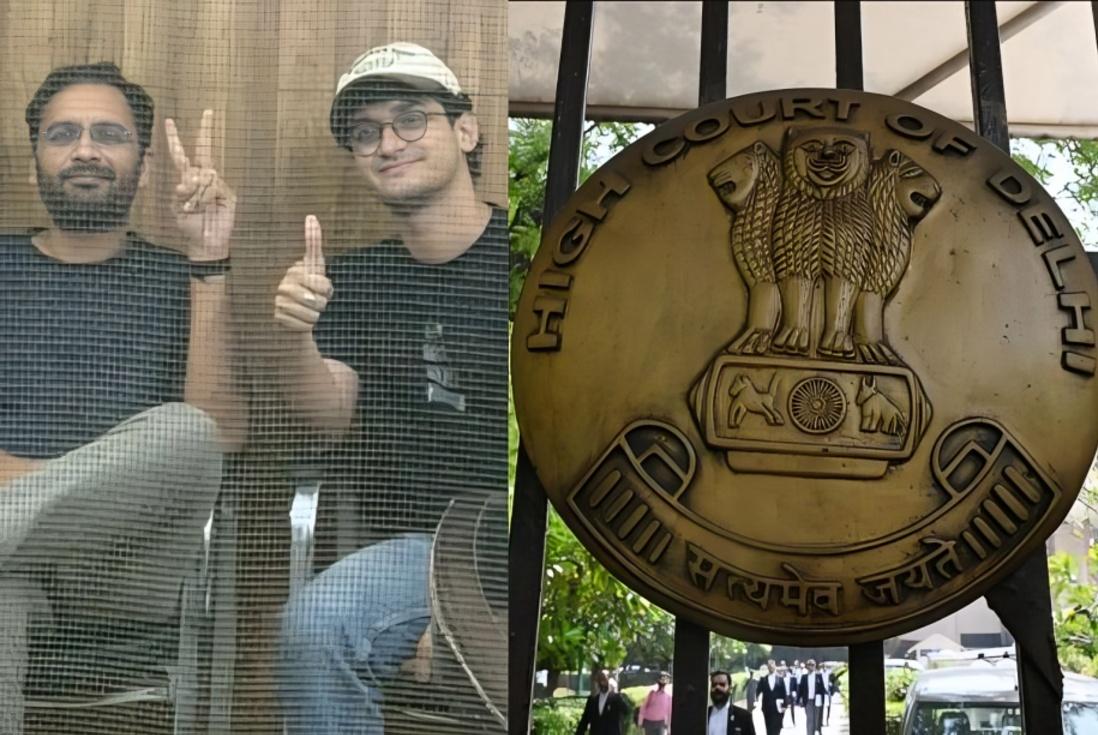
The Delhi High Court on Thursday sought a response from the Central Government on a petition filed by CJP functionary Saurav Das after immigration authorities prevented him from travelling to London from Delhi’s Indira Gandhi International Airport earlier this week.
During the proceedings, the Centre informed the court that Mumbai Police had issued a lookout circular against Das, following which he was stopped at the airport on Monday night.
The High Court also issued notices to the Regional Passport Officer and the Ministry of External Affairs, directing them to submit their responses by the next hearing. The matter has been scheduled for further consideration on December 9.
Saurav Das Challenges Travel Restrictions
Saurav Das approached the Delhi High Court on Wednesday after immigration authorities allegedly prevented him from boarding his London bound flight.
According to the petition, the authorities raised concerns regarding discrepancies in his passport details, particularly information relating to his place of birth.
Das subsequently sought judicial intervention regarding the circumstances under which he was prevented from travelling abroad.
The petition has brought attention to questions surrounding immigration procedures, passport verification and the communication of travel restrictions to affected individuals.
The complete details of the relief sought by Das were not included in the available information.
Centre Informs Court About Lookout Circular
During the hearing, the Central Government informed the Delhi High Court that Mumbai Police had issued a lookout circular against Saurav Das.
The Centre stated that the circular was the reason immigration authorities stopped him at Indira Gandhi International Airport on Monday night.
However, the specific grounds on which Mumbai Police issued the lookout circular were not disclosed in the available information.
Further details regarding the circumstances leading to the issuance of the circular may emerge during subsequent court proceedings.
The responses sought by the High Court could help clarify the legal and administrative basis for preventing Das from travelling abroad.
Lawyer Raises Concerns Over Lack of Information
The lawyer representing Saurav Das informed the court that his client had not been made aware of the lookout circular issued against him.
The lawyer also stated that Das had not been informed about the purpose of the circular or the reasons behind its issuance.
These submissions raise questions regarding the information communicated to Das before and during the immigration process at Delhi airport.
The legal proceedings may provide greater clarity regarding whether the authorities followed the applicable procedures while implementing the travel restriction.
However, the court has not reached a final conclusion regarding the allegations raised in the petition.
High Court Issues Notices to Passport Authorities
Apart from seeking a response from the Central Government, the Delhi High Court issued notices to the Regional Passport Officer and the Ministry of External Affairs.
The authorities have been asked to submit their responses by the next scheduled hearing.
Their submissions are expected to provide information regarding the passport discrepancies alleged by Das and the circumstances surrounding his inability to board the international flight.
Passport authorities are responsible for issuing and administering passports in accordance with applicable laws and regulations.
Any questions concerning personal information recorded in a passport may require examination of relevant documents and official records.
The available information does not establish whether the alleged passport discrepancies were independently sufficient to prevent Das from travelling.
Understanding Lookout Circulars in India
A lookout circular is an administrative mechanism used by authorised agencies to alert immigration authorities about individuals whose international movement may require monitoring or restriction.
Depending on the instructions contained in the circular, immigration officials may inform the requesting agency, monitor an individual’s arrival or departure, or prevent the individual from leaving the country.
The issuance and implementation of lookout circulars are governed by applicable government guidelines and legal requirements.
Individuals affected by such restrictions may approach the appropriate authorities or courts to challenge the measures taken against them.
However, the existence of a lookout circular does not independently establish that an individual has committed a criminal offence.
The legality of any particular circular depends on its grounds, the applicable legal framework and the circumstances of the case.
Passport Verification and International Travel
International passengers are generally required to possess valid travel documents and comply with immigration requirements before leaving the country.
Passport verification may involve examining personal information, document validity and other relevant travel records.
Discrepancies in passport information can lead to additional verification by the concerned authorities. The appropriate administrative response depends on the nature of the discrepancy and applicable regulations.
In the present case, Das alleged that immigration authorities initially raised concerns regarding his passport details, particularly his place of birth.
The Centre subsequently informed the court about the lookout circular issued by Mumbai Police.
Whether these two issues are connected has not been established in the available information.
Legal Rights and Travel Restrictions
The right to travel abroad has been recognised by Indian courts as an aspect of personal liberty protected under Article 21 of the Constitution.
However, international travel may be restricted in accordance with applicable laws and legally authorised procedures.
Courts may examine whether restrictions imposed by government agencies comply with statutory requirements and constitutional protections.
Judicial scrutiny can help determine whether administrative decisions are supported by appropriate legal grounds and whether the rights of affected individuals have been adequately considered.
The Delhi High Court’s decision to seek responses from the concerned authorities is a procedural step towards examining the issues raised by Das.
It does not constitute a final ruling on the validity of the lookout circular or the travel restriction.
Next Hearing Scheduled for December 9
The Delhi High Court has listed the petition filed by Saurav Das for further hearing on December 9.
The Central Government, Regional Passport Officer and Ministry of External Affairs have been asked to respond to the issues raised in the petition.
Their submissions may provide further clarity regarding the lookout circular, alleged passport discrepancies and the circumstances under which Das was prevented from travelling to London.
The available information does not indicate that the court has granted permission for Das to travel abroad or directed the withdrawal of the lookout circular.
Further developments will depend on the responses submitted by the concerned authorities and subsequent directions issued by the High Court.