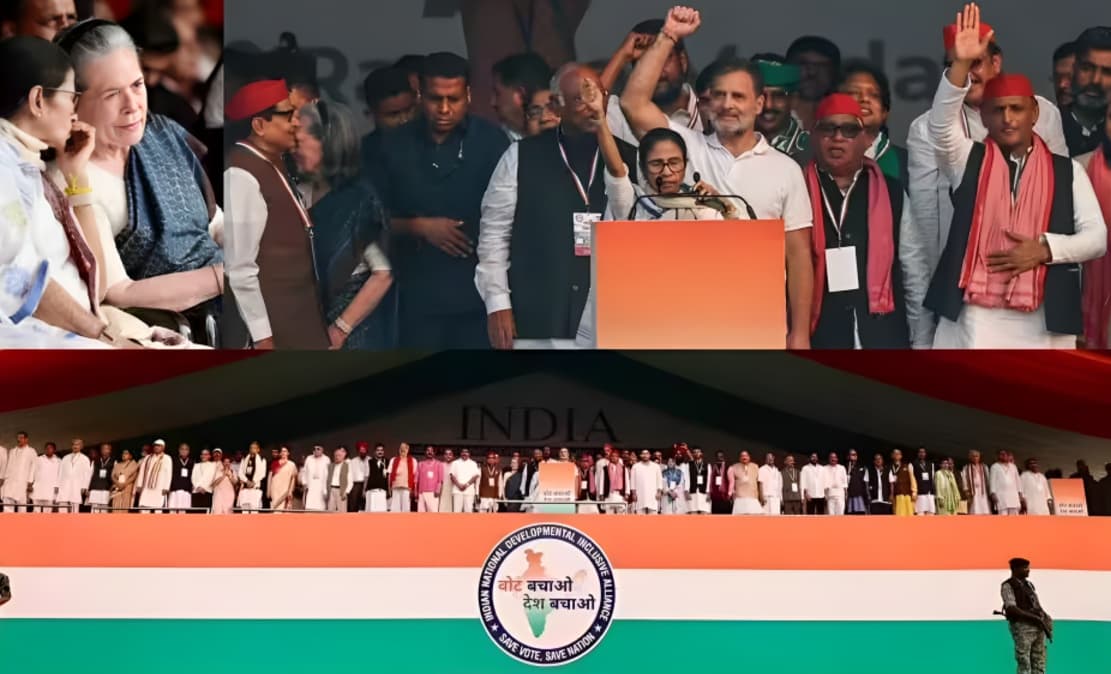
Delhi Traders Claim Rs 10,000 Crore Business Loss Due to INDIA Bloc Rally Disruptions
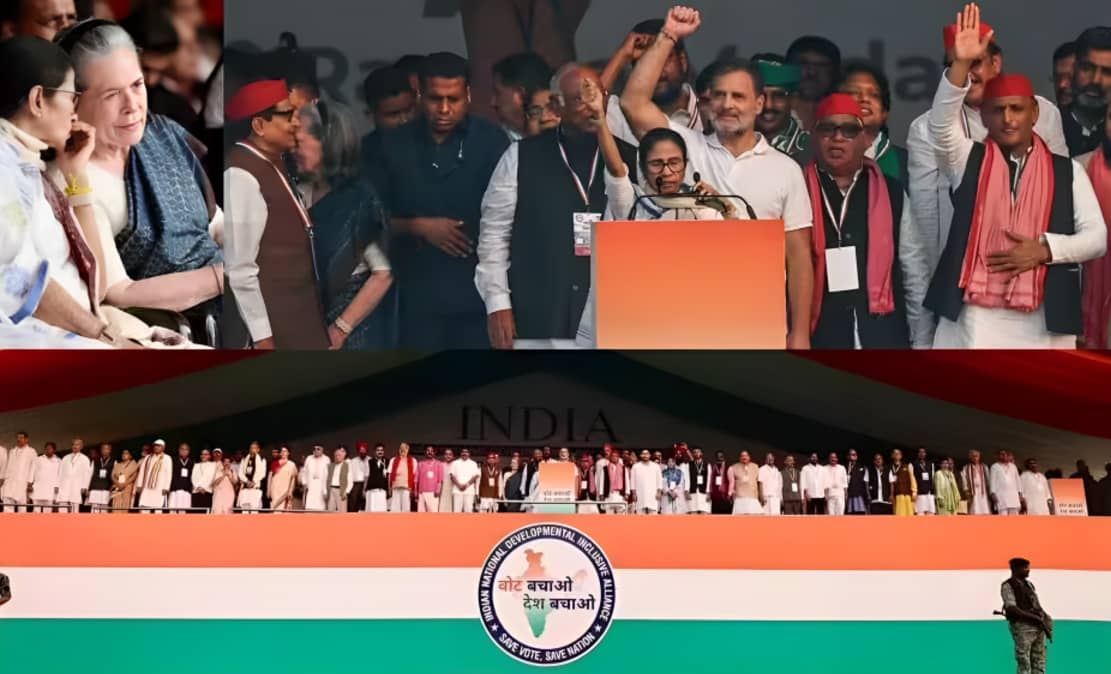
Traders in Delhi have claimed that business activity across several major markets was severely affected on Sunday due to disruptions linked to the INDIA bloc rally held at Ramlila Maidan. According to the Chamber of Trade and Industry, approximately 2.5 lakh shops across 20 to 25 major markets remained closed during the peak Diwali shopping season.
CTI chairman Brijesh Goyal estimated that traders suffered losses ranging from Rs 10,000 crore to Rs 11,000 crore because of the disruption. He said traffic restrictions, congestion and concerns over the large crowds expected at the rally affected the movement of customers, suppliers and business operators.
The traders' association claimed that the impact was particularly severe in markets surrounding the rally venue, including areas in Old Delhi and Central Delhi. The development has raised concerns among local business owners about the impact of major public events on commercial activities during important shopping periods.
Around 2.5 Lakh Shops Reportedly Remained Closed
According to Brijesh Goyal, around three lakh shops operate across the 20 to 25 major markets affected by the rally. Based on information collected from traders in different markets, approximately 80 per cent of these establishments, or around 2.5 lakh shops, remained closed on Sunday.
Goyal said the figures were compiled through information shared in traders' WhatsApp groups. He added that several market areas experienced reduced commercial activity because business owners were concerned about traffic congestion, restrictions and the expected movement of large crowds.
The affected markets depend on regular customer visits, wholesale purchases and the movement of goods from different parts of Delhi and neighbouring towns. Traders said the rally-related arrangements made it difficult for customers and business operators to reach several commercial areas.
The closures reportedly affected both wholesale and retail businesses. Even shops that remained open experienced a significant decline in customer visits, according to the traders' representatives.
Movement of Customers and Goods Affected
Goyal said the disruption extended beyond shop closures. He claimed that approximately three lakh to four lakh people who regularly travel to Delhi for business did not arrive in the city on Sunday.
These visitors include customers, dealers, suppliers and traders from towns surrounding the national capital. Their absence reportedly affected sales and business transactions in several markets.
The traders also claimed that around 5,000 vehicles, including tempos and trucks, were unable to transport goods to markets in Old Delhi and Central Delhi. Restrictions and congestion reportedly affected the movement of commercial vehicles, making it difficult to carry out regular loading and unloading operations.
The movement of goods is particularly important during the Diwali shopping period, when retailers and wholesalers handle increased demand for products. Traders said delays in transporting merchandise affected supply operations and prevented businesses from functioning normally.
The disruption reportedly affected several stages of the commercial supply chain, from the arrival of goods at wholesale markets to their distribution among retailers.
Traders Highlight Impact During Peak Diwali Season
The timing of the rally was another major concern raised by traders. Diwali is one of the busiest shopping periods for businesses across Delhi, with markets generally experiencing increased customer visits and higher sales.
According to Goyal, the affected markets collectively generate business worth approximately Rs 10,000 crore to Rs 12,000 crore during the peak Diwali period. He said that even in markets where shops remained open, sales were extremely low because of the reduced movement of customers.
Traders depend on the festive season to increase sales and manage business expenses. A disruption during this period can affect retailers, wholesalers, transport operators, delivery workers and other people associated with commercial activities.
The traders' representatives argued that the rally-related restrictions and congestion affected business at a time when markets expected strong customer demand. They also raised concerns about the financial impact on small and medium-sized businesses.
CTI Questions Who Will Compensate Traders
Questioning the financial impact, Goyal asked who would compensate traders for the losses they claimed to have suffered due to the disruption.
The CTI chairman estimated the losses at approximately Rs 10,000 crore to Rs 11,000 crore. However, the figure represents the traders' estimate and has not been independently verified in the information provided.
The association's claims were based on feedback received from traders across the affected markets. A detailed independent assessment would be required to establish the actual financial impact, including the number of shops affected, the decline in sales and the value of goods that could not be transported.
The concerns raised by traders have also highlighted the need for coordination between event organisers, traffic authorities and local business associations when large public gatherings are planned near major commercial areas.
Business Disruption Becomes a Point of Concern
The INDIA bloc rally at Ramlila Maidan has become a subject of discussion among Delhi's trading community because of its reported impact on nearby markets. Traders have argued that traffic arrangements and restrictions should take the requirements of commercial establishments into account, particularly during important festive periods.
Large public events can require changes to traffic movement and access routes. However, business owners say that advance coordination and clear information about restrictions can help reduce the impact on customers, suppliers and transport operators.
For now, the figures regarding shop closures and financial losses remain estimates provided by the traders' representatives. The claims have drawn attention to the difficulties faced by businesses during the Diwali shopping season and the importance of maintaining access to commercial areas during major public events.
The issue has renewed discussion about balancing public gatherings, traffic management and the economic activities of local markets in the national capital.