The Directorate General of Civil Aviation is considering changes to India's existing psychoactive substance testing framework for airline pilots following a series of recent developments that have renewed attention on cockpit safety.
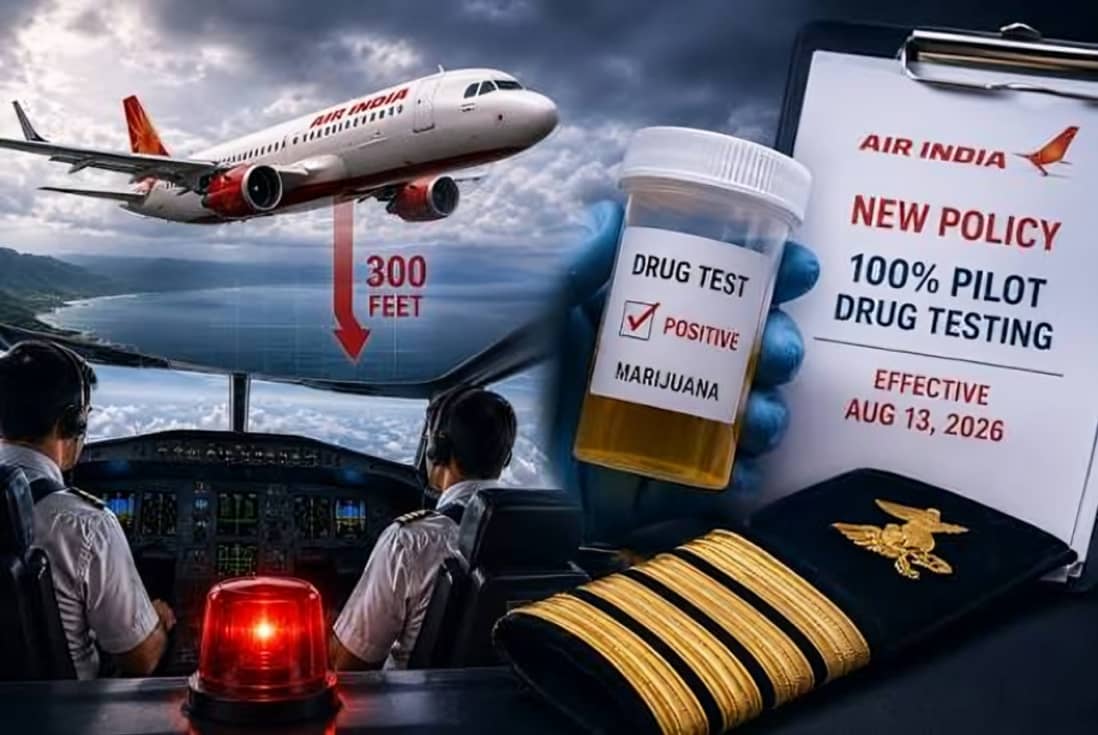
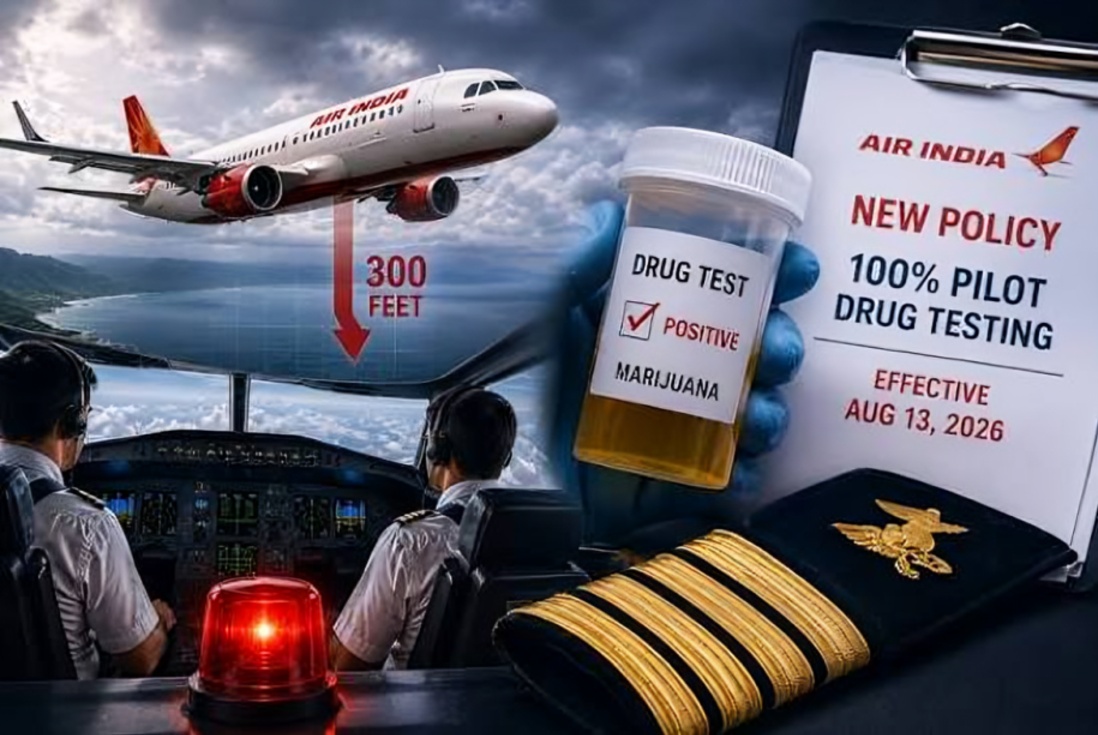
The proposed review comes after Air India introduced mandatory additional screening for all its pilots. The airline's decision followed a serious incident involving an Air India flight operating from Phuket to New Delhi and a subsequent confirmed positive test for marijuana involving the flight's captain.
Air India and Air India Express have around 5,000 pilots combined. The airline group announced a one time screening programme covering its entire pilot workforce, going beyond the minimum requirements currently prescribed by the aviation regulator. The testing is being conducted at training facilities, flight briefing centres, airline offices and other designated locations.
The DGCA is now examining whether similar additional screening requirements should be introduced across the wider Indian aviation sector. The objective would be to strengthen safeguards against the use of prohibited psychoactive substances by flight crew and ensure that pilots are fit to operate aircraft safely.
Under the existing DGCA framework, random testing for psychoactive substances is already required for aviation personnel. Current regulations provide for random testing of a specified percentage of flight crew and other relevant aviation personnel each year. Recent reports indicate that the existing requirement includes random testing of at least 10 percent of flight crew annually.
The regulator's review could examine whether the percentage of personnel tested should be increased and whether additional testing should be carried out at specific stages of a pilot's employment or flying schedule.
The issue gained prominence after an Air India Airbus A320neo operating from Phuket to Delhi on August 4 experienced a sudden loss of altitude during the flight. The incident resulted in injuries to passengers and crew members and was classified as a serious aviation incident.
Following the incident, both pilots underwent mandatory psychoactive substance screening. The captain's initial test indicated the presence of a substance requiring further examination. A subsequent confirmatory test reportedly returned positive for marijuana. The pilot was removed from flying duties while the matter was investigated.
The Aircraft Accident Investigation Bureau is separately investigating the Phuket Delhi incident. The investigation is examining the circumstances surrounding the altitude loss and other operational aspects of the flight. Therefore, the drug test result should not by itself be treated as proof that substance use caused the aviation incident.
Air India's decision to screen its entire pilot workforce was described by the airline as an additional measure that goes beyond the regulatory requirements. The airline said it already complies with DGCA rules but wanted to strengthen its internal safety procedures and reassure passengers and other stakeholders.
The latest development has placed greater focus on the adequacy of India's existing drug testing system for aviation personnel.
Psychoactive substances can potentially affect concentration, judgement, reaction time and other functions that are important for safe flight operations. For this reason, aviation regulators around the world maintain rules governing alcohol and drug use among pilots and other safety sensitive personnel.
The DGCA's existing rules prohibit aviation personnel from operating aircraft while under the influence of psychoactive substances that could impair their ability to safely perform their duties. The regulations also contain requirements relating to breath analysis and testing procedures.
Any changes to the testing system will need to take into account the difference between prohibited recreational substance use and legitimate medication. Some medicines may contain ingredients that can produce screening results even when they are being taken for valid medical reasons.
This is one reason confirmatory testing is important after an initial non negative screening result. A preliminary result does not necessarily establish that a person has violated aviation regulations. Confirmatory laboratory testing is required to determine whether a substance is actually present and whether further regulatory action is necessary.
Recent reports have highlighted this distinction after two additional Air India pilots returned non negative results in preliminary screening. Their samples were reportedly sent for confirmatory testing, and the pilots were taken off flight duties while the final results were awaited.
The development demonstrates why the regulator may need to consider not only how frequently pilots are tested but also how testing is conducted and how positive or non negative results are handled.
A stronger testing framework could potentially include broader random testing, additional post incident examinations and more consistent procedures across airlines. It could also establish clearer requirements for confirmatory testing and medical review.
The DGCA's review comes at a time when the Indian aviation industry is facing increased public scrutiny over operational safety. Airlines are expected to maintain strict standards for pilot fitness, aircraft maintenance, crew training and operational procedures.
For passengers, the central concern is that pilots operating commercial aircraft should be physically and mentally fit to perform their duties. Drug and psychoactive substance testing is one component of the broader safety system designed to achieve that objective.
The proposed regulatory changes would apply beyond Air India if the DGCA ultimately decides to strengthen the existing framework. Other Indian airlines could therefore be required to increase testing coverage or introduce additional screening procedures.
However, the exact form and timing of any changes have not yet been finalised. The regulator is examining the issue, and any formal amendment would have to be announced through the appropriate regulatory process.
The current situation also highlights the importance of distinguishing between an initial screening result and a confirmed violation. A non negative result from a preliminary test does not automatically establish substance use or misconduct. Confirmatory testing and the applicable regulatory procedures remain important before final conclusions are reached.
The aviation regulator's review is therefore expected to consider both passenger safety and procedural fairness for aviation personnel.
Air India's expanded testing programme could serve as an additional safety measure while the DGCA evaluates whether industry wide requirements should be strengthened. The airline has said the initiative is intended to protect passenger confidence and reinforce professional standards among its cockpit crew.
The development could also lead to greater coordination between airlines, medical testing laboratories and aviation authorities. Reliable testing procedures and timely reporting are essential when safety sensitive personnel are involved.
For now, the existing DGCA rules remain applicable to airlines across India. Air India's one time testing programme represents an additional internal measure rather than a replacement for the regulator's existing requirements.
The DGCA's proposed review could eventually result in broader testing requirements for pilots and other aviation personnel. Such a move would represent a significant strengthening of India's aviation safety framework.
The immediate focus remains on completing Air India's expanded screening programme and obtaining confirmatory results where preliminary tests have returned non negative findings. At the same time, authorities are continuing to examine the Phuket Delhi flight incident separately.
Overall, the latest developments indicate that pilot fitness and psychoactive substance testing are receiving increased regulatory attention in India. The DGCA is considering whether existing testing requirements are sufficient, while Air India has already moved towards comprehensive screening of its pilot workforce. Any final regulatory changes will depend on the regulator's review and subsequent official decisions.