PM Modi Reiterates Commitment to Farmers During Gujarat Visit
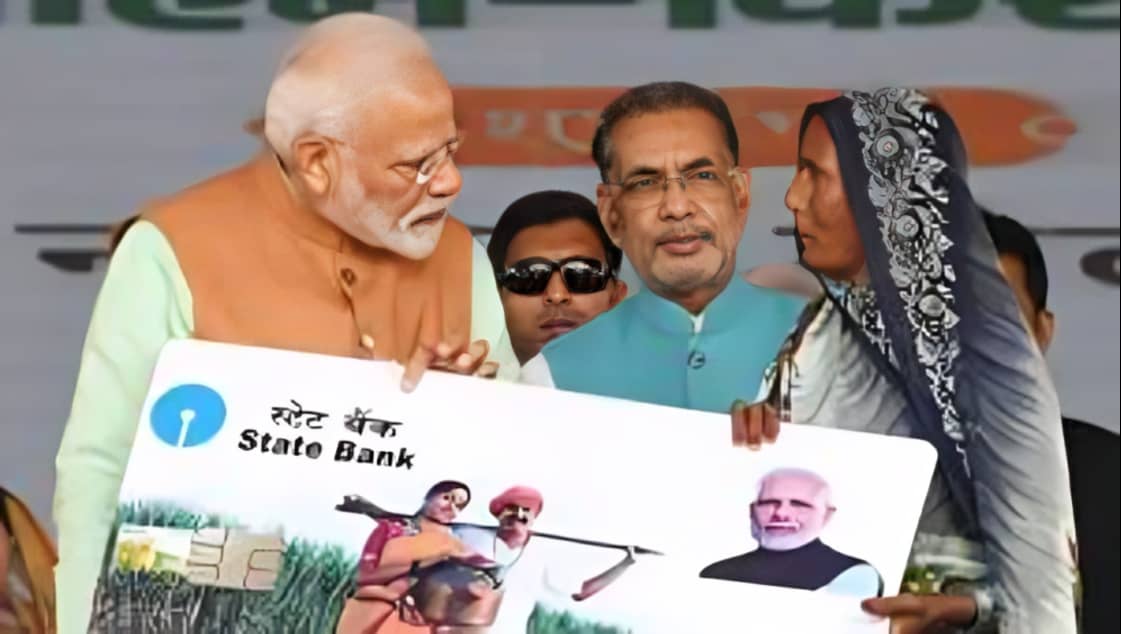
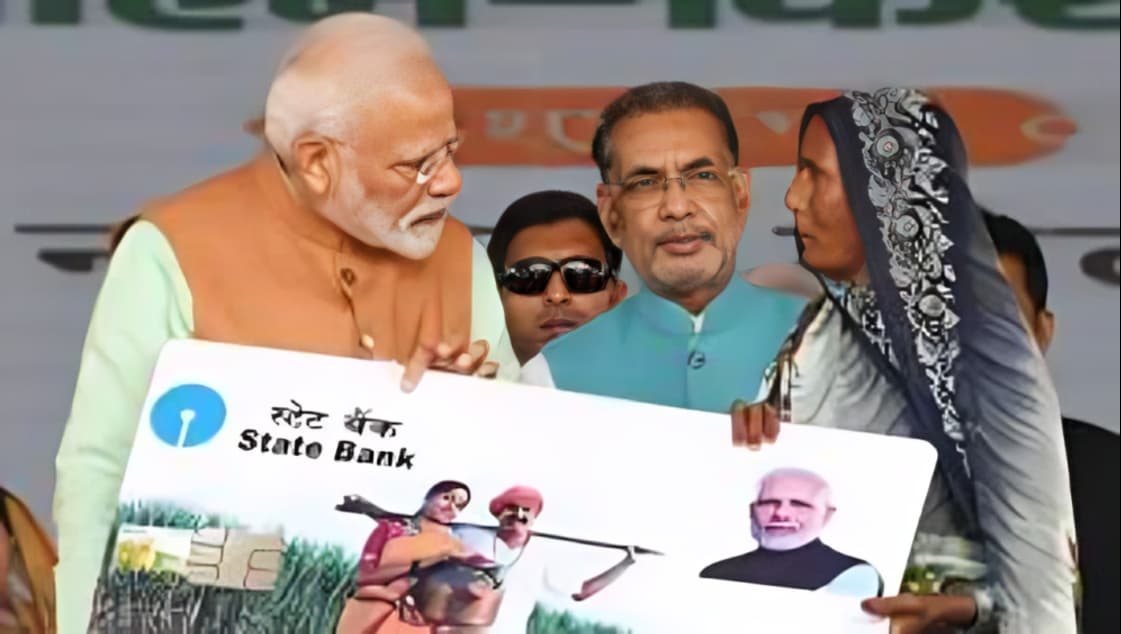
Prime Minister Narendra Modi has reiterated that farmers remain a priority for his government during his visit to Gujarat. Addressing the development programme in Banaskantha, he highlighted the government's welfare initiatives and stated that Rs 4.5 lakh crore had been transferred to beneficiaries through various schemes.
The Prime Minister also laid the foundation stone for development projects worth Rs 14,000 crore in Banaskantha. The announcements brought attention to two major areas of the government's development agenda: financial assistance through welfare programmes and investment in infrastructure.
Modi's remarks focused on the importance of supporting farmers and improving facilities in rural and agricultural regions. Agriculture continues to play a significant role in India's economy, providing livelihoods to a large section of the population. Financial support, access to essential services and infrastructure development are among the key issues that influence the lives of farming communities.
Government Highlights Financial Support Through Welfare Schemes
During his Gujarat visit, Modi referred to the transfer of Rs 4.5 lakh crore through various government welfare schemes. The figure was presented as an indication of the government's efforts to provide financial assistance to beneficiaries.
Welfare schemes are designed to support different sections of society through direct financial transfers and other forms of assistance. For farmers and rural households, such programmes can help meet essential expenses and provide additional financial support.
The Prime Minister's statement highlighted the government's emphasis on using welfare initiatives to reach beneficiaries. However, the total amount mentioned covers various schemes, and the specific programmes, beneficiaries and period associated with the Rs 4.5 lakh crore figure were not detailed in the information provided.
For a complete assessment of the announcement, the individual schemes and their objectives need to be considered separately. Different welfare programmes serve different groups and may provide assistance for agriculture, household needs, social security or other purposes.
Farmers Remain a Key Focus of Government Policy
Modi's statement that farmers remain a priority reflects the importance of agriculture in the government's policy agenda. Farmers face several challenges, including changing weather conditions, rising input costs, access to markets and the need for reliable irrigation and infrastructure.
Government support can take different forms, including financial assistance, crop-related programmes, irrigation projects and measures intended to improve rural connectivity. Such initiatives aim to strengthen agricultural activities and improve the economic conditions of farming households.
Financial transfers can provide immediate assistance, but long-term agricultural development also depends on factors such as water availability, storage facilities, transport networks and access to markets. Investments in these areas can help farmers manage production and reach buyers more effectively.
The Prime Minister's remarks placed farmer welfare within the broader discussion of development and public investment. The effectiveness of these initiatives will depend on their implementation and the extent to which intended beneficiaries are able to access the available support.
Rs 14,000 Crore Development Projects in Banaskantha
Another major part of the Prime Minister's Gujarat visit was the foundation stone laying ceremony for development projects worth Rs 14,000 crore in Banaskantha district.
The projects represent a significant investment in regional development. Infrastructure investment can support economic activity by improving essential facilities, strengthening connectivity and creating conditions for future growth.
Banaskantha is an important district in northern Gujarat, and development initiatives in the region can have implications for local communities, businesses and agricultural activities. Better infrastructure can help improve access to services and support the movement of goods and people.
However, the specific projects included in the Rs 14,000 crore investment were not identified in the information provided. Details such as the individual project costs, construction timelines, implementing agencies and expected completion dates would be necessary to understand the full scope of the announcement.
The foundation stone ceremony marks the beginning of the announced development work, but it does not mean that all projects have already been completed or that their benefits are immediately available. Their impact will depend on timely execution and effective implementation.
Gujarat Visit Connects Farmer Welfare With Regional Development
The Prime Minister's visit brought together the themes of agricultural support and infrastructure investment. While the welfare transfer figure highlighted the government's financial assistance programmes, the Banaskantha projects drew attention to the role of public investment in regional development.
Both areas are important for rural communities. Financial assistance can help households manage immediate needs, while infrastructure improvements can contribute to longer-term economic opportunities. In agricultural regions, development of roads, water resources, storage and other facilities can also influence farming activities.
For farmers, the benefits of government initiatives depend not only on announcements but also on access, implementation and the quality of services delivered. Ensuring that eligible beneficiaries receive assistance and that development projects are completed as planned remains important.
Modi's remarks reaffirmed the government's stated commitment to farmer welfare. The Rs 4.5 lakh crore figure and the Rs 14,000 crore development announcement were central to the message delivered during the Gujarat visit.
The next stage will involve monitoring the implementation of the announced projects and the delivery of welfare benefits. Further details about the individual schemes and development works will help provide a clearer picture of their reach and expected impact on farmers and residents of Banaskantha.